
Customs clearance is the step where many otherwise-smooth bag import programs stumble — not because the paperwork is impossibly hard, but because it is unfamiliar, and mistakes carry real penalties. As a B2B buyer importing custom travel bags, golf bags, backpacks, or duffels from a Chinese manufacturer, you are the importer of record in the US, which means the classification, valuation, and declaration responsibilities land on you, not on your Chinese supplier.
This guide walks you through the actual process of importing bags into the US — the right HS codes, how duties are assessed, the documents required, and a first-importer checklist to keep you out of trouble. No fluff, just the mechanics a sourcing buyer needs to know.
Start with the Right HS Code for Bags
The Harmonized System (HS) code you declare determines your duty rate, which provides regulatory grouping, and how US Customs and Border Protection (CBP) treats your shipment. For handbags, travel goods, and similar articles, the HS Chapter to know is Chapter 42, specifically heading 4202 — "trunks, suitcases, vanity cases, executive-cases, briefcases, school satchels, and similar containers," plus handbags, travel bags, and similar articles.
In practice, bag imports to the US break out roughly as:
- Travel bags, sports bags, backpacks, and similar classified under 4202.92 / 4202.99 subheadings, which cover articles of plastic sheeting, of textile materials, or of other materials depending on the construction.
- Golf bags and sports bags may fall under related subheadings depending on material and structure.
- Lower-value / low-end textile bags can sometimes sit in other headings if they are classified as goods of a specific material — which is precisely why your exact code should be confirmed by a licensed customs broker or import specialist for your specific product.
Why this matters beyond the duty rate: a misclassified shipment draws delays, potential penalties, and possibly a demand for duties retroactively. There is no "one code for all bags" — your duty is the rate tied to the code you declare, so getting it right from the first shipment saves you money and pain.
Duty rates — understanding the range, not a fake exact number
The example/textile duty rate for many bag subheadings in 4202 sits in a single-digit to low double-digit percentage range in the current US tariff schedule (rates vary by material and specific subheading). Different materials attract different treatment, and the exact percentage for your bag applies on the dutiable value (roughly, the transaction value of the goods).
The red-line honest point: duty rates, exemptions, and even the applicability of certain subheadings change, so always have your broker confirm the most current US tariff schedule rate for your exact HS code at the time of shipment. Do not rely on a rate you read online months ago — a small change in a subheading can move your duty by more than your margin can absorb.
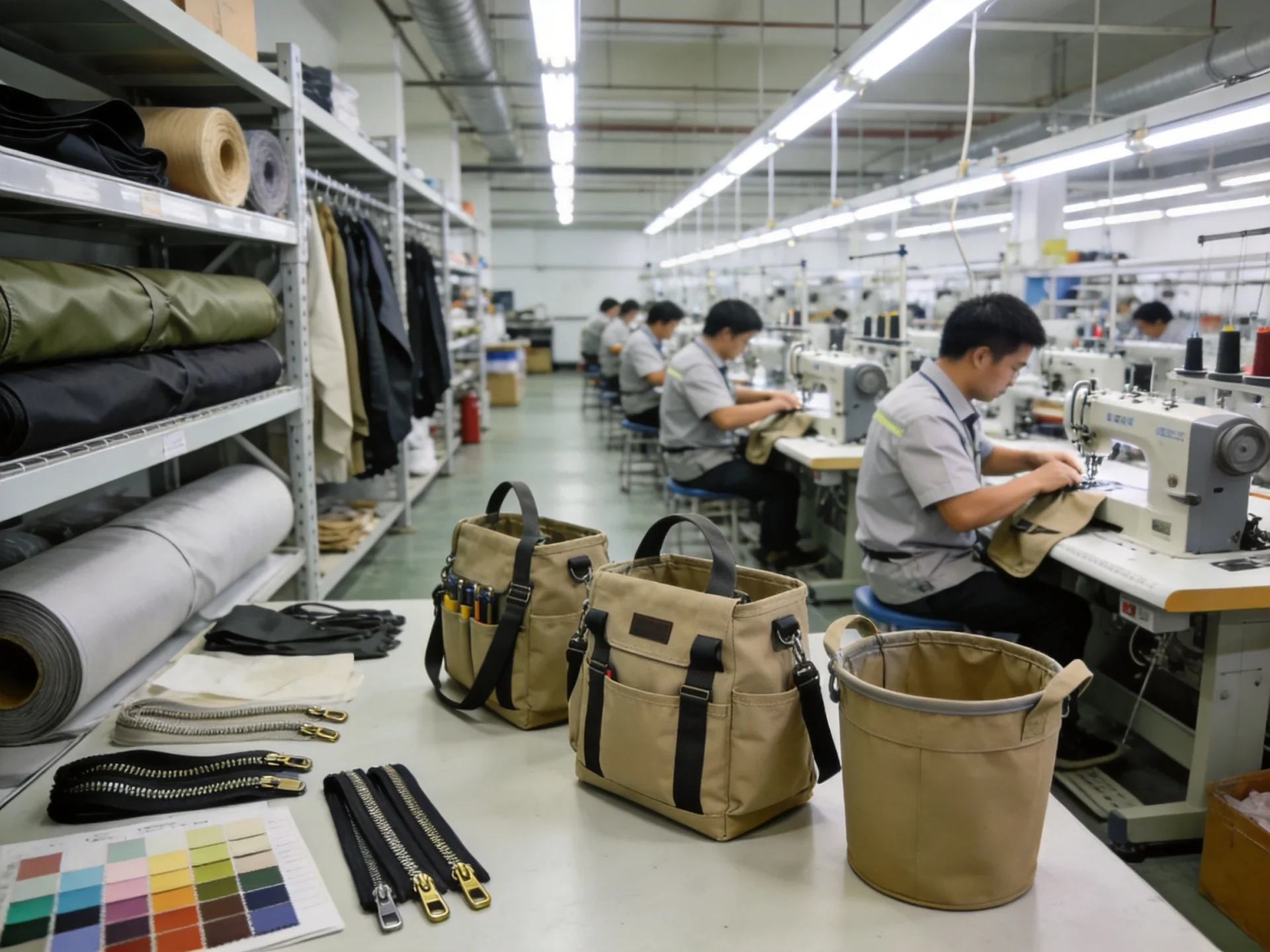
The US Customs Entry Process — Step by Step
Once your goods are on the water or in the air, this is the sequence that gets them released.
Step 1 — Appoint a US customs broker
For a first importer, a licensed customs broker is not optional — it is the smartest money you spend. The broker:
- Files the entry summary with CBP.
- Confirms your HS code and calculates the applicable duty.
- Tracks arrival, clearance, and release so your forwarder knows when cargo is free to move.
Choose a broker who handles textiles/travel goods routinely; the HS nuance (leather vs. textile vs. plastic subheadings) is exactly where experience pays.
Step 2 — Prepare the shipping documents
Your Chinese supplier (or their export house) provides the export set; you and your broker need:
- Commercial invoice — description, quantity, and unit value of each item.
- Packing list — carton count, dimensions, gross weight, and contents per carton.
- Bill of lading (sea) or airway bill (air) — carries the title and shipment reference.
- Any certificates required for your specific material (rare for ordinary bags, but checks on leather/tanned goods or specific treatments may apply).
Because we are a China-registered export house (Customs code 35059619KU), we issue the export documentation professionally on your behalf — but the import entry is filed in your name through your broker.
Step 3 — File the entry and pay duties
Once the shipment arrives, your broker files the entry with CBP, the duty and any applicable fees (such as the Merchandise Processing Fee) are assessed, and you pay before release. Speed here depends on completeness and accuracy of your data — a clean, honest entry clears much faster than one flagged for review.
Step 4 — Release and inland delivery
With the entry cleared and fees settled, CBP releases the cargo to your forwarder, who delivers it to your warehouse or 3PL. Add this last inland leg to your expected date — it is the part of the "20–35 day" ocean estimate that new importers often forget.

Lowering Your Risk — What First-Time Bag Importers Get Wrong
The mistakes below are the most common, and all of them are avoidable.
1. Avoiding under-declaration and deliberately low valuation — seriously
The single most damaging mistake for bag importers is under-valuing or mis-declaring goods to lower the duty. CBP actively audits declared values against manufacturer prices, production-class benchmarks, and prior entries. Consequences include:
- Seizure and abandonment of the shipment.
- Civil penalties (often tied to the loss of revenue) and, in serious cases, criminal exposure.
- Flagged importer status, which slows every future shipment.
Declare the actual transaction value of the goods. The short-term "savings" on duty is nowhere near the cost of a flag, a seizure, or a penalty.
2. Submitting inaccurate or incomplete documentation
Mismatched descriptions between the invoice and packing list, unclear item counts, or an HS code at the wrong material subheading all cause holds and corrections — each one burns time you were paying freight to save. Triple-check the commercial invoice against the packing list so the description, quantity, and value are consistent.
3. Not locking your HS code before the order ships
Your duty is decided by the code you declare. Do not discover the correct/subheading code after the goods are already on a vessel. Have your broker confirm the HS code at order confirmation, so cost models and margins are built on the right number.
4. Ignoring the "importer of record" responsibility
You — the US buyer — are the importer of record. You are responsible for accurate entry, true valuation, and recordkeeping, even though a Chinese manufacturer physically ships the goods. Understand that role before you place the order, and keep your own records for five years as required.
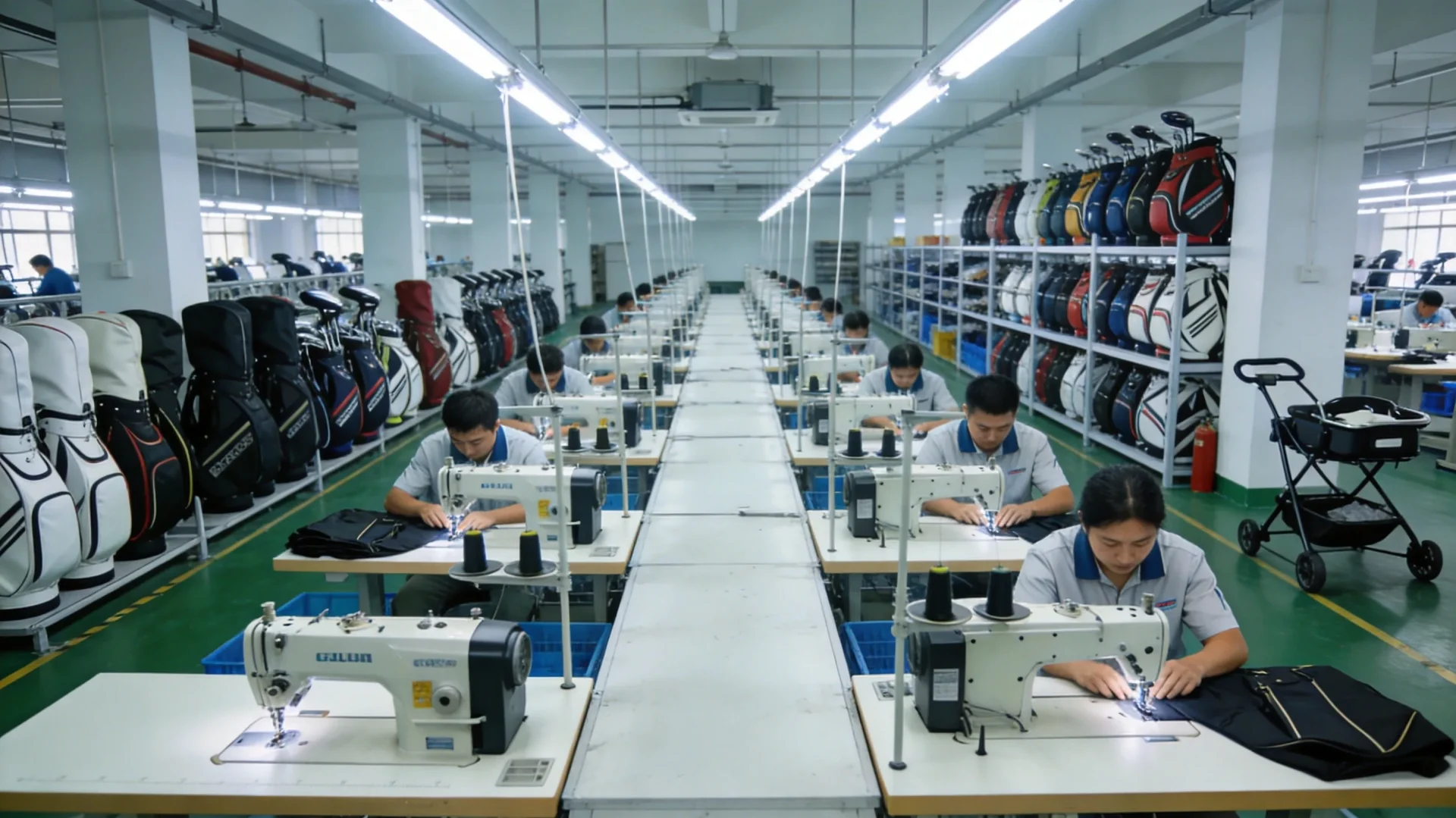
First-Time Importer’s Checklist (Bookmark This)
Before you ship your first container or air parcel of bags:
- Confirm the exact HS code (4202.x) for your specific bag with a licensed broker.
- Verify the current applicable duty rate against the latest US tariff schedule; note the date you confirmed it.
- Prepare the commercial invoice, packing list, and transport document with consistent item descriptions and true values.
- Appoint a customs broker experienced with textiles/travel goods and share your HS code with them.
- Decide your Incoterms so you know who books, who insures, and who clears.
- Budget for duty, MPF/fees, and broker charges in your landed-cost model — not just freight.
- Declare actual transaction value — no under-valuation, ever.
- Keep shipping and entry records for five years.
FAQ
Q: What is the minimum order quantity for a custom bag order from China?
A: Our standard MOQ is 500 pcs per style for bulk production. Sampling is available first, and the sample fee is fully refunded against your first bulk order — so you can validate a design before committing to import volume.
Q: What HS code do I use to import bags into the US?
A: Most travel bags, backpacks, golf bags, and similar travel goods fall under HS heading 4202 (subheadings such as 4202.92 / 4202.99, depending on the material). The exact subheading depends on your bag’s construction, so confirm with a licensed customs broker before your shipment departs.
Q: How much duty will I pay on bags imported from China to the US?
A: Duty rates for bag subheadings in Chapter 42 generally sit in a single-digit to low double-digit percentage range in the current US tariff schedule, applied to the dutiable value. The exact rate depends on your HS code and material, and can change — always confirm the current US tariff schedule rate with your broker at the time of shipment.
Q: Do I need a customs broker to import bags?
A: You are not strictly required to self-file, but for a first importer a licensed customs broker is strongly recommended — they confirm your HS code, calculate duty, and file the entry, which dramatically reduces the risk of holds, penalties, and delays.
Q: What documents do I need to clear US customs for a bag shipment?
A: At minimum, the commercial invoice, packing list, and the bill of lading or airway bill. Keep item descriptions, quantities, and values consistent across all documents. Any material-specific certificates are arranged through your broker if applicable.
Q: What happens if I under-declare the value of my bags?
A: Under-valuation is actively audited and can lead to seizure, civil penalties, and flagged importer status that slows every future shipment. Always declare the actual transaction value of the goods.
Q: How long does customs clearance take for bags at a US port?
A: With a clean, correctly declared entry filed by a broker using a confirmed HS code, release is usually quick once the cargo arrives and fees are settled. Delays typically come from misdeclared values, wrong subheadings, or incomplete documents — not from customs being slow on its own.
Q: Can I get customs help with a full high-quality bag wholesale program?
A: Yes. For a full OEM/ODM bag program, we help you understand documentation and land-cost expectations, while your licensed US broker handles the actual customs entry. See our high-quality bag wholesale factory OEM/ODM overview to see how a complete program is structured.
Next Step: Import with Confidence
The best way to de-risk an import is to get clean, complete data from the start — accurate specs, true values, and a confirmed HS code before your bags ever leave the factory. Share your program with us and we’ll help you line up the documentation, production timing, and landed-cost picture for your custom travel bag line or any other bag category.
Start at our quote-request page — send over your design, quantities, and target US arrival date, and we’ll come back with production timing, freight guidance, and the documentation you need for a first-time import that clears smoothly. Practical help, no hard sell.
— Written by Marvin Zhang, JUNYUAN Bags