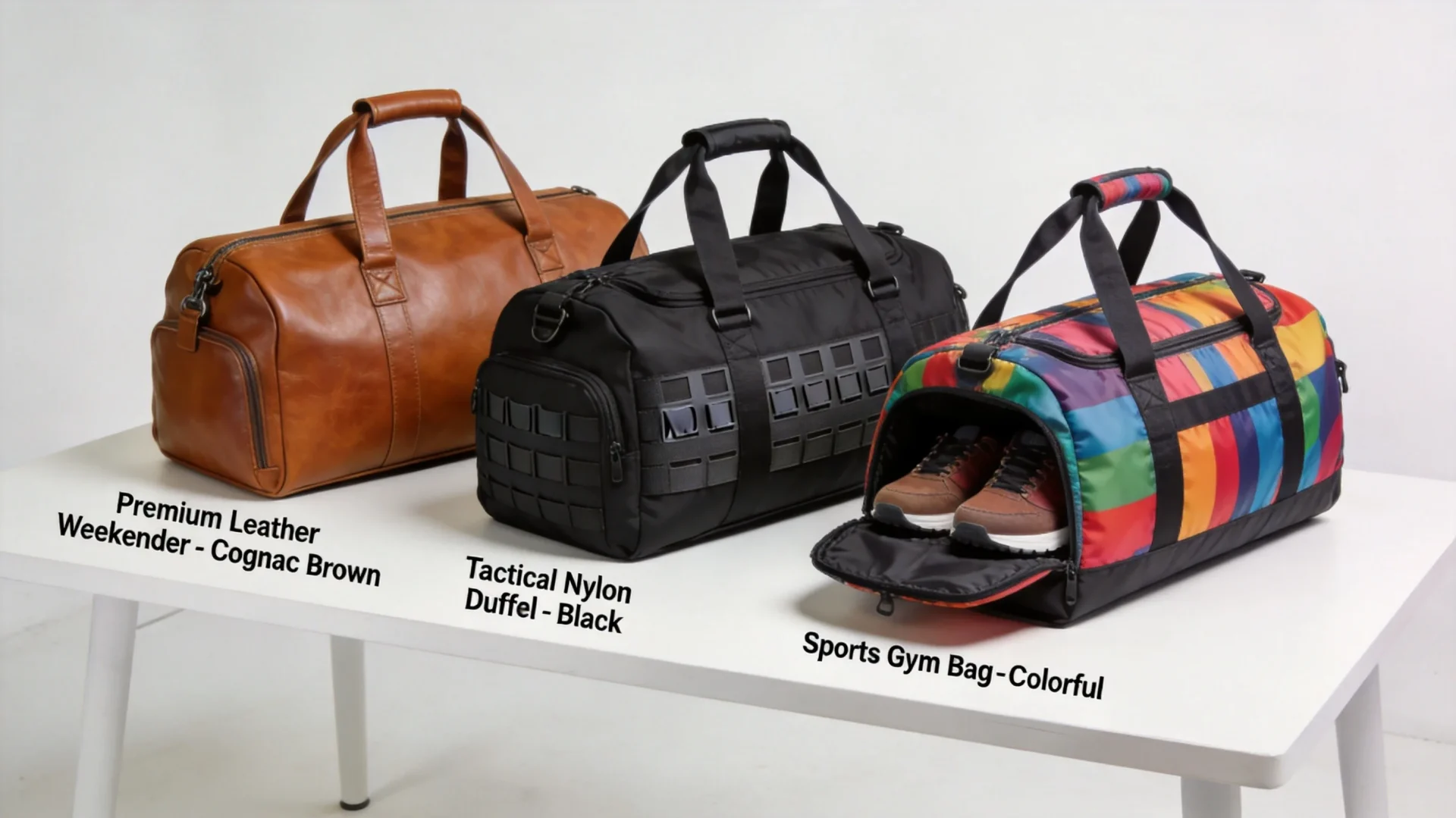
Why Yeti Bags Are So Expensive
Why Yeti bags cost so much – a factory-backed split of the weatherproof build, marine materials, heavy hardware and the brand premium, with honest budget alternatives that match the spec.

Why Yeti bags cost so much – a factory-backed split of the weatherproof build, marine materials, heavy hardware and the brand premium, with honest budget alternatives that match the spec.
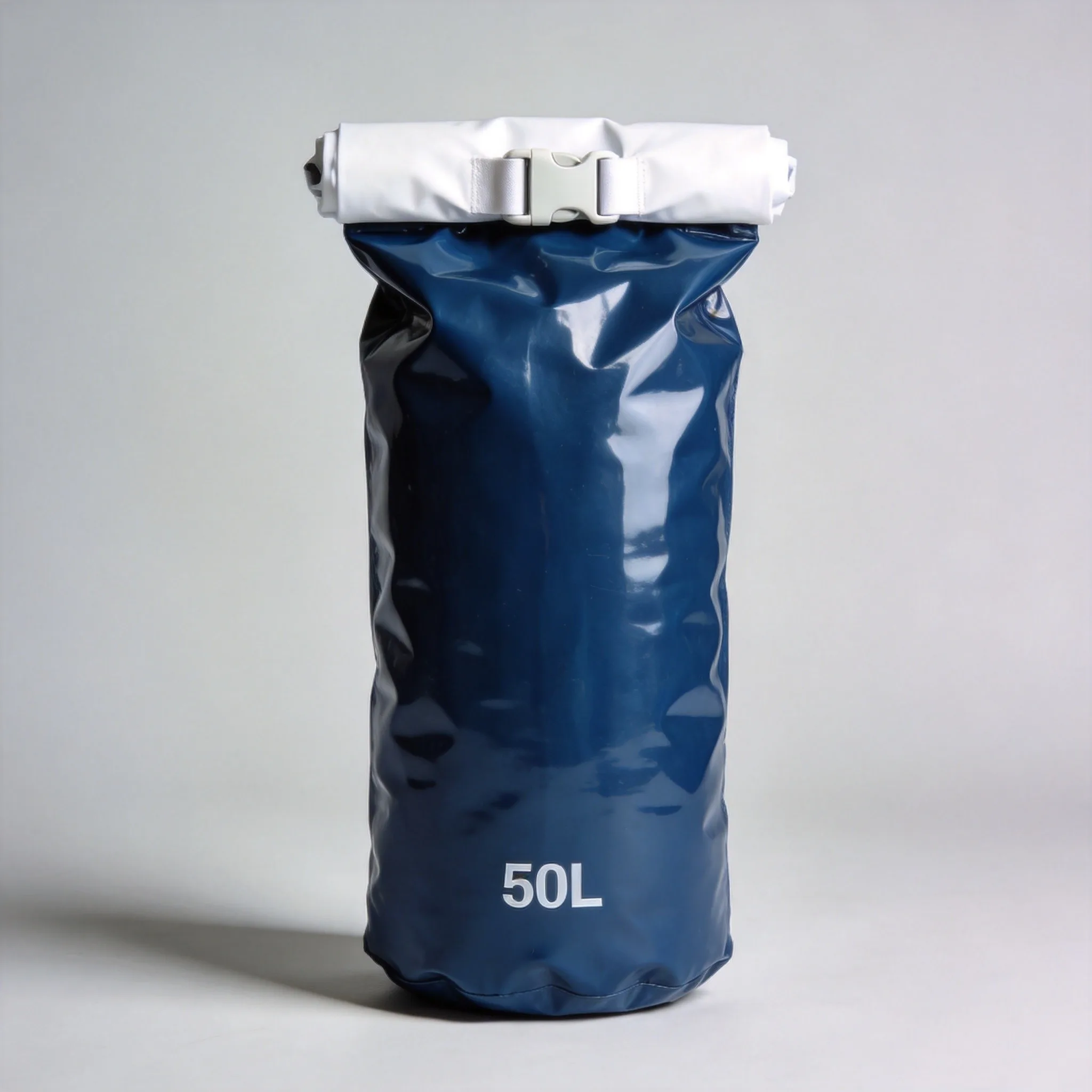
Custom Dry Bag Manufacturer | Roll-Top & Waterproof Dry Bags OEM for Kayaking, Boating & Outdoor A custom waterproof bag is a … Read more
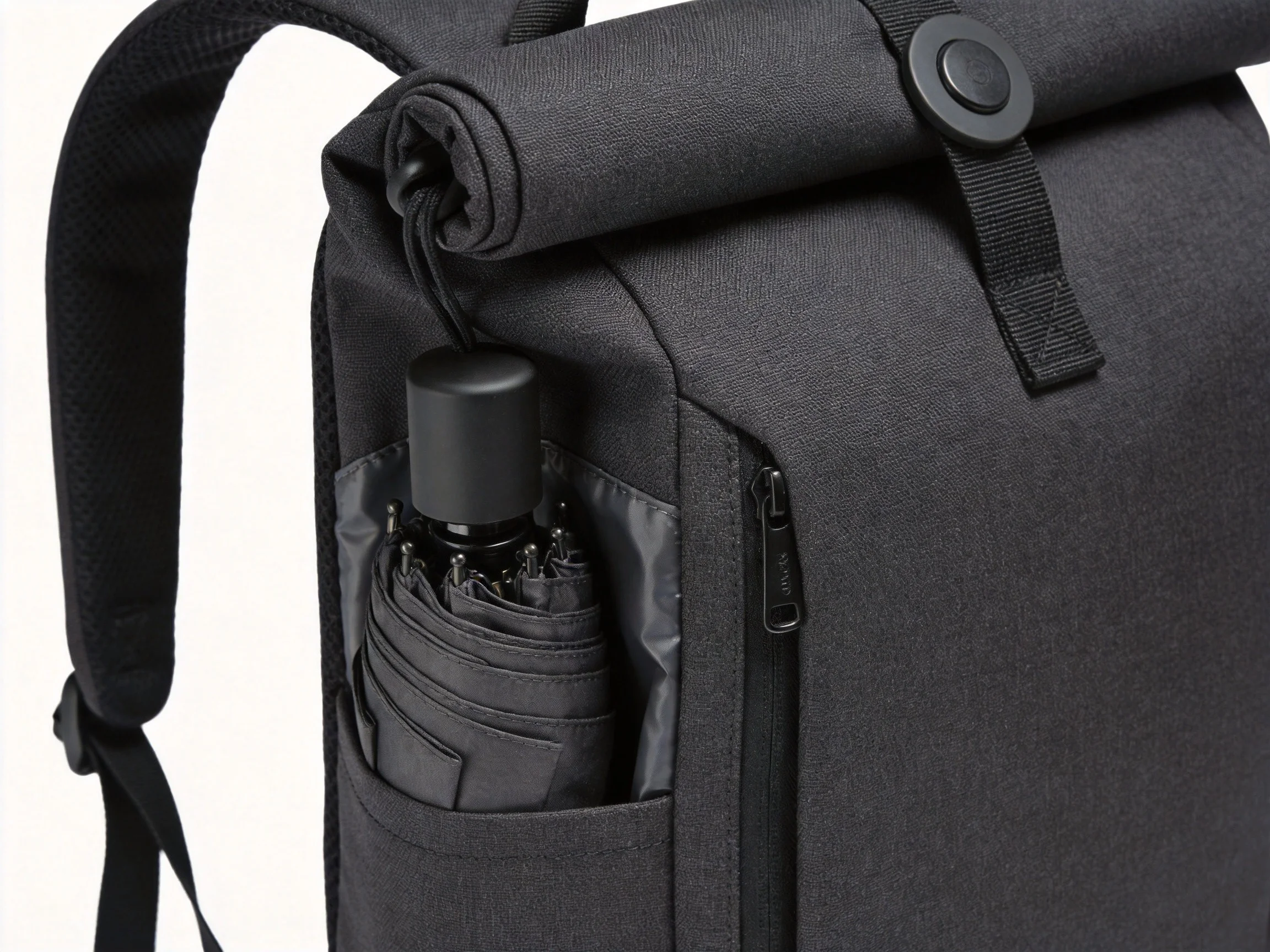
Custom Backpack with Umbrella: Wet-Umbrella Pockets & Integrated Rain Protection Executive summary. A backpack with umbrella features falls into three designs: a … Read more
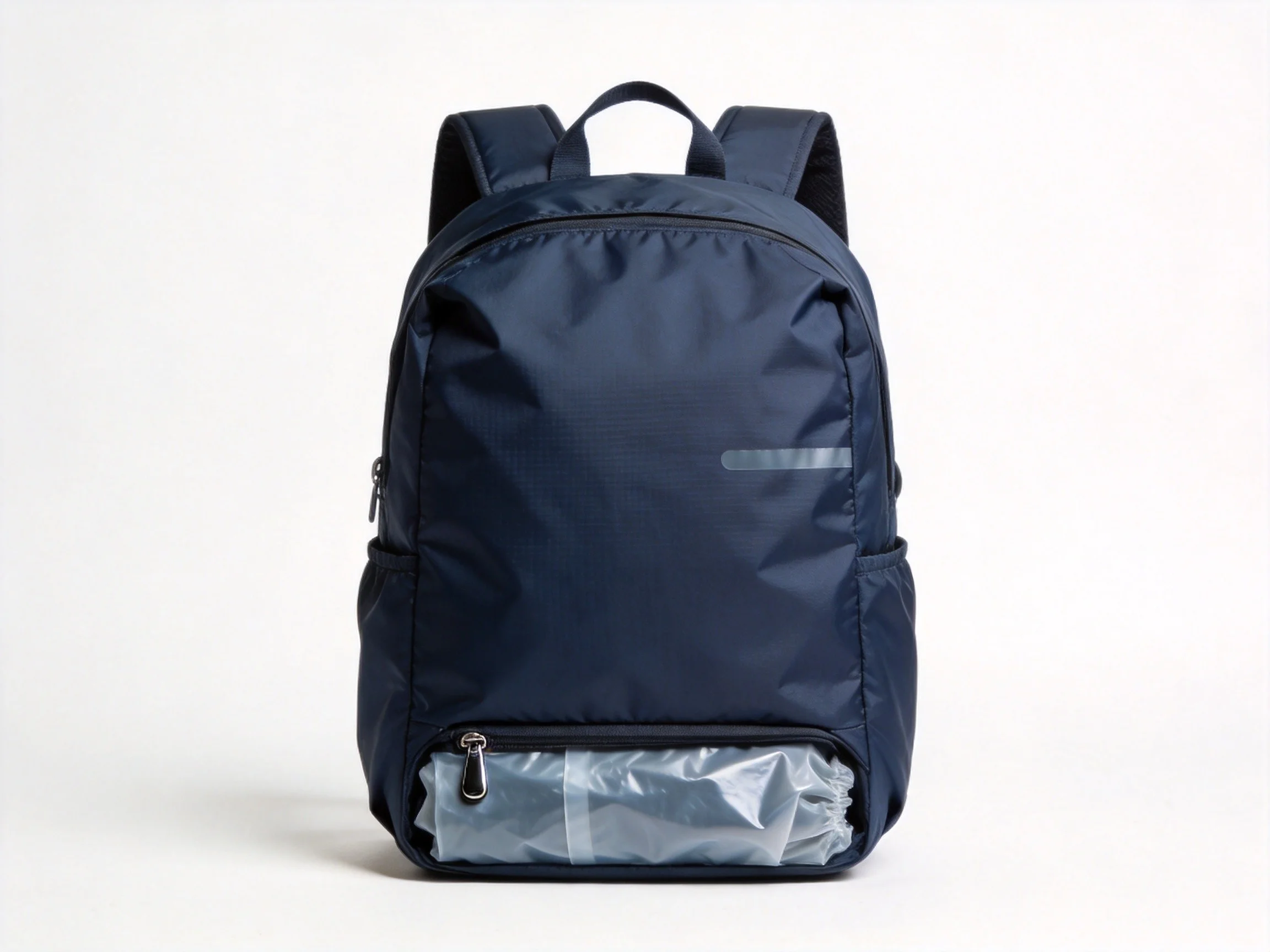
Custom Backpack with Raincoat: Integrated Rain Protection for Commuters, Riders & Students Executive summary. A backpack with a built-in raincoat deploys from … Read more
Gymshark vs Nike duffel bags compared from a factory bench – how the build, materials, hardware and finish actually differ, and which purchase is worth your money with honest budget alternatives.
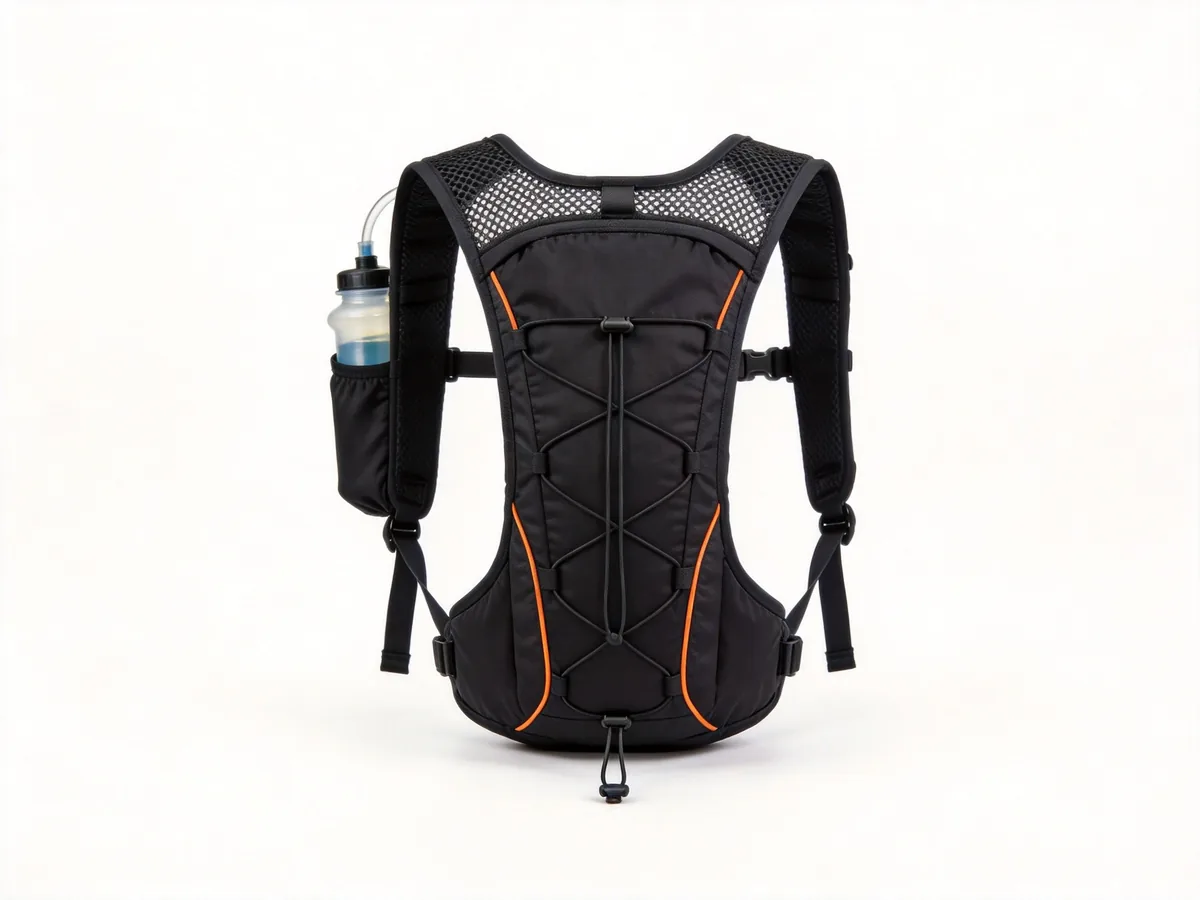
Custom Running Bag Manufacturer | OEM/ODM Running Bag & Sports Bag Supplier A custom running bag is a lightweight sports carrier — … Read more

Why Lululemon bags are so expensive – a factory-backed cost ledger showing how much of the premium is real performance fabric, function and finish versus the label, with honest budget alternatives that match.
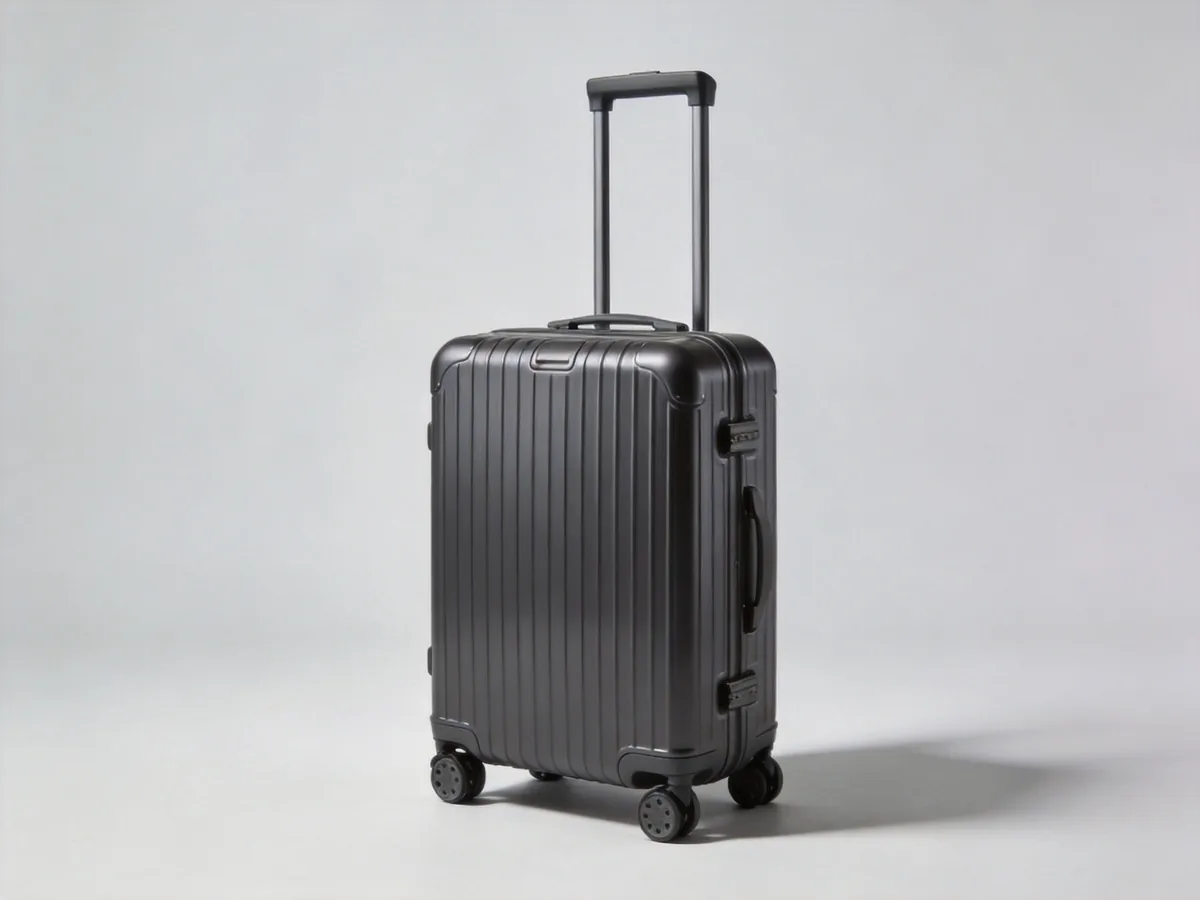
Custom Trolley Bag Manufacturer | OEM/ODM Trolley Bag & Trolley Backpack Factory A custom trolley bag is a wheeled travel case or … Read more
Why Peak Design camera bags are so expensive – a factory-backed cost ledger showing how much of the premium is real protection and how much is the name, with budget alternatives that match.
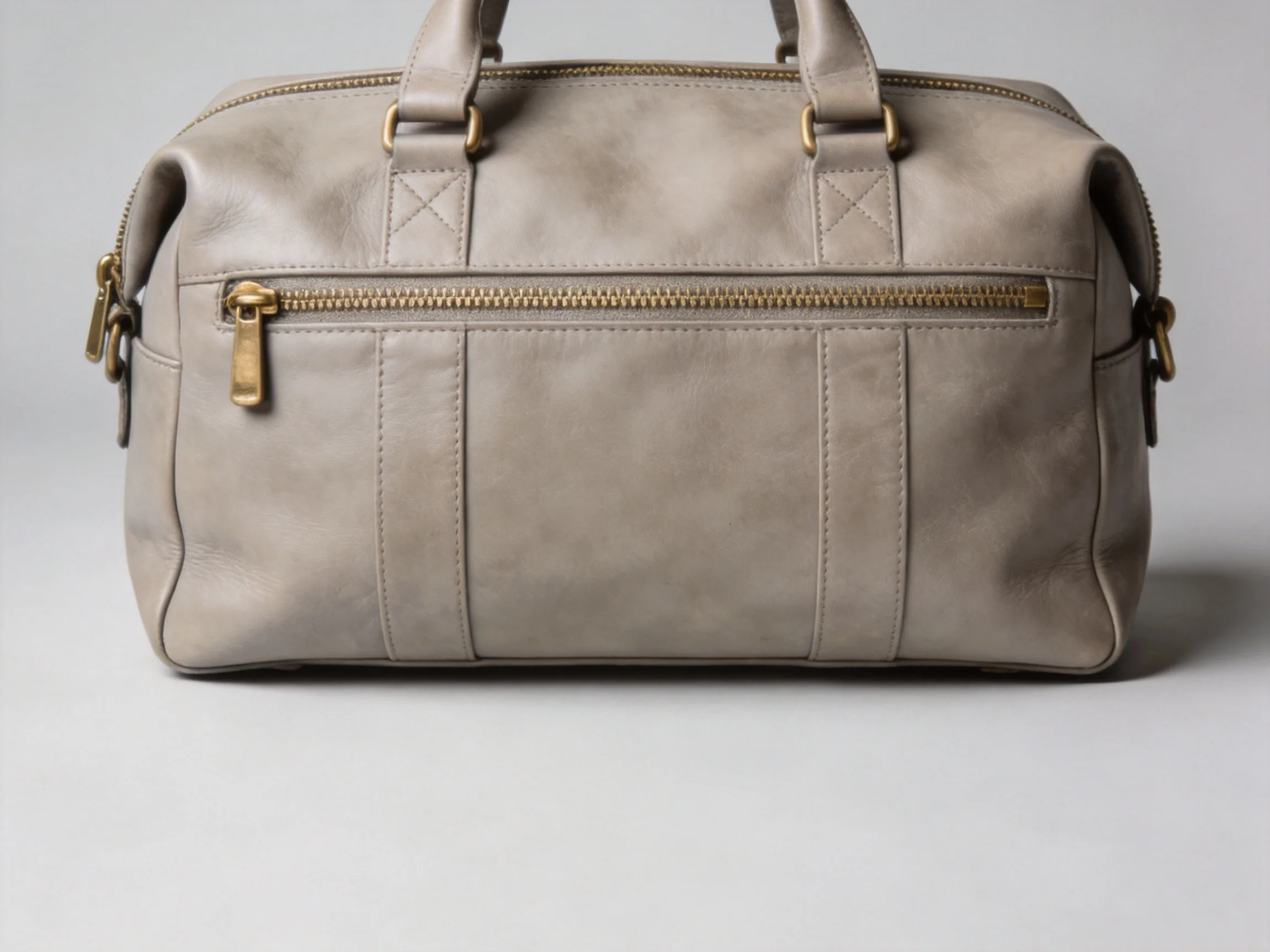
Custom Weekender Bag Manufacturer | OEM/ODM Weekender Bag Factory A custom weekender bag is a carry-on-sized duffel or travel holdall — canvas, … Read more