Looking for backpacks like Herschel for custom production? The best heritage-style alternatives — Fjällräven Kånken, Eastpak, JanSport, Filson, and Topo Designs — share the clean, durable canvas aesthetic Herschel is known for. For OEM buyers the key specs are cotton-canvas or nylon fabric, a padded laptop sleeve, and minimal branding; most can be built at MOQs from around 500 pieces per style per color.
Looking for backpacks like Herschel? Whether you’re a retailer sourcing alternative designs, a brand owner developing your own heritage-style collection, or a buyer comparing options before committing to a custom manufacturing order, this guide delivers what you need. We’ve analyzed 10 top Herschel alternatives across style, materials, price points, and — most importantly — manufacturing potential for businesses ready to create their own versions.
Herschel Supply Co. has defined the modern heritage backpack aesthetic since 2009. Their signature blend of vintage mountaineering inspiration and contemporary simplicity has created a market segment worth billions. But Herschel isn’t the only player, and more importantly, you don’t need to be Herschel to compete in this space. With the right manufacturing partner, brands of any size can produce backpacks that rival — or even surpass — what Herschel, Topo Designs, and Fjällräven offer.
This guide breaks down 10 brands making backpacks similar to Herschel, analyzes what makes their designs work, and shows you how to leverage these insights for your own custom backpack line. Let’s dive in.
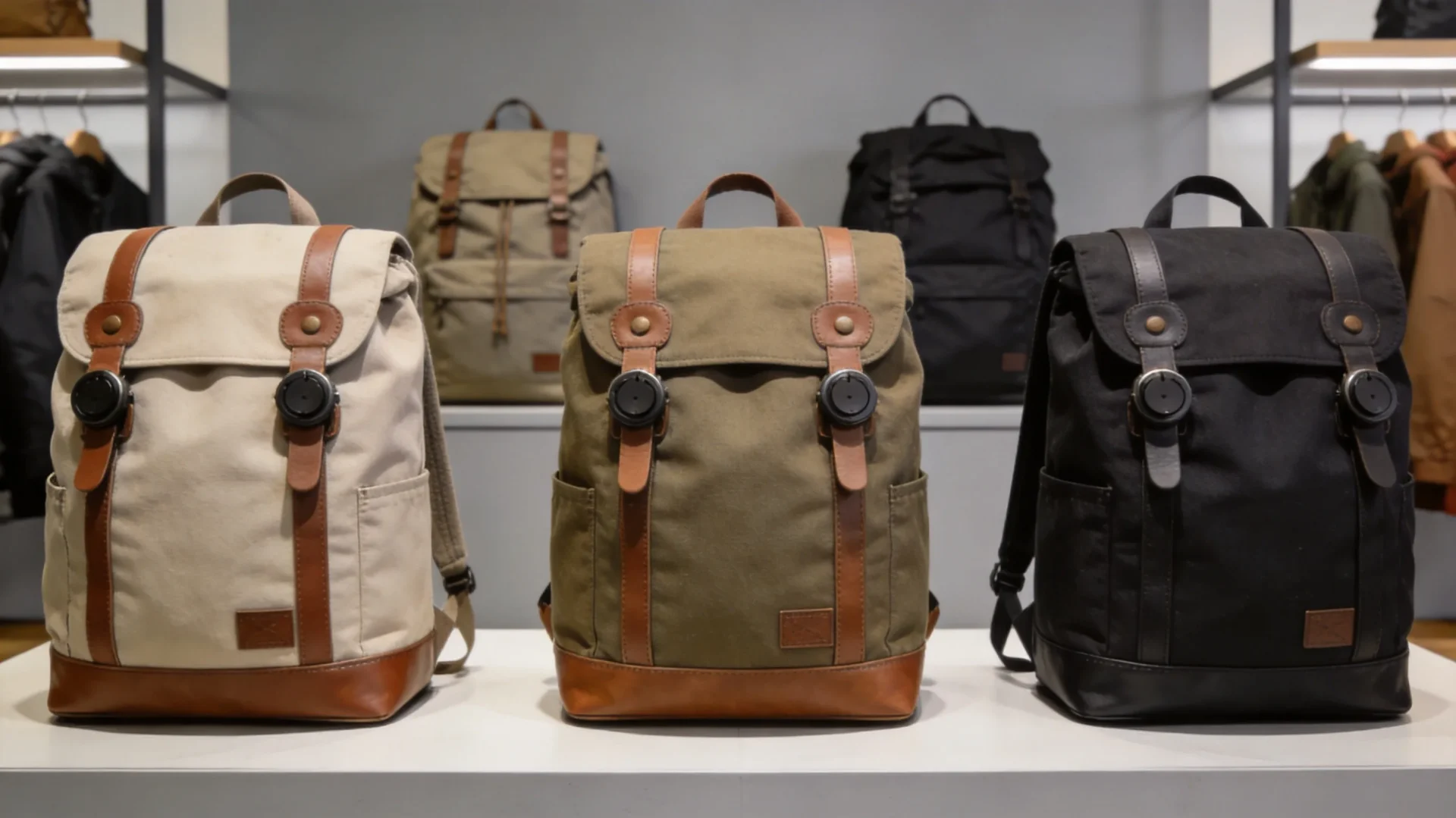
Top 10 Herschel Alternatives: Complete Brand Comparison (2026)
We evaluated each brand across five dimensions that matter most to both consumers and businesses: design DNA, material quality, price positioning, target market, and custom manufacturing feasibility. The last point is what separates this analysis from typical consumer reviews — we’re looking at these brands through the lens of what’s reproducible and improvable through custom OEM/ODM manufacturing.
| Brand | Signature Style | Key Material | Price Range | Best For |
|---|---|---|---|---|
| Topo Designs | Rugged heritage | 1000D Cordura nylon | $89–$169 | Outdoor-commute hybrid |
| United By Blue | Eco-conscious vintage | Waxed canvas + recycled poly | $78–$128 | Sustainability-focused buyers |
| JanSport | Classic American | 600D recycled polyester | $35–$75 | Students, everyday carry |
| Burton | Snow sport heritage | Water-resistant polyester | $70–$130 | Action sports lifestyle |
| Fjällräven | Swedish minimalism | G-1000 HeavyDuty Eco | $80–$150 | Premium outdoor lifestyle |
| Patagonia | Eco-premium | Recycled nylon/polyester | $79–$149 | Environmentally conscious |
| Duluth Trading | Workwear utility | Canvas + leather accents | $50–$90 | Blue-collar professionals |
| KAVU | Colorful adventure | Polyester/canvas blend | $45–$85 | Festival/casual outdoor |
| Vaschy | Budget heritage dupe | Polyester + faux leather | $25–$55 | Price-sensitive buyers |
| Cotopaxi | Remnant patchwork | Repurposed fabric scraps | $75–$135 | Unique eco-statement |
Each of these brands has carved out a niche in the Herschel-adjacent market. Let’s examine what makes each one work — and what you can learn from them for your own product development.
1. Topo Designs: The Rugged Heritage Benchmark
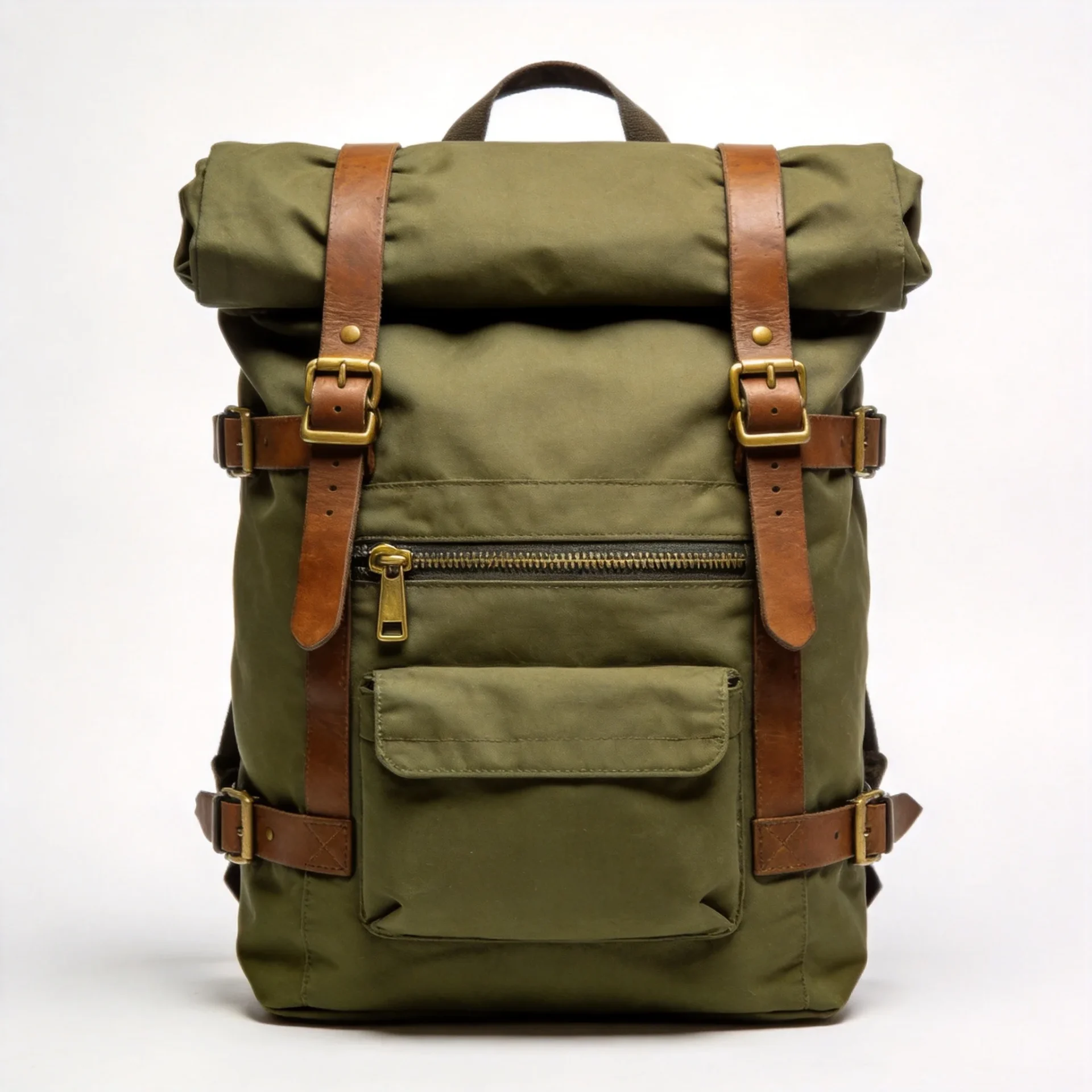
Why Topo Designs Works as a Herschel Alternative
Topo Designs has built its reputation on merging outdoor functionality with heritage aesthetics. Their Rover Pack Classic is arguably the closest direct competitor to the Herschel Little America — both feature the roll-top silhouette with flap closure and leather strap details. But Topo Designs differentiates through material superiority.
While Herschel typically uses standard 600D polyester, Topo Designs specs 1000D Cordura nylon in high-wear areas. This single material choice extends product lifespan by an estimated 40-60%, justifying their premium pricing. Their packs also feature YKK zippers exclusively and welded seam construction in critical water-entry points.
Manufacturing Takeaway: If you’re developing a heritage-style backpack line, Topo Designs proves that material upgrades are the most effective differentiation strategy. A Cordura-reinforced heritage pack can command $30-50 more at retail than standard polyester equivalents, while adding only $3-5 to your manufacturing cost.
2. United By Blue: Sustainability as Premium Positioning
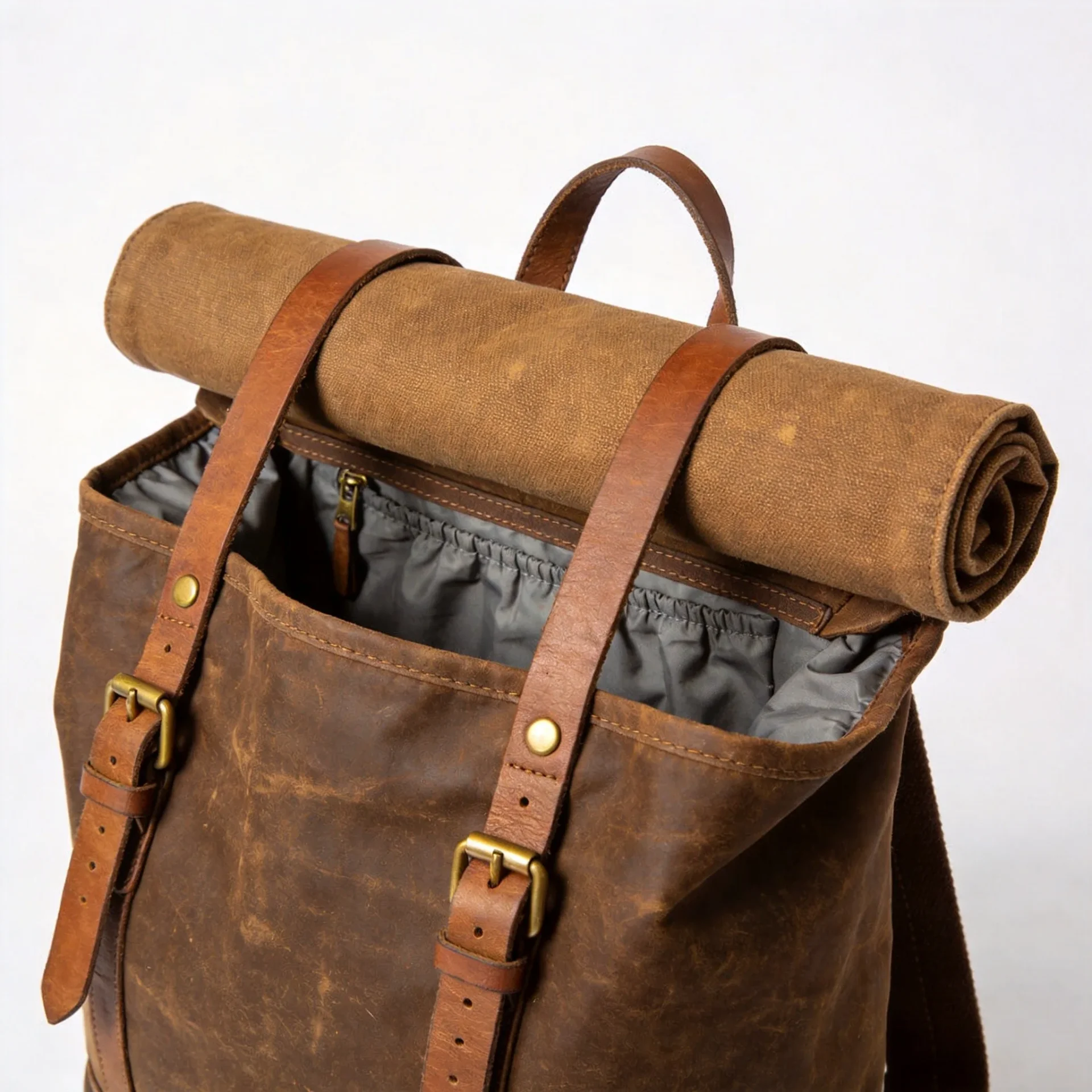
Eco-Conscious Design That Commands Premium Prices
United By Blue has built an entire brand narrative around ocean conservation — for every product sold, they remove one pound of trash from oceans and waterways. Their Transit Pack combines waxed canvas (developing natural patina over time) with recycled polyester linings, creating a product that’s both vintage-inspired and environmentally responsible.
The business lesson here is powerful: sustainability storytelling adds perceived value that far exceeds the actual cost premium. Waxed canvas costs roughly 15-25% more than standard polyester, but United By Blue’s pricing reflects a 40-60% premium over comparable non-eco alternatives. Consumers aren’t just buying a backpack; they’re buying into a narrative.
Manufacturing Takeaway: Offering recycled PET (rPET) fabrics, organic cotton blends, or vegetable-tanned leather options in your product catalog can unlock entire market segments willing to pay 30-50% premiums. As a custom manufacturer, being able to source and certify sustainable materials is a competitive moat.
3. JanSport: The Volume King
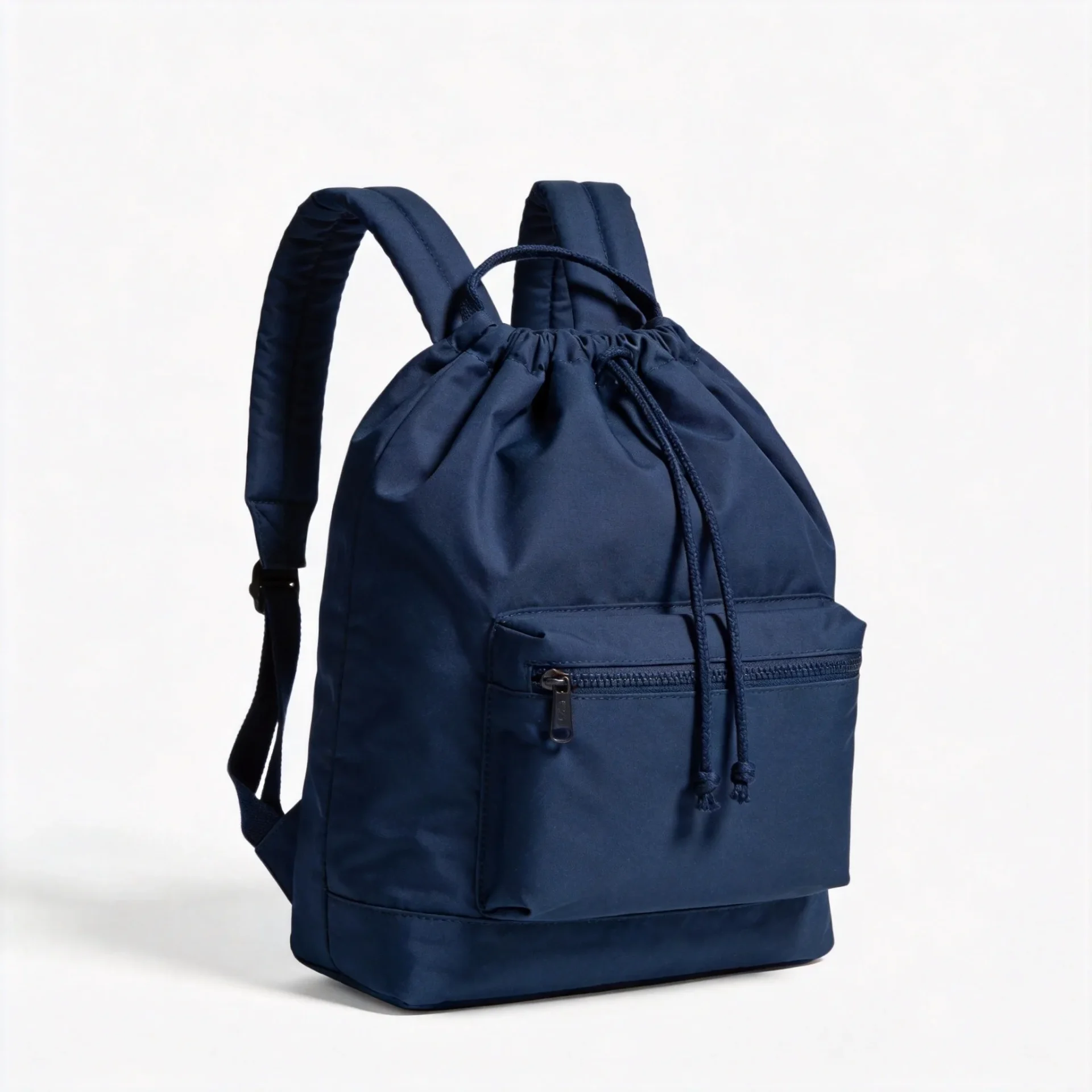
How JanSport Competes on Volume, Not Margin
JanSport doesn’t try to out-design Herschel. Instead, they dominate through ubiquity, lifetime warranties, and aggressive pricing. The Superbreak at $35-45 and the Big Student at $55-65 represent the “good enough” sweet spot for millions of students. Their 600D recycled polyester shell is durable enough for daily abuse, and the lifetime warranty eliminates purchase anxiety.
For businesses, JanSport’s model demonstrates that heritage-style backpacks don’t need to be premium to be profitable. High-volume, lower-margin production with standardized components (simple drawstring closures, basic padding, minimal organizational pockets) creates massive revenue potential.
Manufacturing Takeaway: If your target market is educational institutions, promotional product companies, or mass-market retailers, the JanSport playbook applies: simplified construction, durable materials, and competitive pricing. A basic heritage-style pack can be manufactured for $4-8 FOB depending on specifications, enabling retail prices of $25-45 with healthy margins across the distribution chain.
4. Burton: Sport Heritage Meets Lifestyle
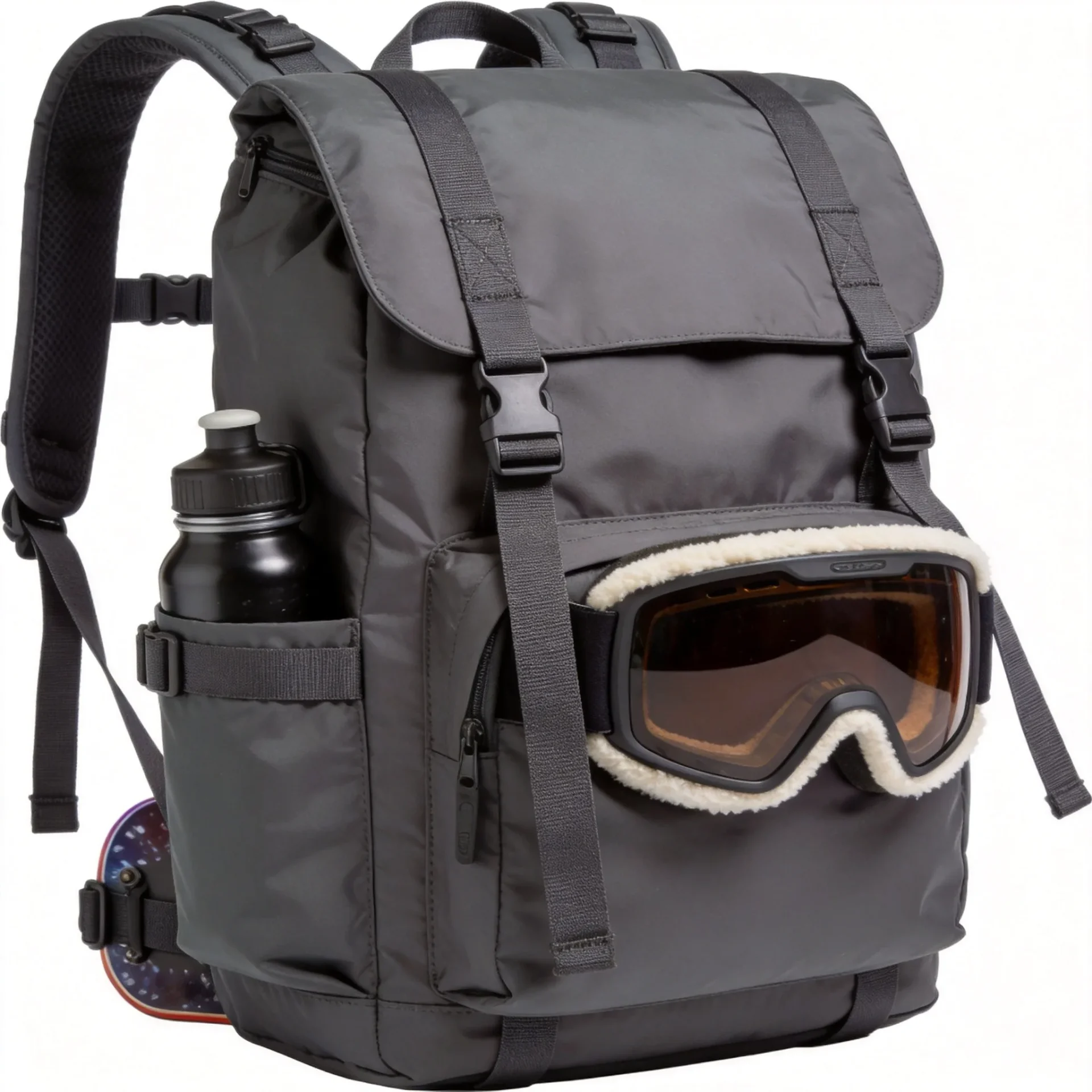
Crossover Appeal: From Mountain to Campus
Burton’s backpack line leverages three decades of snowboard credibility to sell lifestyle packs. The Tinder Backpack and Heritage Pack feature the same silhouette cues as Herschel — clean lines, subtle branding, muted colorways — but with technical additions like insulated drink pockets, fleece-lined goggle compartments, and board-carry straps that Herschel doesn’t offer.
This is a smart market positioning strategy: take the proven Herschel aesthetic and add category-specific functionality that Herschel ignores. Burton owns the “outdoor sports person who also needs a daily bag” segment.
Manufacturing Takeaway: Niche-specific feature additions are the fastest path to differentiation. Adding a padded laptop sleeve, integrating a shoe compartment, or including sport-specific attachment points can transform a generic heritage pack into a purpose-built product that commands loyalty and repeat purchases. As an OEM/ODM partner, we help brands identify these feature opportunities based on their target demographic.
5. Fjällräven: Swedish Minimalism at Premium Price
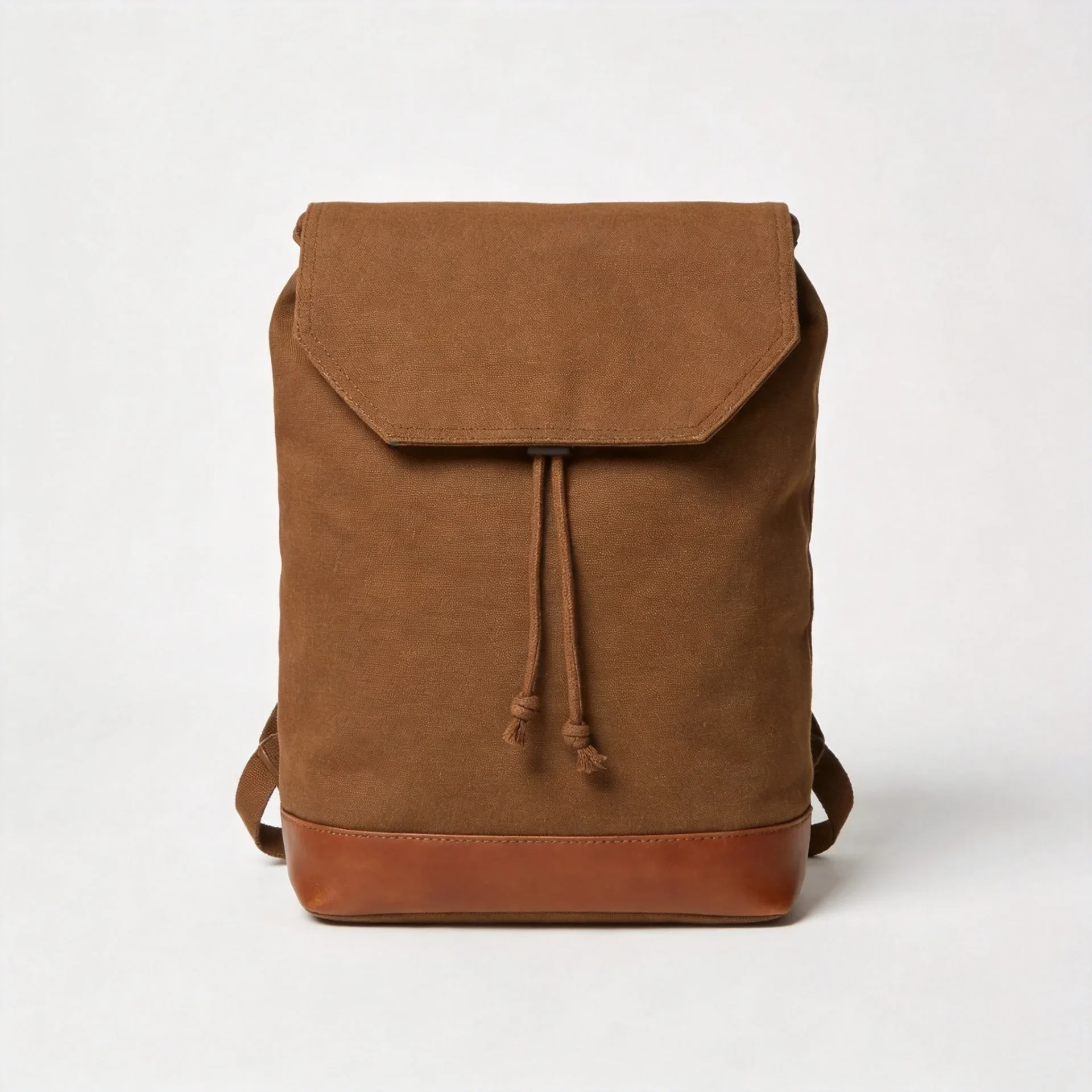
The G-1000 Fabric Advantage
Fjällräven’s Kånken is iconic, but their Raven 28 is the true Herschel competitor. Built with proprietary G-1000 HeavyDuty Eco fabric (a recycled polyester and organic cotton blend), these bags offer something Herschel can’t: upgradeable water resistance. Users can apply Greenland Wax to increase water repellency, creating a maintenance ritual that deepens brand loyalty.
The Fjällräven model proves that proprietary materials create brand defensible moats. G-1000 fabric is exclusive to Fjällräven, meaning no competitor can exactly replicate the product. This material exclusivity supports premium pricing ($80-150) and generates repeat revenue through wax refills.
Manufacturing Takeaway: Developing exclusive fabric treatments or proprietary material blends gives your brand something competitors can’t copy. Whether it’s a custom DWR coating, a signature wax treatment, or a proprietary fabric blend, material innovation is the most underutilized competitive strategy in the backpack industry.
6. Patagonia: Eco-Premium Done Right
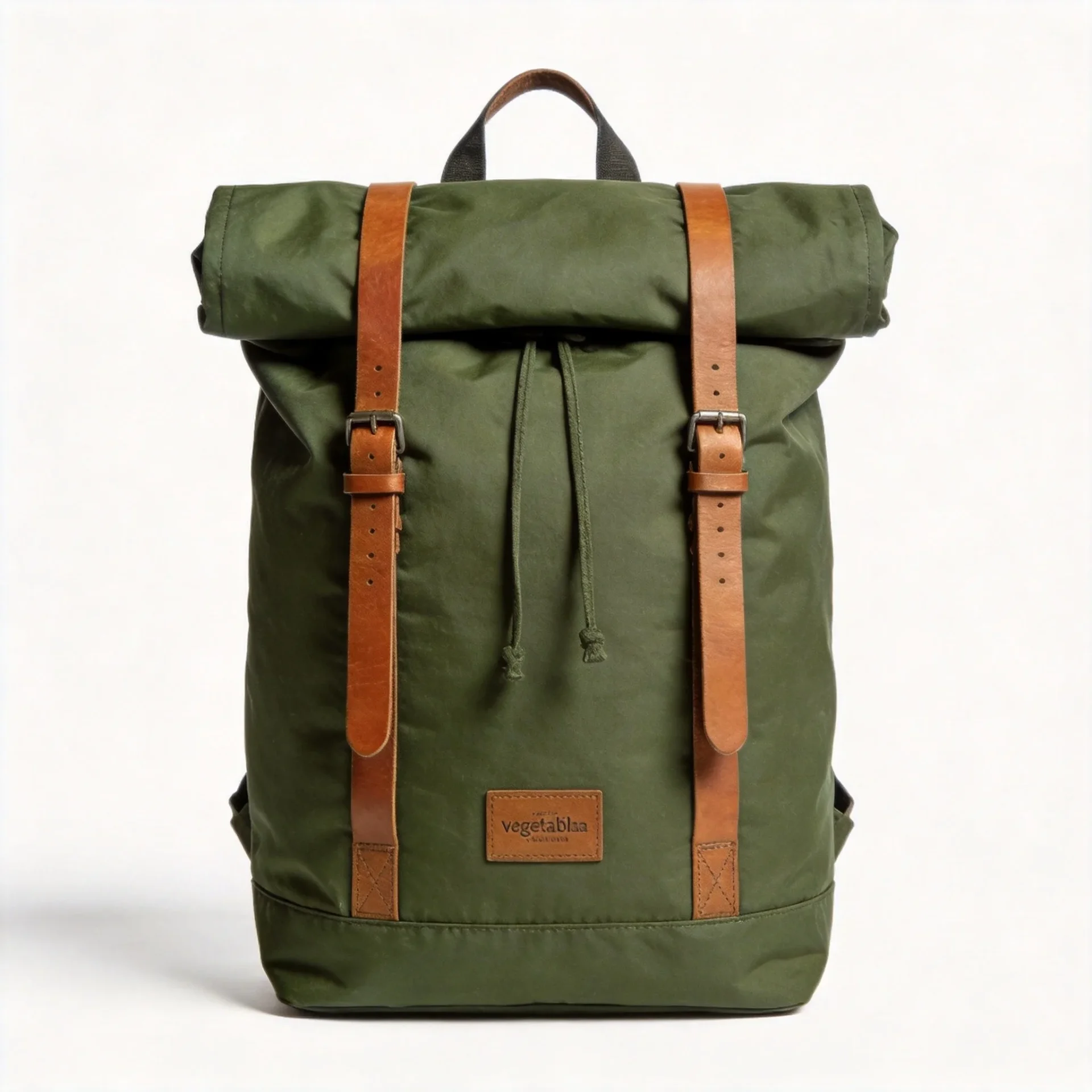
Sustainability as Core Business Strategy
Patagonia’s Arbor Classic Pack delivers the same clean, heritage-inspired aesthetic as Herschel but with an environmental credibility that no marketing budget can buy. Their use of 100% recycled nylon (from fishing nets and fabric waste) and recycled polyester (from plastic bottles) isn’t a marketing gimmick — it’s central to their brand identity and supported by their Worn Wear repair program.
The business insight: Patagonia charges $79-149 for bags that cost roughly $15-25 to manufacture, sustained entirely by brand trust and environmental authenticity. Their “Don’t Buy This Jacket” anti-consumerism marketing paradoxically increases sales because it builds trust.
Manufacturing Takeaway: Brands pursuing sustainability positioning need manufacturing partners who can verify and certify material claims. Recycled content certificates, GRS (Global Recycled Standard) certification, and supply chain transparency aren’t optional — they’re table stakes. Our factory maintains GRS certification and can provide full material traceability documentation.
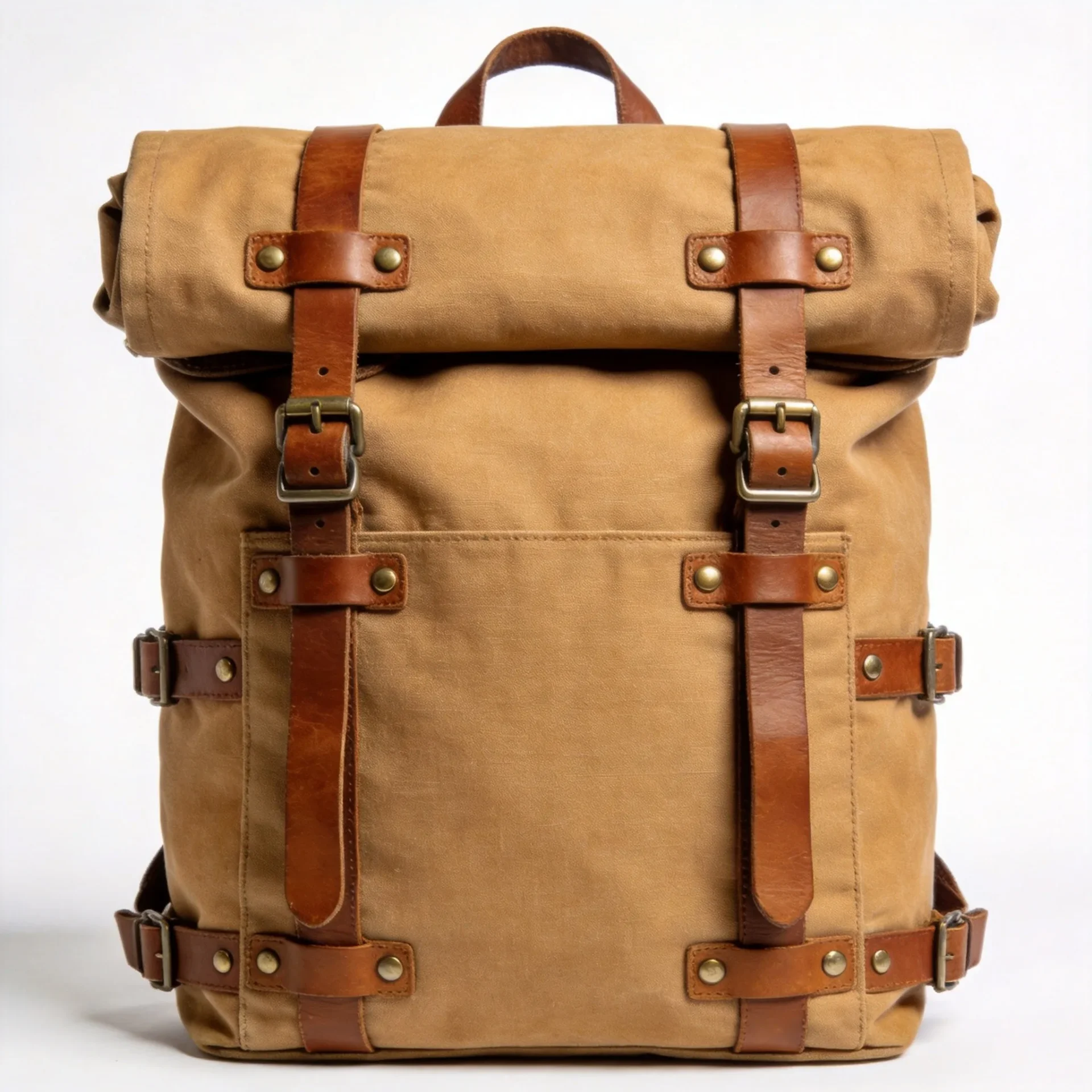
7. Duluth Trading: Workwear Heritage for the Everyday Professional
Blue-Collar Appeal Without the Blue-Collar Price
Duluth Trading’s Roll-Up Scout Pack targets a demographic most backpack brands ignore: skilled tradespeople and blue-collar professionals who want style without looking like they’re heading to college. Canvas construction, leather-reinforced stress points, and tool-friendly organization make this pack functional on a job site while still looking appropriate at a brewery.
The Roll-Up Scout at $50-90 occupies the “affordable quality” space between JanSport’s budget offerings and Fjällräven’s premium pricing. Duluth proves there’s massive demand from working professionals who will pay for durability and thoughtful design but won’t pay luxury prices.
Manufacturing Takeaway: The “workwear aesthetic” segment is underserved and growing. Heavy canvas (12-18oz), reinforced stitching at stress points (bartack at all anchor points), and hardware that can handle daily abrasion (metal D-rings instead of plastic) define this category. Manufacturing costs remain moderate ($8-15 FOB) while perceived value supports $60-100 retail pricing.
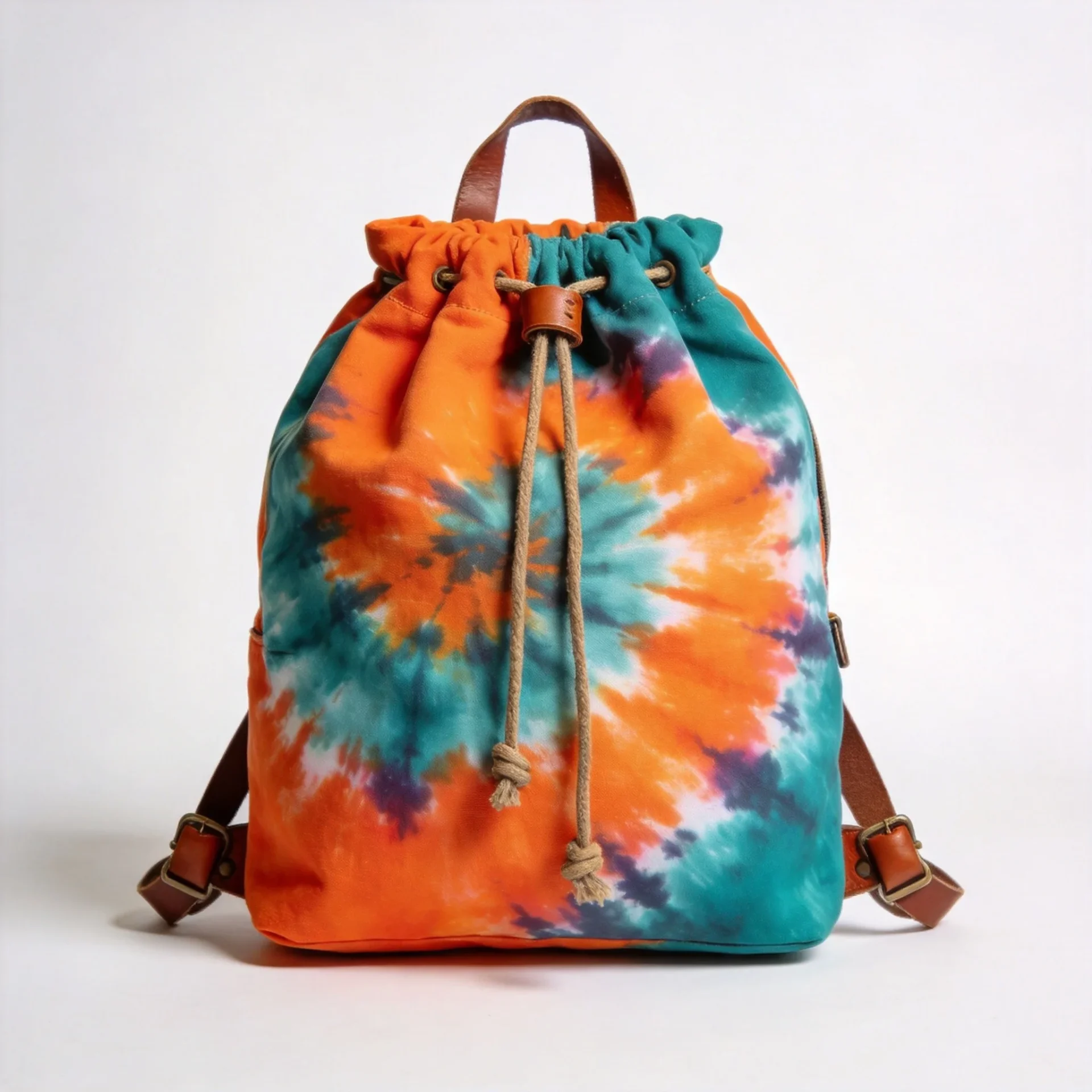
8. KAVU: Color-Forward Adventure Packs
Differentiation Through Color and Print
KAVU’s Camp Sherman and Rope Sling packs prove that sometimes the simplest path to differentiation is bold visual identity. While Herschel plays it safe with muted, heritage-appropriate colorways, KAVU goes all-in on vibrant prints, tie-dye patterns, and eye-catching color combinations. Their target customer wants to be noticed, not to blend in.
This strategy works because print customization is one of the lowest-cost differentiation methods in backpack manufacturing. A custom print fabric adds $0.50-1.50 per yard to material costs but can support $15-30 in premium pricing when executed well.
Manufacturing Takeaway: Custom prints and colorways are the fastest, cheapest way to create SKU variety and brand differentiation. Modern digital printing on polyester and canvas allows short-run custom prints (as low as 100 yards) with no minimum setup costs. If your brand needs quick market differentiation, start with exclusive prints before investing in structural design changes.
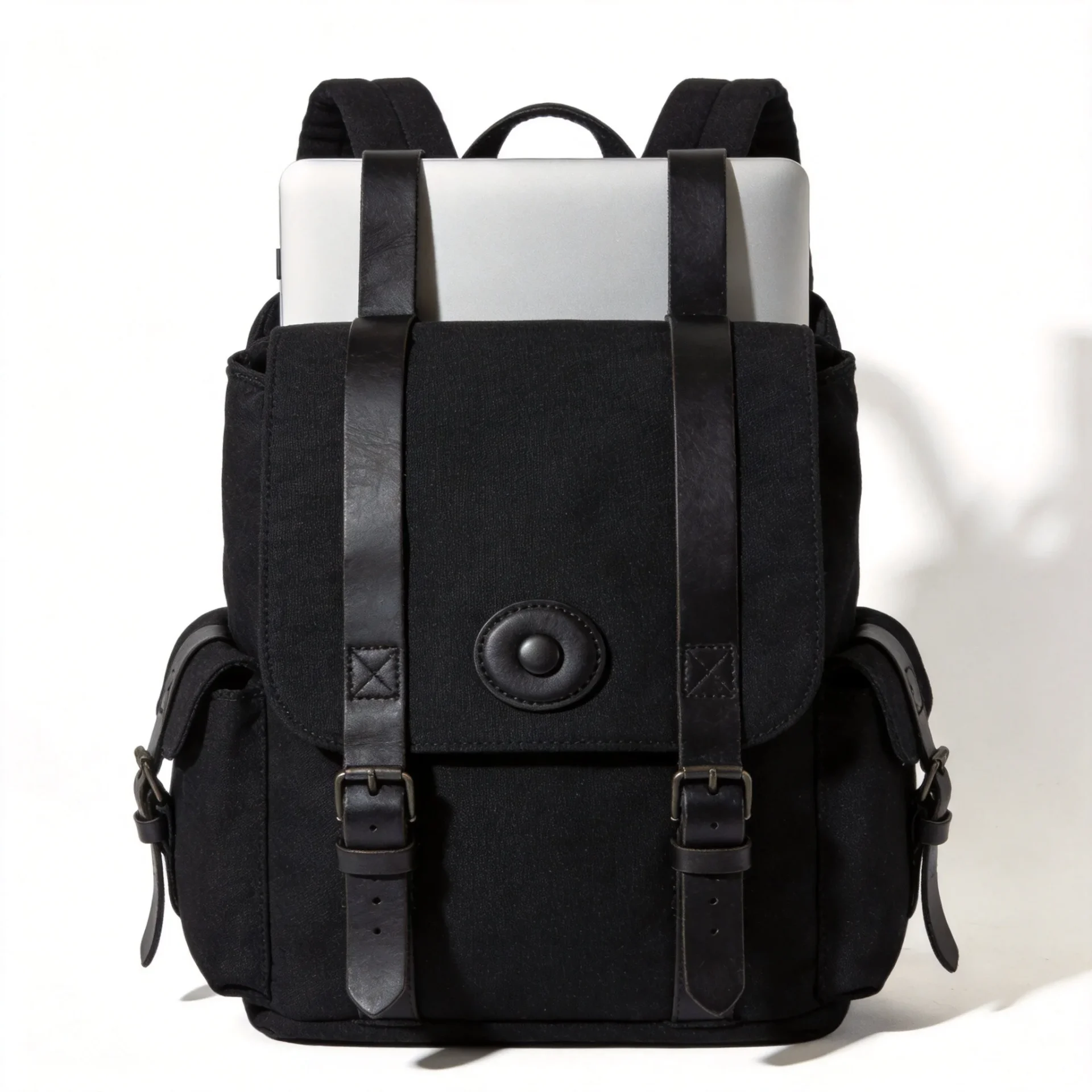
9. Vaschy: The Budget Dupe That Proves the Model
How Vaschy Captures the Herschel Look at 40% of the Price
Vaschy is the brand that most directly proves heritage-style backpacks can be manufactured and sold profitably at budget prices. Their Day Pack and Classic Backpack closely mirror Herschel’s Little America and Heritage silhouettes — magnetic snap closures, faux leather straps, similar proportions — at $25-55, compared to Herschel’s $60-120.
How? Strategic cost reduction: polyester instead of canvas, faux leather instead of genuine leather, simplified internal organization (fewer pockets, lighter padding), and high-volume manufacturing in the same Fujian/Guangdong factories that produce for premium brands. The result is a product that looks 80% as good at 40% of the price.
Manufacturing Takeaway: Vaschy’s success demonstrates that the Herschel aesthetic is manufacturing-agnostic — it can be produced at any price point by adjusting material quality and feature density. This is excellent news for brands entering the market: you can test the heritage-style category with budget manufacturing before committing to premium materials.
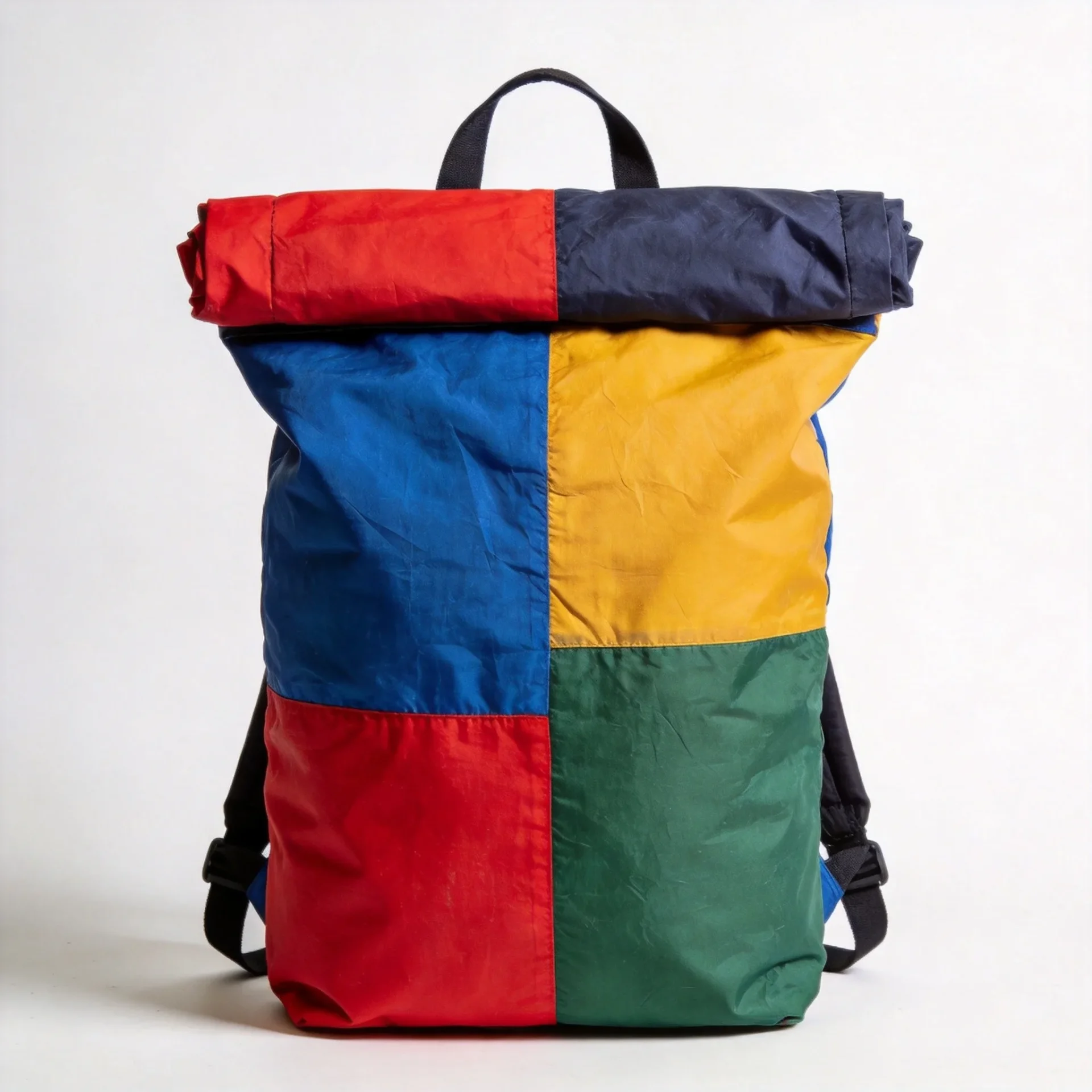
10. Cotopaxi: The Remnant Revolution
Turning Manufacturing Waste Into Brand Identity
Cotopaxi’s Del Día collection is perhaps the most innovative approach to backpack design in the industry. Every Del Día bag is made from remnant fabric scraps left over from other manufacturers’ production runs. The result: each bag is literally one-of-a-kind, with color combinations that can never be exactly replicated.
This is brilliant on multiple levels: material costs are near-zero (they’re using waste products), each SKU is unique (eliminating direct price comparison), and the sustainability story writes itself. The Allpa 35L travel pack — made from remnant nylon — retails for $120-135 and has a cult following.
Manufacturing Takeaway: Remnant fabric sourcing is an underutilized strategy. Large factories generate 5-15% fabric waste; sourcing these remnants at scrap prices ($0.50-1.50/yard vs. $3-8/yard for virgin fabric) creates both cost advantages and unique product differentiation. As a manufacturer, we maintain relationships with multiple fabric mills and can source consistent remnant supplies for brands pursuing this strategy.
Key Manufacturing Insights: What These Brands Teach Us
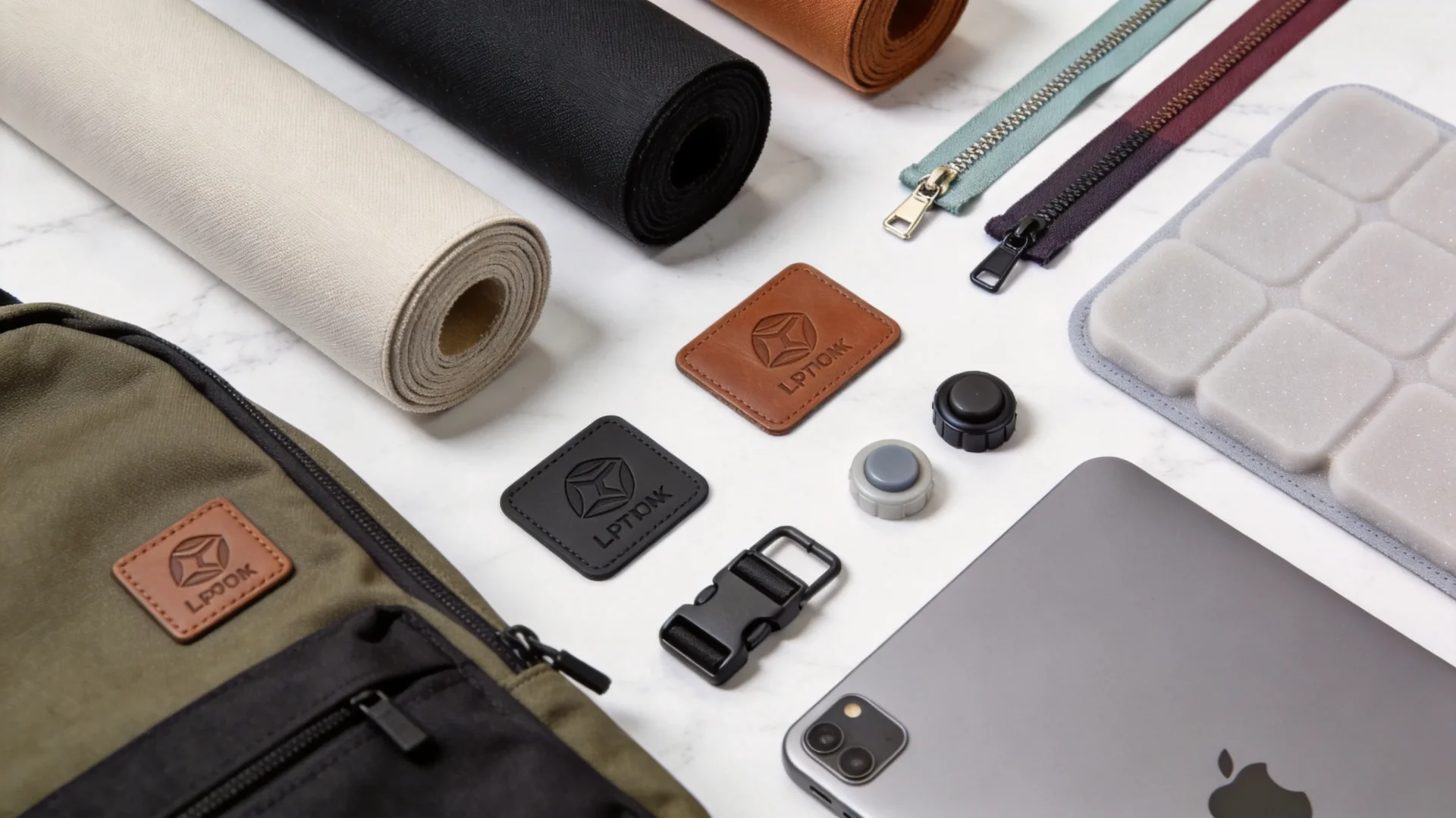
Analyzing these 10 Herschel alternatives reveals clear patterns in how successful backpack brands differentiate and capture market share. Here are the universal lessons for any brand looking to enter or expand in the heritage-style backpack segment:
1. Material Choice Is Your #1 Differentiator
Every brand on this list uses a distinct material strategy to separate themselves. Fjällräven owns G-1000 fabric, Topo Designs specs Cordura, United By Blue uses waxed canvas. The fabric and materials you choose define your product’s hand-feel, durability, water resistance, and perceived value. In custom manufacturing, material selection is the single most impactful design decision you’ll make.
2. The Herschel Silhouette Is a Proven Template
The “heritage backpack” template — rectangular main body, flap or roll-top closure, adjustable shoulder straps, minimal external organization — is proven across every price point from $25 (Vaschy) to $150 (Fjällräven). This silhouette works because it’s visually balanced, easy to manufacture, and appeals to the widest possible audience. Start with this template, then differentiate through materials, features, and branding.
3. Sustainability Is No Longer Optional
Eight of the ten brands analyzed feature some form of sustainability positioning. Recycled fabrics, organic materials, ethical manufacturing, and environmental programs are now expected by consumers, not nice-to-have extras. If your brand doesn’t have a sustainability story, you’re leaving money on the table and limiting your retail distribution options.
4. Price Positioning Has Clear Lanes
The market segments clearly into: budget ($25-50), mid-range ($50-100), and premium ($100-150+). Each segment has different manufacturing requirements, margin expectations, and distribution channels. Trying to straddle two segments usually results in a product that satisfies neither. Choose your lane and optimize for it.
How to Choose the Right Backpack Manufacturer for Your Heritage-Style Line
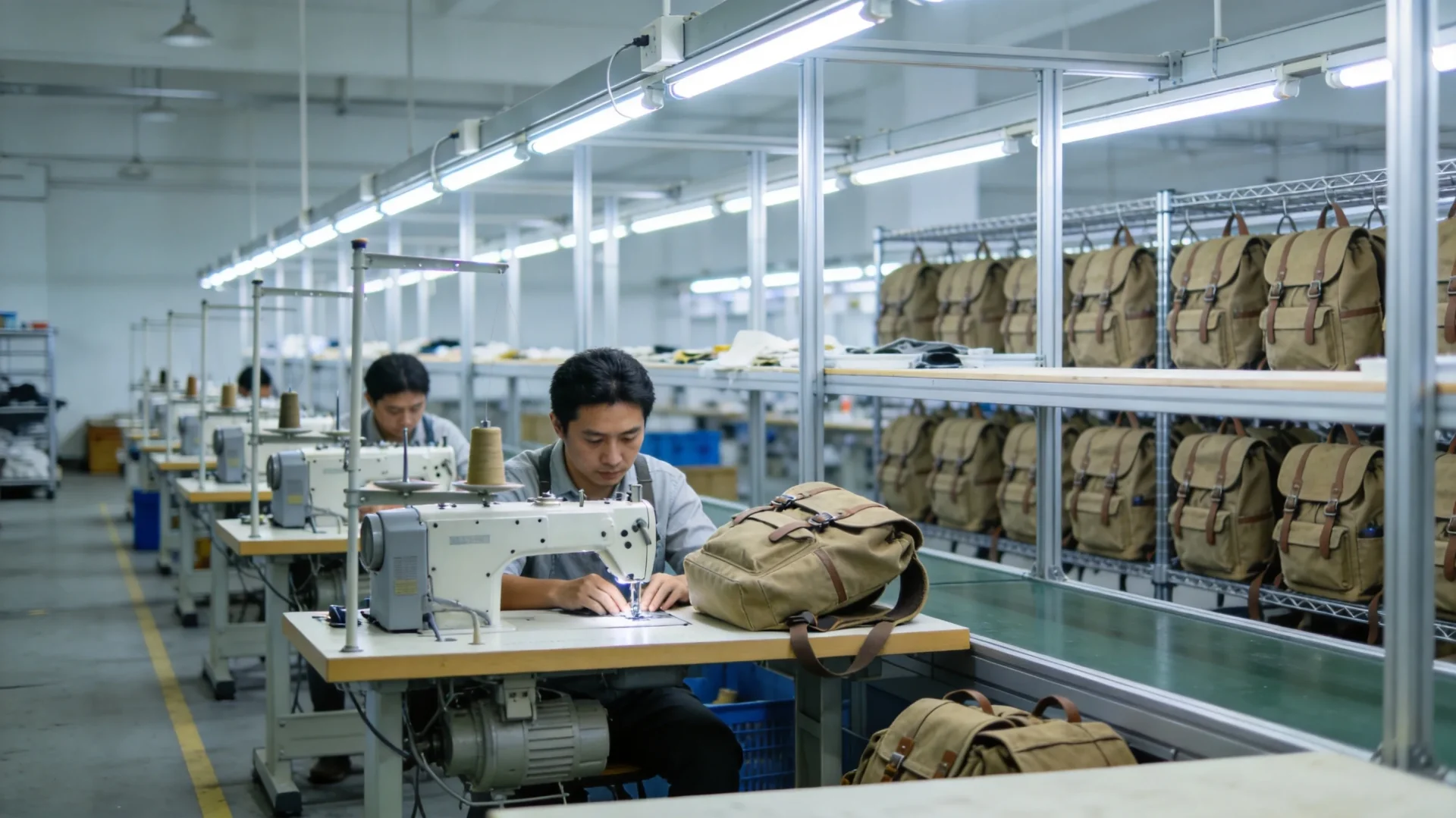
If this analysis has inspired you to develop your own Herschel-inspired backpack collection, choosing the right manufacturing partner is critical. Here’s what to look for:
| Criteria | What to Look For | Red Flags |
|---|---|---|
| Material Sourcing | In-house fabric library, sustainable options, small-MOQ fabric access | Limited to 2-3 fabric suppliers, no eco-options |
| Sample Capability | 7-14 day sample turnaround, multiple revision rounds | 30+ day samples, charges for every revision |
| MOQ Flexibility | 500 pcs per color/style for new brands | Demands 3000+ pcs before first order |
| Quality Systems | AQL 2.5 inspection, in-line QC, pre-shipment reports | No documented QC process |
| Compliance | BSCI, SEDEX, or SA8000 certification | Refuses audit or has no certifications |
| Communication | English-speaking PM, response within 24 hours | Communication delays, language barriers |
At Junyuan Bags, we’ve drawn on over a decade of expertise mastering exactly this type of heritage-style backpack manufacturing. From material sourcing (including rPET, organic cotton, Cordura, and waxed canvas) to sampling, production, quality control, and global shipping, we handle the entire process. Our MOQ starts at 500 pieces per style, and we offer free design consultations to help you translate your brand vision into a manufacturable product.
Whether you’re looking to create a Topo Designs-quality rugged pack, a United By Blue-level sustainable collection, or a Vaschy-competitive budget line, we have the capability, materials network, and experience to deliver. Learn more about how to choose the right bag manufacturer for your specific needs.
Frequently Asked Questions
What makes a backpack similar to Herschel?
A backpack similar to Herschel typically features a heritage-inspired silhouette with clean lines, a rectangular main compartment, flap or roll-top closure, faux or genuine leather strap details, and a classic color palette. Key design elements include magnetic snap closures, padded laptop sleeves, and minimal external branding. Materials range from 600D polyester (budget) to waxed canvas and Cordura nylon (premium).
What is the best Herschel alternative for custom manufacturing?
The best Herschel alternative for custom manufacturing depends on your target market. For premium positioning, look to Topo Designs’ Cordura-based construction or Fjällräven’s G-1000 fabric approach. For mid-range, United By Blue’s waxed canvas and recycled materials offer strong margins. For budget, JanSport’s simplified 600D polyester construction delivers the best cost-to-durability ratio. All of these styles are fully reproducible through OEM/ODM manufacturing.
How much does it cost to manufacture a Herschel-style backpack?
Manufacturing costs for Herschel-style backpacks range from $4-8 FOB for basic polyester models (comparable to Vaschy/JanSport), $8-15 FOB for canvas/leather accent models (comparable to Duluth/KAVU), and $15-25 FOB for premium material models using Cordura, waxed canvas, or recycled fabrics (comparable to Topo Designs/Fjällräven). Final costs depend on materials, hardware, order quantity, and customization level.
What is the minimum order quantity for custom Herschel-style backpacks?
Most established manufacturers require 500 pieces per color per style for custom backpack orders. This MOQ applies to backpacks at Junyuan Bags. Some manufacturers may offer lower MOQs (200-300 pieces) at slightly higher per-unit costs for initial orders. For fabric-dyed-to-order or custom-printed materials, MOQs may increase to 1000 pieces per color.
Can I make a backpack with sustainable materials like Patagonia or Cotopaxi?
Yes. Sustainable backpack manufacturing is widely available through certified factories. Recycled PET (rPET) fabric from post-consumer plastic bottles, organic cotton canvas, recycled nylon from fishing nets, and vegetable-tanned leather are all accessible materials. Look for manufacturers with GRS (Global Recycled Standard) certification. Cotopaxi’s remnant fabric approach is also replicable — factories can source leftover fabric from larger production runs at reduced costs.
How long does it take to develop a custom Herschel-style backpack from concept to production?
The typical timeline is: design consultation and tech pack creation (1-2 weeks), first sample development (2-3 weeks), sample revision and approval (1-2 weeks per round, typically 2-3 rounds), bulk production (30-45 days for 500-2000 pieces), and quality inspection plus shipping (1-2 weeks). Total timeline from concept to delivery is approximately 12-16 weeks for a first-order custom backpack.
Looking for a Reliable Bag Manufacturer?
Custom Herschel-Style Backpacks — Made to Your Specs
Junyuan Bags is a professional OEM/ODM bag manufacturer led by a founder with bag industry experience dating from 2004. We’ve produced heritage-style backpacks for 200+ brands across 100+ countries. From material selection to finished product, we handle everything.
MOQ 500pcs · Factory Direct · Free Sample Available
Design Elements That Define the Herschel Aesthetic
Before you commission your own heritage-style backpack, it’s worth understanding exactly which design elements create the “Herschel look.” These are the visual cues that consumers associate with the brand, and they’re all reproducible in custom manufacturing:
- Rectangular Proportions: Herschel bags use a 2:3 height-to-width ratio that reads as “classic” rather than “sporty.” Wider bags look technical; taller bags look utilitarian. The Herschel ratio hits the sweet spot.
- Flap or Roll-Top Closure: The Little America’s magnetic flap closure is the single most recognizable design element. It’s purely aesthetic (a zipper would be more functional), but it creates instant brand recognition.
- Leather or Faux-Leather Strap Details: Even when straps are purely decorative, the leather accent strips on the front closure create a heritage visual anchor. In manufacturing, these add $0.30-0.80 per unit in material and labor.
- Woven Brand Label: Herschel’s signature woven patch on the front flap is a masterclass in subtle branding. For your own brand, a custom woven label costs $0.05-0.15 per piece at 500+ quantities.
- Diamond Quilted or Padded Back Panel: The interior padding pattern visible when the bag is open signals quality. A quilted back panel adds $0.50-1.00 to manufacturing cost but significantly elevates perceived value.
- Muted, Earth-Tone Colorways: Heritage aesthetics demand restrained colors — navy, olive, charcoal, tan, burgundy. Bright colors work for some brands (KAVU), but the Herschel-adjacent market prefers subtlety.
Understanding these elements allows you to make informed decisions about which details matter most for your target market and budget. Every design choice has a manufacturing cost implication, and knowing which elements deliver the highest visual return on investment is what separates successful products from mediocre ones.
Market Opportunity: Why Heritage-Style Backpacks Are Still Growing
The heritage backpack market continues to expand for several structural reasons:
- Remote/Hybrid Work Culture: As more professionals work from cafes, co-working spaces, and while traveling, the demand for bags that look professional yet carry tech has surged. Heritage-style backpacks fill this niche perfectly — they’re more polished than gym bags but more functional than briefcases.
- Nostalgia Marketing: Consumers aged 25-45 are drawn to products that evoke authenticity and craftsmanship. The “made like they used to make them” narrative drives purchasing decisions across categories, and backpacks are no exception.
- The Anti-Tech-Bro Aesthetic: After a decade of minimalist black nylon tech bags, many consumers are swinging toward warmer, more characterful alternatives. Canvas, leather, and visible stitching signal “human-made” in a world of mass-produced nylon sacks.
- Sustainability Demand: Heritage-style bags made from natural materials (canvas, leather, organic cotton) are perceived as more sustainable than synthetic alternatives, even when performance is comparable. This perception advantage translates to pricing power and brand loyalty.
For brands and retailers, this means the heritage backpack segment isn’t a trend — it’s a structural shift in consumer preferences. The brands that will win long-term are those that combine authentic design language with genuine quality and responsible manufacturing. That’s exactly the type of product we specialize in producing.
Next Steps: From Inspiration to Production
If you’ve identified a market position and design direction from the brands analyzed above, here’s the typical path from concept to production with Junyuan Bags:
- Free Consultation: Share your target market, price point, and design references (including any brands from this list). We’ll recommend materials, construction methods, and features that match your goals.
- Design & Tech Pack: Our design team creates detailed specifications including material selections, hardware choices, dimensions, and construction details. You’ll receive a complete tech pack before any sampling begins.
- Sampling: First prototype ships within 2-3 weeks. We typically go through 2-3 sample rounds to perfect fit, materials, and details before approving for production.
- Production: Bulk production takes 30-45 days depending on order size. In-line quality checks happen at critical production milestones.
- Delivery: Final inspection, packing, and global shipping. We handle all export documentation and can arrange door-to-door delivery.
Ready to start? Request your free quote or WhatsApp us directly to discuss your project. Our team responds within 24 hours, every day.
FAQ
Which backpacks are similar to Herschel?
Fjällräven, Eastpak, JanSport, and Topo Designs offer the same clean heritage look, durable canvas, and practical organization at similar or lower prices.
What fabric are Herschel-style backpacks made of?
Most use cotton canvas or durable nylon with a subtle sheen, a padded laptop sleeve, and a reinforced base — easily replicated for custom production.
Can I custom manufacture backpacks like Herschel?
Yes — an OEM partner can build heritage-style canvas packs with your branding; typical MOQs start around 500 pieces per style per color.
Are Herschel-style backpacks worth it?
As retail products they sell well for the retro-style, quality-fabric appeal, and the design is straightforward to source for brands.
Looking for a custom heritage-canvas backpack line? JUNYUAN BAGS works with an affiliated OEM factory (est. 2014, ~137 workers) on custom backpack manufacturing. Talk to us.