What should a first-time buyer know before ordering custom backpacks? Twelve mistakes account for most first-order losses: briefing volume without design load, accepting a verbal specification, skipping the loaded sample test, comparing FOB prices instead of landed cost, ignoring tooling and plate costs, under-specifying zippers and stitching, assuming a marketplace listing is a factory, ordering all colours at once, leaving payment terms to the proforma invoice, skipping inspection access, ignoring reorder consistency, and choosing a supplier on price alone. JUNYUAN BAGS works with first-time buyers at standard MOQ of 500 pcs per style and colour, sampling in 6–10 business days, bulk production in 35–50 days, AQL 2.5 / 4.0 inspection, FOB Xiamen with DDP available by arrangement.
A first order fails for reasons that are almost entirely predictable. They are not manufacturing failures — they are briefing failures, and they happen before a single unit is cut. This page is the checklist we would give a buyer before their first tech pack.
What Does a First Custom Backpack Order Actually Involve?
Four stages, each with its own decision and its own cost.
- Brief. Convert the product idea into a specification the factory can quote: category, volume, design load, opening system, fabric, hardware, branding method and target price.
- Quote and sample. Receive a costed bill of materials, agree tooling and sample costs, approve a physical sample.
- Production. Deposit, bulk run, inline and final inspection, balance payment, shipment.
- Reorder. Repeat the same product from the same line against the same approved sample.
Most first-time losses happen at stage one and stage four. Stage one produces the wrong product; stage four produces a second order that does not match the first.
The Twelve Mistakes That Cost First-Time Buyers Money
1. Briefing volume without design load
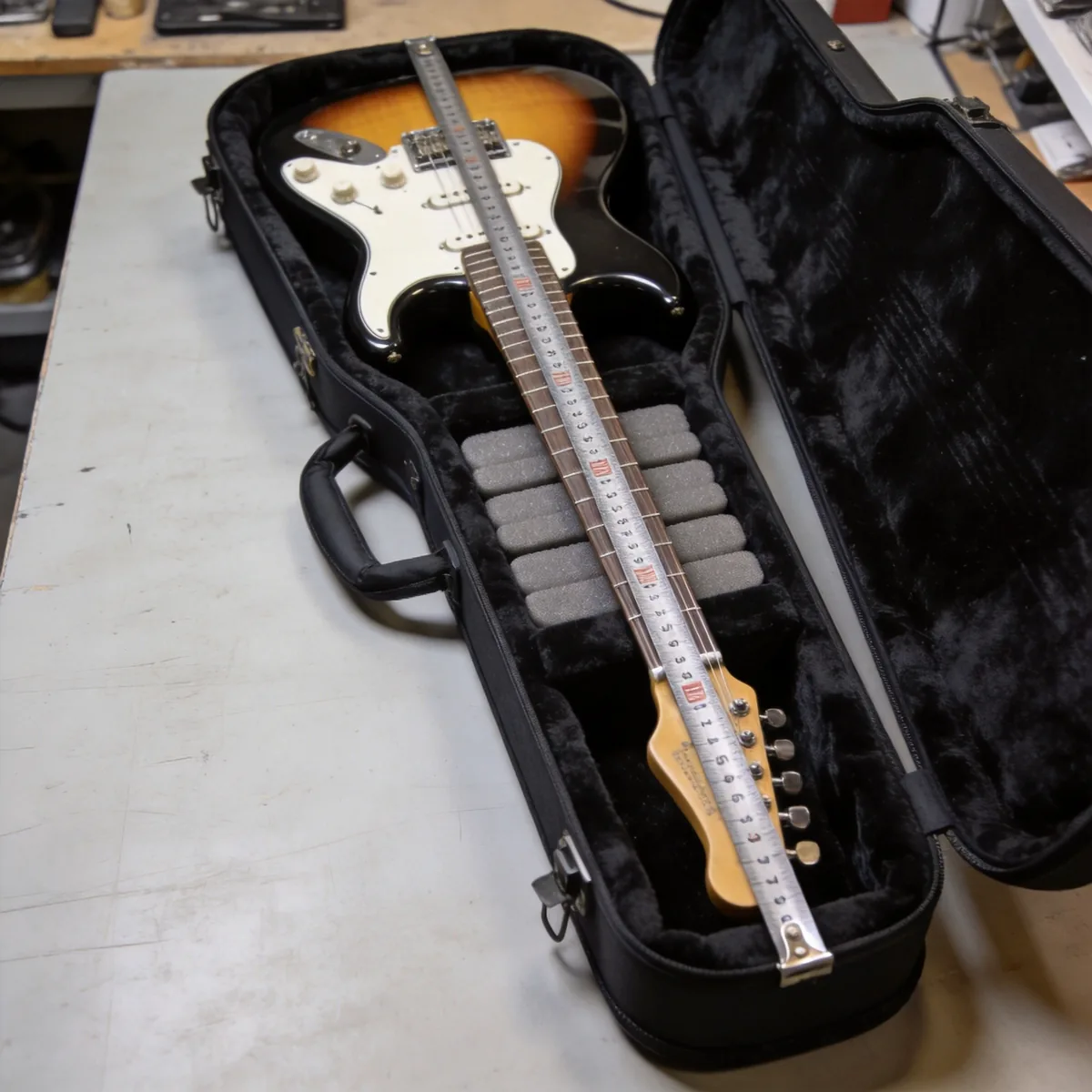
“A 30 L backpack” is not a specification. A 30 L pack built for 8 kg and one built for 15 kg use the same shell dimensions and different frames, belts and stitch schedules. The factory will build the lighter, cheaper construction unless you state the design load. Write the load in kilograms into the brief.
2. Accepting a verbal specification
Fabric grade is the most common casualty: CORDURA® and generic high-tenacity nylon look similar in a photograph and differ in both price and verifiability. Anything not written in the tech pack will be decided by the factory, usually in the direction that costs less. Fabric grade, zipper size, stitch density, foam thickness and tolerance all need to be numbers in a document. A verbal agreement is not a specification, and it cannot be inspected.
3. Skipping the loaded sample test
A sample evaluated empty tells you almost nothing. Load it to the design weight and wear it for twenty minutes. Belt roll, shoulder slip and frame flex are invisible in an unloaded sample and obvious under load — and they are the three failures buyers notice first.
4. Comparing FOB prices instead of landed cost
Two quotes at US$11 and US$13 FOB can reverse once landed. Add samples, tooling, compliance testing, ocean freight, duty on CIF value, inland handling and bank charges. The comparison that matters is total landed cost per unit at your actual quantity, not the headline FOB number.
5. Ignoring tooling and plate costs
Logo tooling, printing plates and any custom hardware moulds are one-time costs that do not appear in the unit price. Screen printing needs one plate per colour; heat transfer needs one plate per design; a metal badge needs a mould. Ask for these itemised before you compare anything else.
6. Under-specifying zippers and stitching
Zippers are the most common warranty failure on backpacks and the cheapest component to upgrade. Specify the size (#5, #8, #10), the type and whether the slider is branded — a YKK or Duraflex slider is the common specification on any pack above entry tier. Specify stitch density at 8–10 stitches per inch, double-row on load-bearing seams, and box-X or bar-tack at every terminal point.
7. Assuming a marketplace listing is a factory
A verification badge confirms a legal entity, not a production line. The seller may own the machines, may be a trader, or may be reselling output from a factory it has no control over. Ask for the business licence scope and a dated production walkthrough before committing a deposit.
8. Ordering all colours at once
MOQ is usually counted per style and colour. Ordering five colours on a first order can multiply the minimum by five. Order one or two colours, confirm the product sells, then add colourways on the reorder. Confirm the MOQ counting rule in writing before you build a colour plan.
9. Leaving payment terms to the proforma invoice
The proforma invoice is a payment request, not a contract. Put payment terms, inspection rights, rework liability and the approved sample reference into the purchase order. If the balance is due before shipment, tie it to a passed final inspection rather than to a sailing date.
10. Skipping inspection access
If you cannot attend final inspection or appoint a third party to attend, you have no way to verify the lot before it ships. A supplier who resists inspection access is either subcontracting or has no inline QC to protect. Make inspection access a condition of the order, not a favour.
11. Ignoring reorder consistency
The first order is a test; the business is the reorder. Ask how the second order will be produced, by whom, and against which approved sample. Retain a signed approved sample and name every material by article reference in the purchase order, or a visually similar lower-grade material can enter production and no inspection will catch it.
12. Choosing a supplier on price alone
The cheapest quote is usually cheap in a specific place: a lighter framesheet, a generic zipper, a thinner foam, a lower stitch density, or a smaller lining allowance. Find out which one before you decide, and compare quotes against an identical specification rather than against each other.
How to Read a Quotation
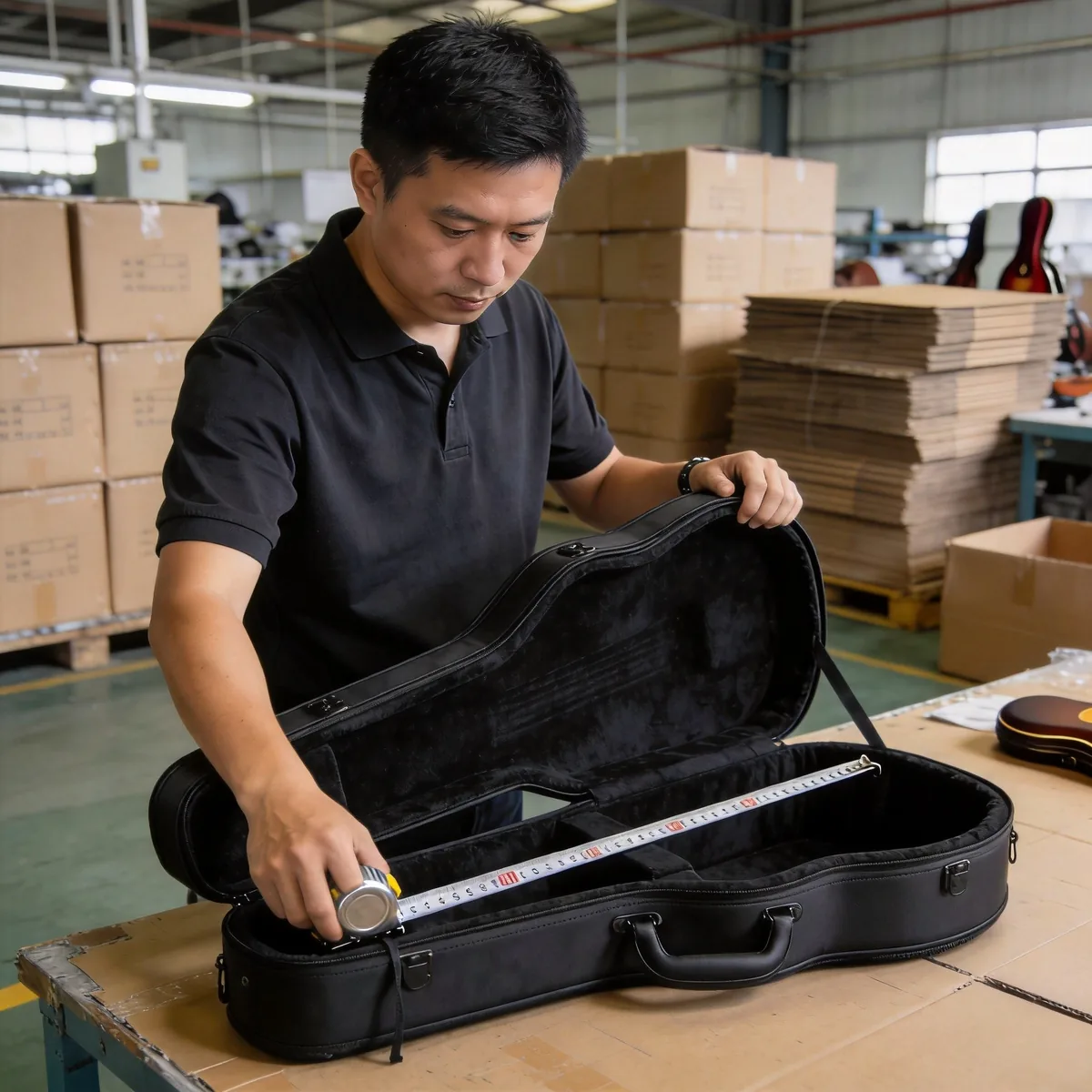
A usable quotation has structure. If a supplier returns a single number, ask for the structure before you negotiate the number.
| Line item | What it should state | Red flag |
|---|---|---|
| Unit price | FOB port, quantity basis, validity period | No port, no quantity basis |
| Fabric | Composition, denier, g/m², coating, article reference | “Strong nylon” or “high quality material” |
| Hardware | Zipper size and brand, buckle type, webbing spec | No brand or size stated |
| Construction | Stitch density, seam type, reinforcement points | Silent on stitching |
| Tooling | Itemised one-time costs per branding method | Tooling “included” with no figure |
| Sample | Cost, lead time, whether credited against bulk | No statement on credit |
| MOQ | Per style, per colour, and the counting rule | “Negotiable” |
| Lead time | Sampling and bulk stated separately, from what trigger | One combined number |
| Inspection | AQL level, standard referenced, access rights | No inspection clause |
| Payment | Deposit percentage, balance trigger, method | Balance due on order confirmation |
First-Order Cost Model
The numbers below are the line items a first-time buyer consistently forgets. They do not appear on the FOB quote and they do not disappear.
| Cost item | Typical range | When it is incurred | Recoverable? |
|---|---|---|---|
| Sample and courier | US$50–150 per round | Before production | Often credited against bulk |
| Logo tooling | US$80–400 one-time | Before production | No — yours to reuse |
| Printing plates | US$30–80 per colour | Before production | No |
| Compliance testing | US$200–800 | Before shipment | No |
| Ocean freight | US$1.50–4.00 per unit | At shipment | No |
| Duty and VAT | Calculated on CIF value | At import | No |
| Inland freight | US$0.30–1.00 per unit | At import | No |
| Bank charges | US$30–60 per transfer | Each payment | No |
Buyer-side screening guidance makes the same point about specification ownership and QC responsibility — see this manufacturer versus supplier comparison and this supplier screening guide. The same cost categories are set out from the buyer side in this B2B customisation FAQ, which is worth reading before your first quotation round.
What to Put in a First Tech Pack
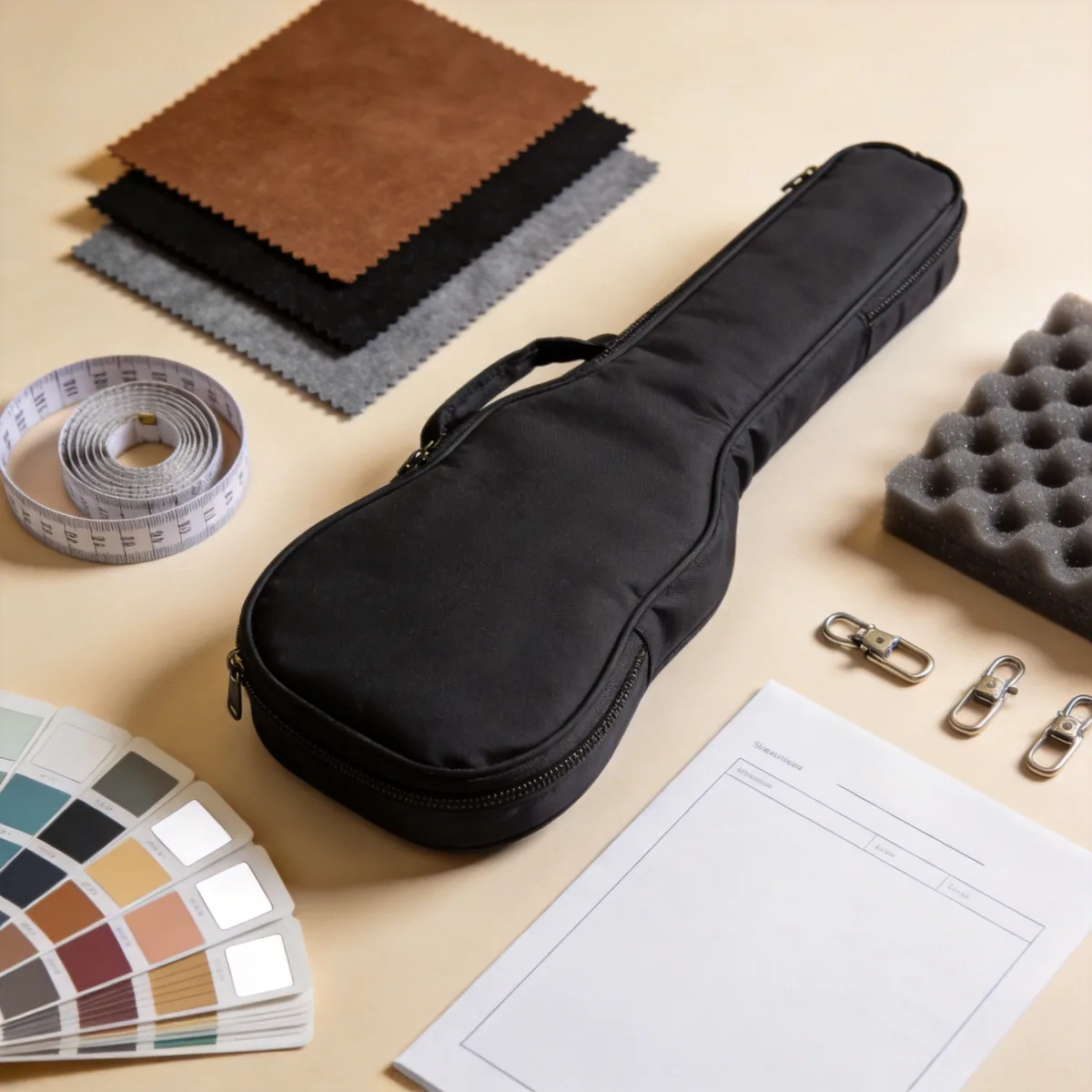
| Section | Content | Why it matters |
|---|---|---|
| Product definition | Category, volume, design load, opening system | Prevents the factory defaulting to the cheaper construction |
| Dimensions | External and internal dimensions with tolerance | Laptop fit and cabin claims depend on tolerance |
| Materials | Fabric, lining, webbing, foam with article references | Enables inspection against a written standard |
| Hardware | Zipper size and brand, buckles, pulls | Zippers are the most common warranty failure |
| Construction | Stitch density, seam type, reinforcement points | Decides field life more than fabric does |
| Branding | Method, position with dimensions, colours | Position must be dimensioned, not described |
| Packing | Polybag, hangtag, carton quantity, labelling | Prevents a last-minute cost surprise |
| Compliance | Target market requirements and test standards | Determines which tests are needed before shipment |
| Inspection | AQL level, standard, access rights | Makes inspection a right rather than a favour |
First-Order Timeline
| Stage | Duration | What you do |
|---|---|---|
| Brief and quotation | 1–3 days | Send tech pack, review costed BOM, agree tooling |
| Sampling | 6–10 business days | Approve sample, run the loaded test |
| Pre-production | 3–5 days | Pay deposit, confirm materials, sign off the sample |
| Bulk production | 35–50 days | Inline updates, arrange inspection |
| Final inspection | 1–2 days | Attend or appoint a third party to AQL 2.5 |
| Shipment | Varies by route | Pay balance against inspection pass, book freight |
Supplier Red Flags on a First Order
Most first-order failures are visible before the deposit. These are the signals worth stopping for, with what each one usually indicates.
| Red flag | What it usually means | What to do |
|---|---|---|
| Will not itemise tooling and sample costs | Those costs are embedded in the unit price where you cannot audit them | Request an itemised quotation before negotiating |
| Quotes a price before asking about specification | They are selling a stock shape, not your product | Ask for a BOM; judge the answer |
| MOQ “changes after confirmation” | MOQ is counted per colour, not per order | Get the counting rule in writing |
| Resists inspection access | No inline QC to protect, or the order will be subcontracted | Make inspection access a condition of the order |
| Will not name the production factory | Unquantified substitution risk between orders | Require written factory name and change notice |
| Balance due on order confirmation | Cash-flow driven terms, weak buyer protection | Tie balance to a passed final inspection |
| Sample room is the production line | Sample quality is not representative of bulk | Ask how bulk will be produced and by whom |
| “Yes” to every construction question | The question has not been understood | Ask which constructions they decline |
First-Order Questions Buyers Ask
Q1: What is the minimum order for a first custom backpack order?
JUNYUAN BAGS standard MOQ is 500 pcs per style and colour. Note that the minimum is counted per colour, so a first order in one or two colours is the most capital-efficient way to start. Volume pricing begins at 5,000 pieces, and there is flexibility on proven repeat designs.
Q2: How much does a first order cost in total?
Budget beyond the FOB price: samples at US$50–150 per round, logo tooling at US$80–400, printing plates at US$30–80 per colour, compliance testing at US$200–800, freight at US$1.50–4.00 per unit, duty and VAT on CIF value, inland handling at US$0.30–1.00 per unit, and bank charges at US$30–60 per transfer. Build a landed cost model before committing.
Q3: How long does a first order take from brief to delivery?
Quotation in 1–3 days, sampling in 6–10 business days, bulk production in 35–50 days after sample approval and deposit, then ocean freight. A first order placed today typically ships within roughly two to two and a half months, before transit time.
Q4: What should I ask a supplier before placing a first order?
Ask for a costed bill of materials, the business licence scope, whether the sample room is separate from mass production, the AQL level and standard used, inspection access terms, the MOQ counting rule, and two references in the same product class. A supplier who answers all seven quickly is worth continuing with.
Q5: How do I write a tech pack if I have never made one?
Start from nine sections: product definition, dimensions with tolerance, materials, hardware, construction, branding, packing, compliance and inspection. The most commonly omitted and most important section is construction — stitch density and seam type — because that is what the factory will otherwise decide for you.
Q6: Should I order a sample first?
Always. A paid sample is the cheapest risk reduction available, and it is usually credited against the bulk order. Evaluate it loaded rather than empty, and keep the signed approved sample as the contractual reference for production and reorders.
Q7: What payment terms should I expect?
30% deposit with 70% before shipment is standard, with letters of credit for larger orders. For a first order, tie the balance to a passed final inspection rather than a sailing date, and put the terms in the purchase order rather than relying on the proforma invoice.
Q8: How do I avoid a second order that looks different?
Three controls: name every material by article reference in the purchase order, retain a signed approved sample, and require written notice of any substitution. Ask before the first order how the reorder will be produced and against which sample — the answer tells you whether a repeat business is possible.
Q9: What is AQL 2.5 and do I need it?
AQL 2.5 is the acceptance quality limit defined under ISO 2859-1 and used across most consumer goods programs. Yes, you need it: it defines how many defects are acceptable in a lot and gives you a standard to inspect against. Without it, inspection becomes a matter of opinion.
Q10: Is it cheaper to buy from a marketplace for a first order?
It can be cheaper at very low volumes, where a factory minimum is not viable. Above roughly 500 pieces for a custom design, a direct factory is normally cheaper in total because there is no intermediary margin and no platform friction. Compare landed cost at your actual quantity, not at the quoted minimum.
Q11: What are the most common defects in a first production run?
Stitch density below specification, misaligned panels, zipper sliders that bind at curves, and colour variation between lots. All four are specification or inline QC failures rather than capability failures, which is why writing the construction section properly matters more than choosing a supplier carefully.
Q12: Do I need compliance testing for my market?
It depends on the market and the claim. US and EU markets both have chemical and labelling requirements, and any material claim — recycled content, water resistance, abrasion resistance — needs supporting test data. Ask the supplier which tests the target market requires before production, not after.
Q13: Can I change the design after seeing the sample?
Yes, but expect a second sample round and additional time. Changes to dimensions or hardware after sampling are normal; changes to the opening system or frame after sampling effectively restart the pattern stage. Collect all changes into one round rather than issuing them sequentially.
Q14: What is the single most important thing on a first order?
The written specification. Almost every first-order problem — wrong construction, unexpected cost, inconsistent reorder — traces back to something that was agreed verbally and never written down. A complete tech pack is the cheapest insurance available in this business.
Start Your First Custom Backpack Order
Send JUNYUAN BAGS whatever you have — a sketch, a reference product, or a partial brief. Within 12 hours you get a specification review, a costed bill of materials and a firm FOB Xiamen price. JUNYUAN BAGS has built custom bags since 2014, with founder Marvin Zhang in the trade since 2004. Sampling takes 6–10 business days and bulk takes 35–50 days, with AQL 2.5 final inspection available to you or your inspector.
Guides worth reading before your second order: the wholesale laptop backpack specification guide, choosing a bulk sourcing channel, choosing a mountaineering backpack manufacturer, what top-rated hiking backpacks specify, the five most popular laptop backpack styles, and classifying travel backpacks. Capability background is on the custom backpack manufacturing page, the company profile and QC process, or contact the OEM/ODM team.