
Madewell vs Cuyana Leather Totes: Worth the Price?
Two minimalist leather totes, one big question. This is a factory-workshop read on the Madewell Transport (and its leather totes) versus the Cuyana Classic Easy Tote – the actual leather, the construction steps, the real bill of materials behind each retail price, who each one actually suits, and how the same straight build gets made under your own label.
Yes, the Cuyana is pricier, and yes, for a leather-nerd the Madewell is the better value-per-dollar entry – but they are not competing on the same leather or the same story. Here is the density. The Madewell Transport Tote runs about $168 (approx.) and is built on vegetable-tanned leather with a wash and a waxed finish that burnishes fast into a visible patina; the Cuyana Classic Easy Tote runs about $278-395 (approx.) and is built on soft Italian pebbled leather, made in Turkey with no synthetic lining, holding a 15-16″ laptop with zero exterior hardware. At factory level both are simple, high-volume builds: a clean leather tote of this kind costs roughly $25-60 (approx.) in material, cutting, stitching, edge work and finishing, with the leather itself sitting at 45-65% of that cost. So the retail difference between the two is mostly leather grade/source, finishing and brand – not hidden exotic material. For a private-label run of the same construction the working parameters are MOQ 500 pcs, sampling 6-10 days, mass production 35-50 days, AQL 2.5 inspection, 12-month warranty, more than a decade of experience-08-22, T/T 30/70 payment, FOB Xiamen / CIF / DDP shipping.
TL;DR / Quick Answer
- Which is worth it? The Madewell if you want the best leather-per-dollar entry with a fast, characterful patina and a lower spend; the Cuyana if you want softer Italian pebbled leather, a cleaner minimal build with no exterior hardware, and a real 16″ laptop carry – and you are comfortable paying more for it.
- What is the actual difference? Madewell uses vegetable-tanned leather that burnishes and shows wear quickly; Cuyana uses soft Italian pebbled leather that drapes, keeps a clean face and needs no synthetic lining. Neither is exotic or rare – both are ordinary, buyable leather in a simple tote construction.
- Are premium leather totes worth it? As a purchase, yes when you will actually use them daily for years; as a construct, the build cost is modest, so the price is design, leather origin and brand.
- Factory verdict: a Madewell-class and a Cuyana-class leather tote are two versions of the same simple, high-volume product – a clean leather shell, handles, minimal hardware, careful stitching. Any capable partner can reproduce either at factory cost under your own brand.
1. Two Minimalist Leather Totes, Two Different Leathers
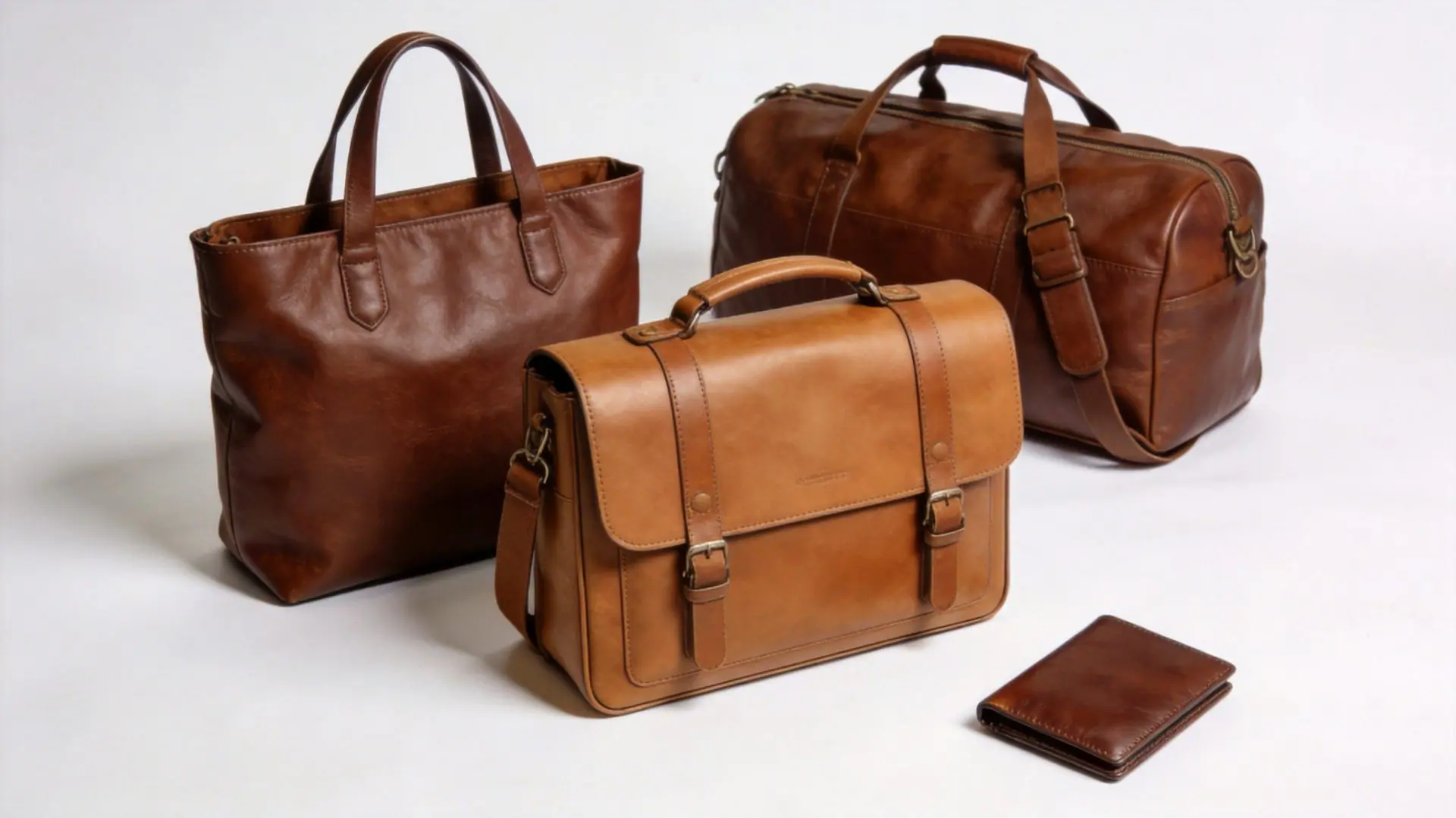
On the shelf the Madewell Transport and the Cuyana Classic Easy look like they belong to the same minimal-leather family – and in spirit they do. The difference is in the hide and the finish. The Madewell Transport Tote (about $168, approx.) is vegetable-tanned leather with a wash and a softly worn waxed finish. Vegetable tanning uses plant tannins over weeks, keeps the grain and lets the leather burnish – it develops a fast, visible patina with daily use, which some buyers love and others read as premature scuffs. It starts structured but not stiff, in eight colorways, with a single interior side zip pocket and an open top.
The Cuyana Classic Easy Tote (about $278-395, approx.) is a different brief: lightweight, buttery-soft Italian pebbled leather, made in Turkey from tanned Italian hide, with no synthetic lining for a cleaner, more sustainable design. It holds a 15-16″ laptop, has no exterior hardware at all, offers free monogramming and a snap-in insert system, and its double-handle design carries by hand or on the shoulder. It is deliberately unstructured and drapes – buyers report it relaxing into a soft silhouette within the first months, a feature if you like the slouch and a drawback if you want a stiff, structured bag.
2. Why They Cost What They Cost
Strip either tote down and the price is built from four honest buckets. Leather quality and source is the biggest cost – and it is where the two real difference lies. Madewell’s vegetable-tanned leather is straightforward, hard-wearing and cheaper per usable hide; Cuyana’s Italian pebbled leather carries a source-and-finish premium for its buttery softness and cleaner, more uniform face. Tanning and finishing comes next – vegetable tanning (Madewell) or the chrome/pebbled finishing that yields Cuyana’s soft, consistent grain. Construction is third: cutting, stitching, edge finishing, and the light hardware / insert systems. Brand, design and distribution is the last and usually the largest single share – the logo, the store, the marketing and the retail margin.
So the honest answer to “is the Cuyana worth 1.5x the Madewell” is: the Cuyana earns part of its premium with a softer, pricier leather and a cleaner no-hardware build, and the rest is brand and positioning. The Madewell is the better value-per-dollar on materials alone; the Cuyana is the better value on the specific leather feel and minimal aesthetic you are paying for. Neither is overpriced for what it genuinely is – you just have to know which one you are buying.
3. Madewell vs Cuyana: Side by Side
Here is a realistic, typical side-by-side (typical retail figures, not a specific SKU):
| Feature (typical) | Madewell Transport Tote | Cuyana Classic Easy Tote |
|---|---|---|
| Typical retail | About $168 (approx.) | About $278-395 (approx.) |
| Leather & finish | Vegetable-tanned, washed / waxed finish that burnishes fast | Soft Italian pebbled leather, no synthetic lining |
| Tannery stamp | LWG-sourced tannery (Do Well) | LWG-certified tannery |
| Where made | Imported / sourced | Made in Turkey from Italian leather |
| Closing & pockets | Open top, single interior side zip | Open top, no exterior hardware; insert / organizer system |
| Structure & look | Structured-but-soft, fast patina | Soft, unstructured, drapes with wear; clean minimal face |
| Laptop carry | About 14″ comfortable | 15-16″ laptop listed |
| Extras | Color variety, no monogram | Free monogram, snap accessories, double handle |
The row that decides the price gap is the leather and finish row, plus the brand and positioning that sits behind it. Everything else – a clean leather shell, handles, minimal hardware, careful stitching – is the same simple, high-volume construction.
4. Factory View: What These Leather Totes Actually Cost
From a leather-goods factory’s costing sheet, both totes are standard, fast-moving builds. Here is a realistic bill-of-materials for a clean leather tote in this class (typical, not a specific SKU):
| Component (typical) | Cost per Tote (approx.) | Factory Note |
|---|---|---|
| Leather body (veg-tan or pebbled cut) | $12-32 | The biggest single item; graded hide, usable-area cutting, tanning and finishing all land here – the source and finish split the two brands |
| Lining / interlining (or none) | $2-5 | Madewell uses interior lining and zip; Cuyana runs no synthetic lining, which trims cost and weight |
| Handles & minimal hardware | $2-6 | Reinforced handles, rivets and any small logo/feet; Cuyana’s no-exterior-hardware build keeps this low |
| Cutting, stitching & edge finishing | $4-9 | Clean, straight seams and edge work are what make a minimal tote look premium |
| Trims, labels & packaging | $1-3 | Dust bag, hang tag and carton add identity at low cost |
| Assembly & QC labour | $3-7 | Simple tote QC: stitch tension, seam alignment, handle pull-test, finish check |
Add those up and a clean leather tote of this kind lands around $25-60 (approx.) at factory level, before brand, distribution, retail markup and import. On a $168 or a $395 (approx.) retail bag the build is a modest share and most of the price is the brand, leather source premium and retail stack. That is normal for a consumer leather label – and exactly why the same build is buyable near factory cost under your own name.
5. Madewell vs Cuyana: Which Is Actually Worth It?
Weigh the Cuyana when: you want softer Italian pebbled leather, a cleaner minimal silhouette with no exterior hardware, a real 15-16″ laptop carry, free monogramming and a brand that positions on fewer-better. If that specific leather feel and aesthetic are the point, it is worth the premium.
In plain terms: you are choosing between a value vegetable-tanned tote and a premium Italian-pebbled tote – not between a real leather bag and a fake one. Both are honest builds. Pick the Madewell for value-per-pound entry leather, pick the Cuyana for the softer, cleaner, more premium leather-feel experience. And if you are a brand, both are reproducible at factory cost under your own label, because neither is a construction miracle – both are simple, buyable leather shells.
6. Factory Process: From Hide to Finished Tote
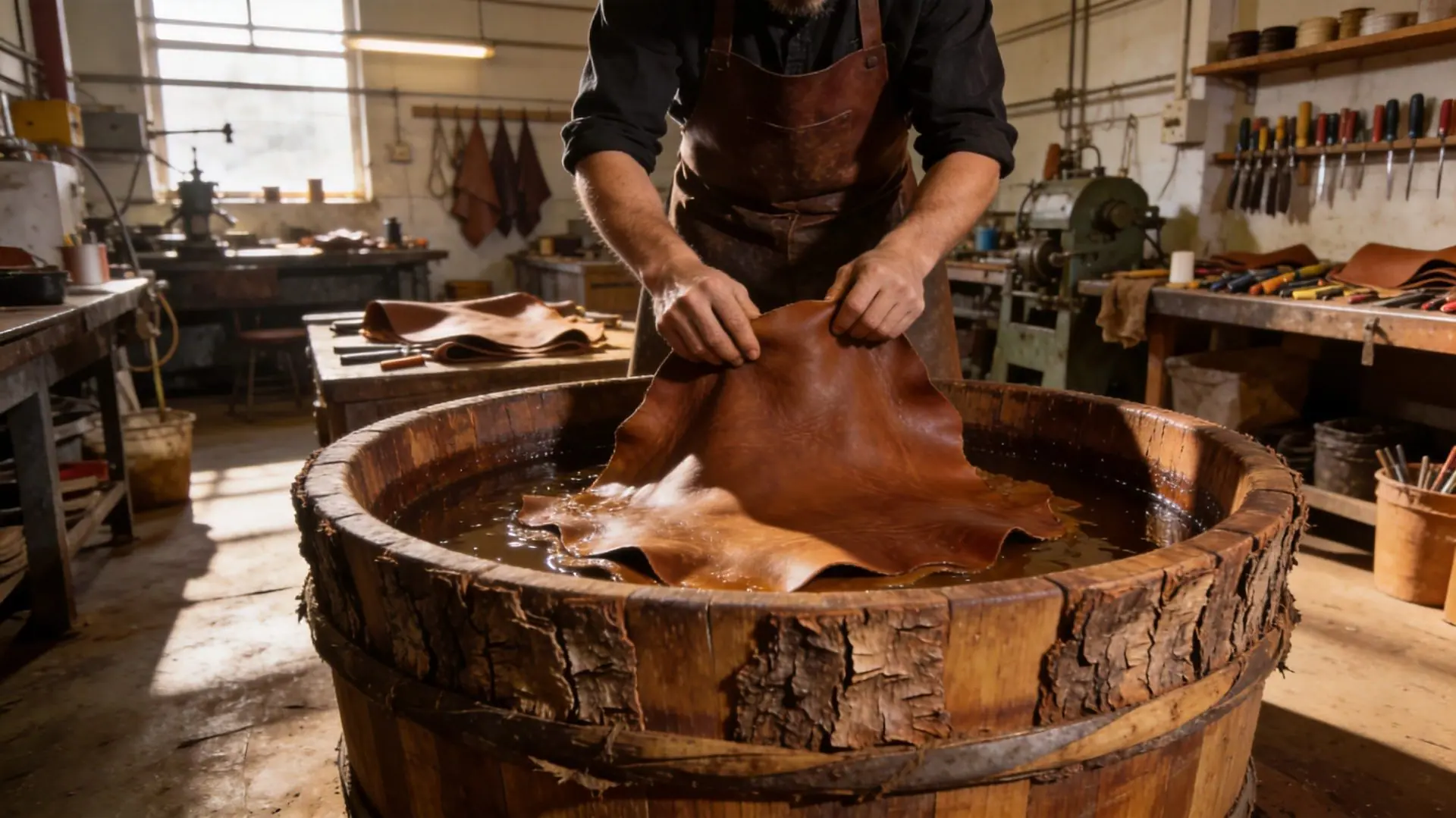
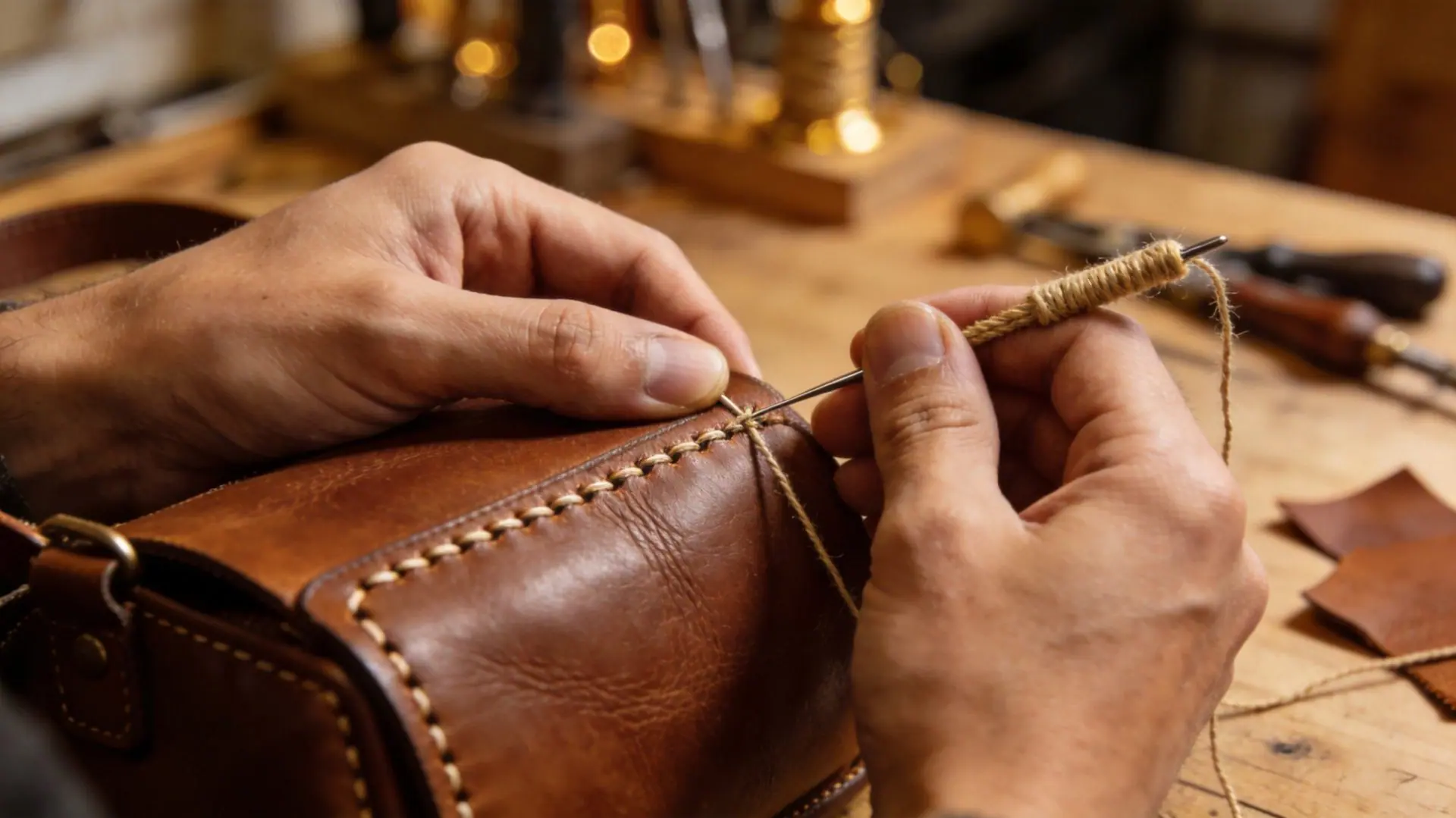
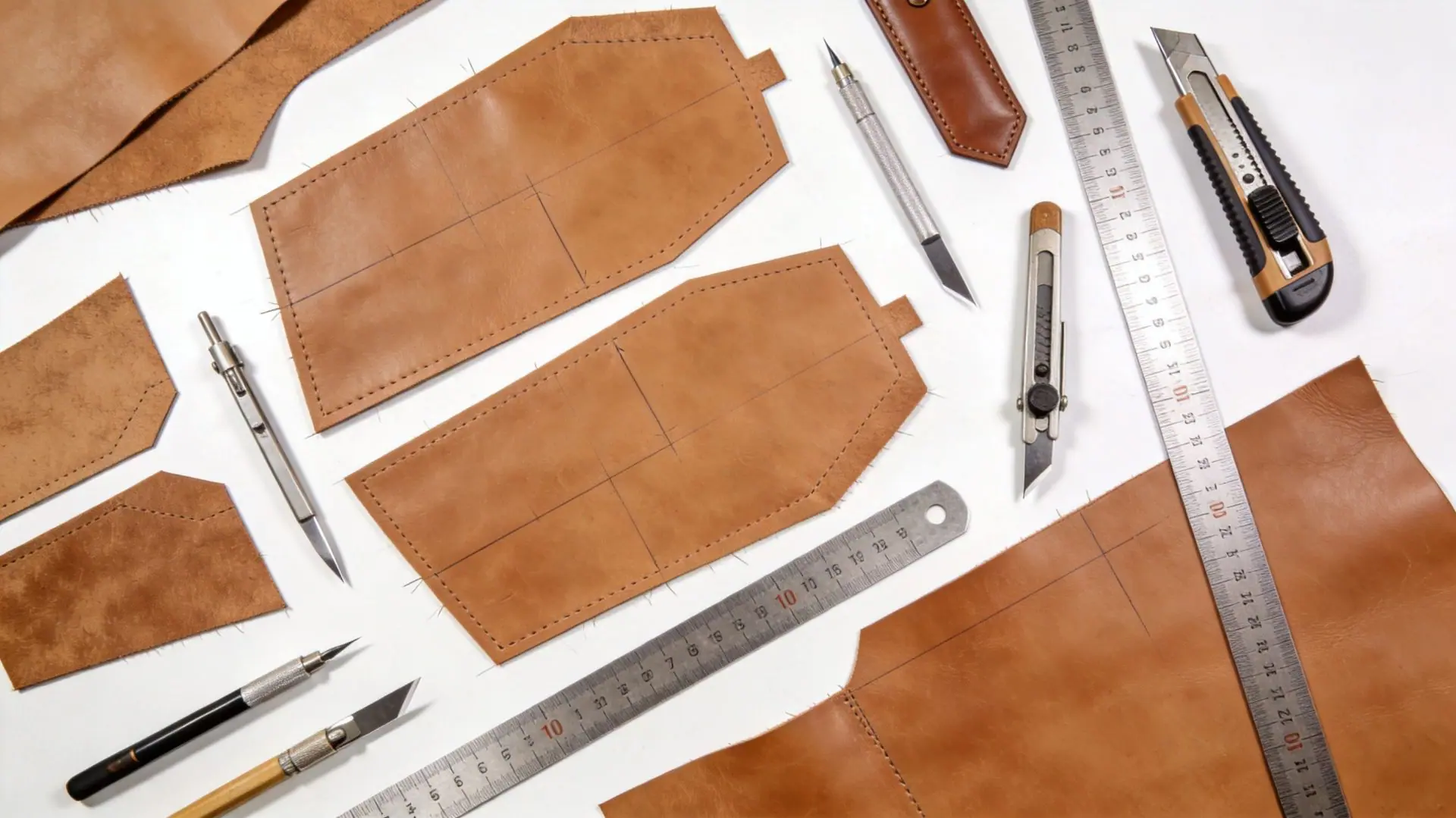
The leather-goods factory view turns “why the price gap” into a step sequence. First the hide is selected and graded – defects, thickness and usable area decide cost and which brand tier it suits. Then it is tanned and finished – vegetable tanning for the patina-rich Madewell look, or pebbled finishing for Cuyana’s soft, uniform face. Next the hide is pattern-cut, with a skilled cutter laying panels to waste as little usable leather as possible. Each panel is stitched – outer seams, handles, then an interior zip or pocket where used – and edge-finished for a clean rim. Minimal hardware is attached, and finally the tote gets a quality inspection for stitch tension, seam alignment, handle pull-strength and finish before it is bagged with its dust cover.
Every step costs time and labour, which is why a “simple tote” still has real cost – and why a well-finished one rewards a skilled partner. But it is a standard, high-volume process, which is exactly why a Madewell-class or Cuyana-class leather tote can be reproduced at a fair price.
7. Fair-Price Alternatives and Private-Label Leather Totes
As a consumer, the smartest rule with any brand-heavy leather buy is the same: choose the leather that matches how you actually use it, pick a classic silhouette, and buy on sale when you can. The brand premium is the largest share of the price, so a classic that ages on you is worth more than a trend you will replace. Madewell runs frequent 25%-off promotions, and the value case only improves on sale.
As a brand or business sourcing leather totes, the calculation is cleaner – the same vegetable-tanned or Italian-pebbled leather, the same straight seams and edge finishing, are buyable near factory cost.
Start with an OEM/ODM leather bag partner to spec a Madewell-class or Cuyana-class tote under your own label. For leather-tote production routes specifically, the premium leather tote manufacturer guide and the bespoke leather tote design guide map the moving parts. Read the custom leather bag manufacturing guide to move from leather choice to production, and the custom handbag manufacturing guide for the handbag-side route. If handles and hardware are your deciding factor, the bag hardware and branding guide pins the zips and logo plates.
8. Frequently Asked Questions
Is the Madewell Transport Tote real leather?
Yes. It is genuine leather – specifically vegetable-tanned leather with a wash and a waxed finish, sourced from a Leather Working Group (LWG)-recognized tannery on many styles. It is a hard-wearing, real-hide build that develops a visible patina with use.
Is the Cuyana Classic Easy Tote real leather?
Yes. It is lightweight, buttery-soft genuine Italian pebbled leather, made in Turkey with no synthetic lining. The hide comes from an LWG-certified tannery and only gets better with age.
Why is Cuyana more expensive than Madewell?
Mostly because of the leather: Cuyana’s soft Italian pebbled hide costs more to source and finish than Madewell’s vegetable-tanned leather, plus a cleaner no-hardware build, a real 16″ laptop carry and a higher brand position. Both are honest builds – the Cuyana is a premium leather and brand story, not a hidden-material miracle.
Which is better for a 15-16 inch laptop, Madewell or Cuyana?
The Cuyana Classic Easy Tote lists a 15-16″ laptop fit and is the better pick for a real 16″ machine and a no-hardware minimal look. The Madewell Transport is most comfortable around a 14″ laptop and is the better value-per-dollar if you do not need the larger carry.
Do vegetable-tanned Madewell totes patina fast?
Yes – that is the point. Vegetable-tanned leather burnishes quickly, often showing a visible patina within weeks and a worn-in character within months. Some buyers love the charm; if you prefer a leather that keeps a cleaner face longer, a pebbled or chrome-tanned option like the Cuyana style is the safer pick.
Are premium leather totes worth the money?
As a purchase, yes when you will actually carry one daily for years and you value the leather, feel and brand. As a construct, a clean leather tote builds for roughly $25-60 (approx.) at factory level, so a large share of retail is brand, leather source and margin – which is why value buyers look at the leather grade before the logo.
Can I source a Madewell-style or Cuyana-style leather tote under my own brand?
Yes. Both are simple, high-volume constructions – a clean leather shell, handles, minimal hardware and careful stitching – produced through the same partner-factory network as mainstream leather labels. Our affiliated factory can spec a made-to-order vegetable-tanned or pebbled-leather tote at MOQ 500, sampling 6-10 days, production 35-50 days, AQL 2.5, FOB Xiamen.
Which is the better leather: vegetable-tanned or Italian pebbled?
Neither is intrinsically better – they suit different tastes. Vegetable-tanned is strong, classic and develops a fast patina; Italian pebbled is soft, clean-faced and drapes but shows fewer marks. Choose the one that matches how you like a leather bag to look and feel over time.
9. Final Word
Madewell versus Cuyana is not a “real vs fake leather” fight – it is a value vegetable-tanned tote versus a premium Italian-pebbled tote, both of them simple, honest, high-volume constructions carrying a large brand-and-design premium over a modest build cost. Buy the Madewell for the strongest leather-per-dollar and a fast, characterful patina. Buy the Cuyana for softer Italian leather, a cleaner no-hardware minimal look and a real 16″ laptop carry. And remember the factory truth underneath both: the same straight seams, edge finishing and buyable leather are reproducible under your own label at near factory cost.
Want That Leather Tote Under Your Own Brand?
We are the affiliated factory behind minimal leather totes and private-label leather goods, working within a vetted partner-factory network that has served brands across 200+ markets and many export markets as of 2026 – MOQ 500, sampling 6-10 days, production 35-50 days, AQL 2.5, 12-month warranty, T/T 30/70, FOB Xiamen / CIF / DDP. Spec a Madewell-class or Cuyana-class leather tote at factory cost.
Madewell vs Cuyana Leather Totes: Worth the Price? A factory-backed price-versus-value toss-up: Madewell vs Cuyana leather totes. We compare the vegetable-tanned and Italian pebbled leather, the real bill of materials, where each retail price comes from, which one is actually worth it, and how to get the same build under your own label. publish madewell-vs-cuyana-leather-totes-worth-the-price 2026-10-06 11:45:12 2026-10-06 03:45:12 0 https://junyuanbags.com/madewell-vs-cuyana-leather-totes-worth-the-price.html 0 post 0