Every bag brand faces the same manufacturing crossroads: do you design everything from scratch, adapt an existing factory design, or simply stamp your logo on a ready-made product? The answer determines your cost structure, your time to market, your intellectual property rights, and ultimately your competitive moat.

The bag manufacturing industry operates on three primary production models — OEM (Original Equipment Manufacturing), ODM (Original Design Manufacturing), and Private Label — each with distinct advantages, cost implications, and strategic fit. Choosing the wrong model can cost you months of development time, tens of thousands of dollars in wasted investment, or a product that fails to differentiate in a crowded market.
This guide breaks down all three models with real cost data, practical comparisons, and a decision framework based on your brand’s current stage. Whether you are launching a DTC backpack brand, expanding a corporate accessories line, or building a private label collection for retail, this article will help you make the right choice.
What Is OEM Bag Manufacturing?
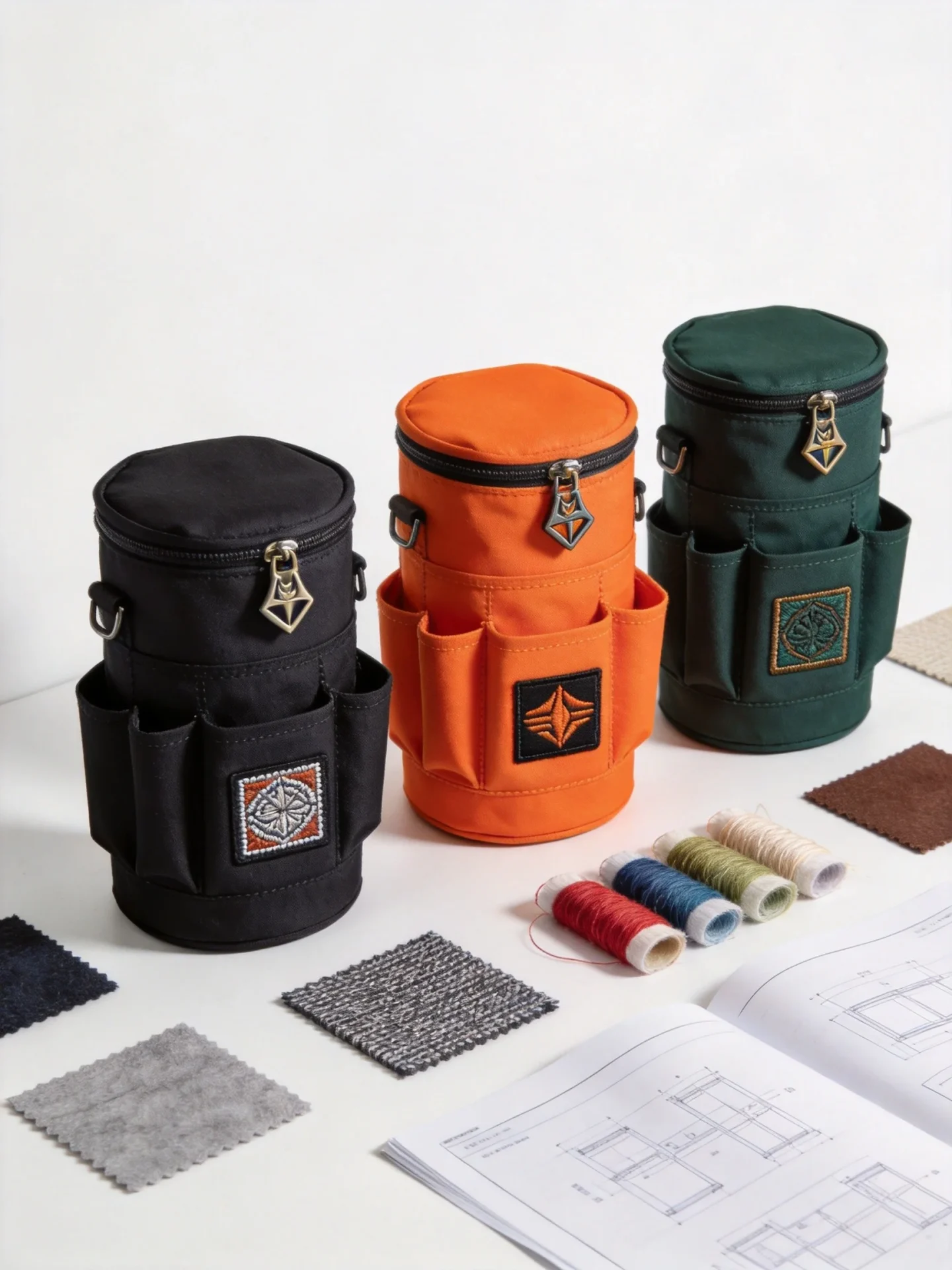
OEM (Original Equipment Manufacturing) is buyer-led production. You provide the complete design — tech pack, material specifications, hardware details, logo artwork, packaging requirements — and the factory manufactures the bag exactly to your specifications.
Think of it as hiring a construction crew to build a house from your architect’s blueprints. You control every detail. The factory provides the labor, equipment, and expertise to bring your vision to life.
How OEM Works in Practice
- You submit a detailed tech pack (technical specification package) including CAD drawings, bill of materials, dimensions, hardware specs, and branding guidelines.
- The factory reviews the tech pack for manufacturability, flags potential production issues, and provides a quotation.
- The factory produces prototype samples for your approval, typically through 2–4 revision rounds.
- Once you approve the golden sample, mass production begins.
- You own 100% of the design intellectual property.
OEM Advantages
- Total design control — Every zipper, pocket, stitch pattern, and material choice is yours to specify.
- IP ownership — Your design is proprietary. You can file patents or copyrights to prevent copycats. No other brand can sell the same product.
- Maximum differentiation — Your product is unique in the market, enabling premium pricing and brand equity.
- Portable supplier relationship — Your tech pack travels with you. If you need to switch factories, you take your specifications to a new manufacturer in 30 days rather than starting from scratch.
OEM Disadvantages
- Higher upfront investment — Design development, sampling fees ($100–$500 per sample), custom molds ($500–$5,000 for custom hardware or EVA shapes), and tech pack creation add up quickly.
- Longer development timeline — Expect 3–6 months from concept to production-ready, including multiple sample rounds.
- Higher MOQ — Custom materials and dedicated production lines typically require 200–500 units minimum, sometimes 1,000+ for complex designs.
- You bear the design risk — Your design is untested. Market acceptance is entirely your responsibility.
OEM Cost Structure
| Cost Element | Typical Range |
|---|---|
| Design and tech pack development | $2,000–$20,000 (if outsourced) |
| Sample fees | $100–$500 per sample round |
| Custom molds and tooling | $500–$5,000 per mold |
| MOQ | 200–500 units (500–1,000 typical) |
| Unit cost (canvas tote) | $8–$15 FOB |
| Unit cost (leather bag) | $40–$150 FOB |
| Total initial investment | $10,000–$100,000+ |
Best Suited For
OEM is the right choice when your competitive advantage is the product itself — when you have proprietary features, unique structural innovations, or when brand differentiation depends on design exclusivity. Established brands with in-house design teams, funded DTC labels, and companies producing technical gear (camera bags, medical equipment cases, specialized sports bags) benefit most from OEM.
What Is ODM Bag Manufacturing?
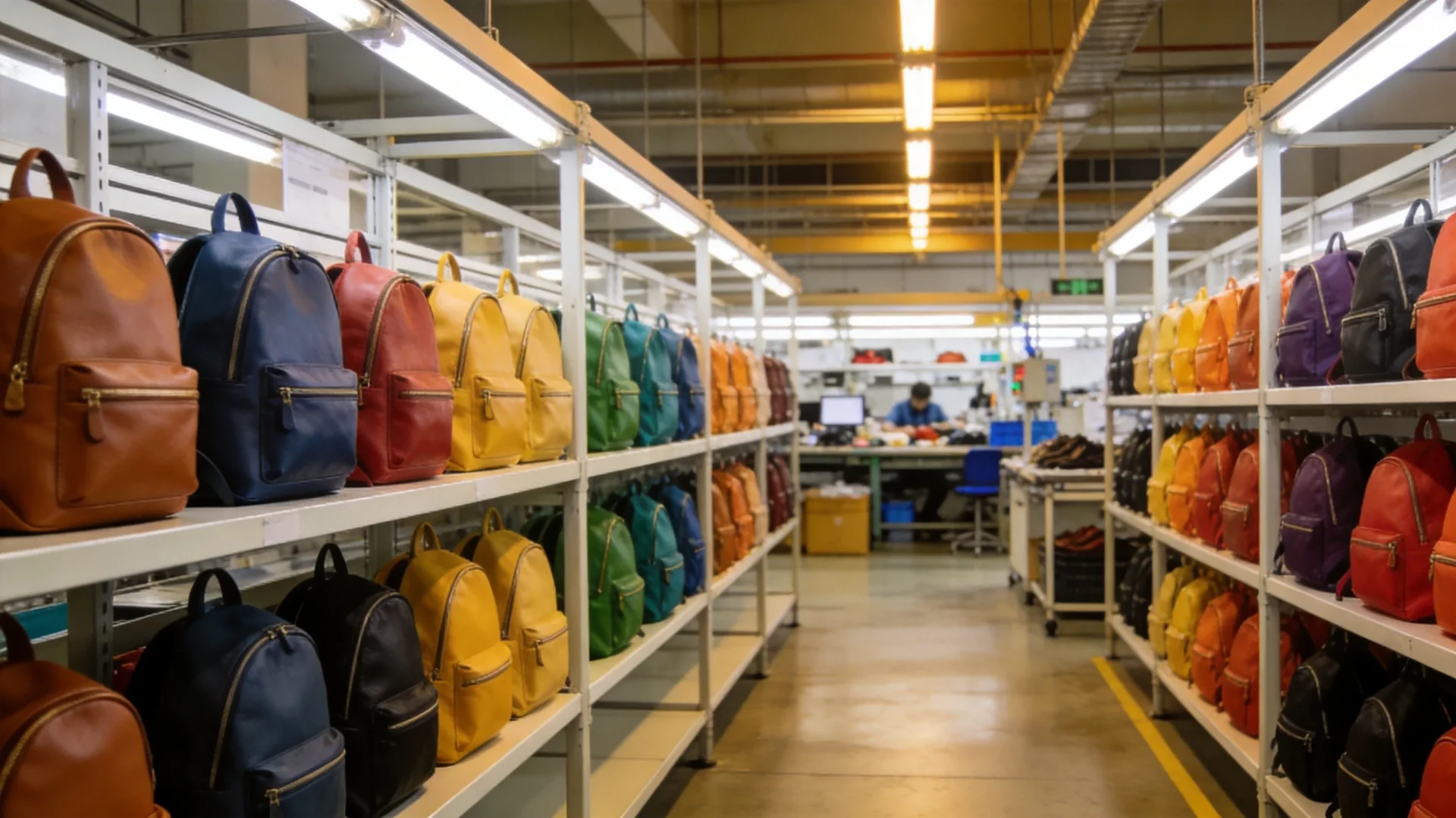
ODM (Original Design Manufacturing) is factory-led production. The manufacturer has already designed a collection of bag styles — patterns cut, construction methods tested, production processes validated. You select a base design from the factory’s catalog and customize it with your choice of materials, colors, hardware finishes, branding, and sometimes dimensional modifications.
Think of it as buying a model home and choosing the paint color, fixtures, and finishes. The structure is already built; you personalize it.
How ODM Works in Practice
- The factory presents their catalog of pre-designed bag styles.
- You select a base design and specify customizations — material, color, logo placement, hardware finish, pocket configuration.
- The factory produces a sample with your customizations for approval.
- Once approved, mass production begins.
- The factory retains ownership of the base design; your customization rights are defined by contract.
ODM Advantages
- Speed to market — Patterns already exist, materials are in stock. Development takes 1–3 months instead of 3–6.
- Lower R&D cost — No design fees, no custom mold costs (or minimal costs for exclusive colorways). Sample fees typically $50–$200.
- Lower MOQ — Since the factory already has materials and patterns, minimum orders are often 50–200 units.
- Reduced risk — Base designs are usually tested and production-validated. You avoid the costly mistakes of untested prototypes.
ODM Disadvantages
- No design IP ownership — The factory owns the base design. They can sell the same bag to your competitors.
- Limited differentiation — Customization is restricted to branding, colors, and minor modifications. Your product will share its fundamental structure with other brands.
- Higher switching cost — If you need to change suppliers, you must redesign from scratch since you do not own the patterns. Switching factories can take 3 months and $1,500+ in redevelopment costs.
- Price competition — On platforms like Amazon, multiple sellers may offer structurally identical products with different logos.
ODM Cost Structure
| Cost Element | Typical Range |
|---|---|
| Design cost | $0 (designs included in catalog) |
| Sample fees | $50–$200 per sample |
| Mold cost | $0–$500 (if exclusive customization needed) |
| MOQ | 50–200 units |
| Unit cost (canvas tote) | $5–$10 FOB |
| Unit cost (leather bag) | $25–$80 FOB |
| Total initial investment | $2,000–$20,000 |
Best Suited For
ODM is ideal for fast-scaling e-commerce brands, startups testing new product categories, corporate buyers needing custom-branded bags for programs or events, and Amazon FBA sellers who want to validate market demand before investing in proprietary designs. It is also a smart approach for brands entering a new bag category where they lack design expertise.

What Is Private Label Bag Manufacturing?
Private Label manufacturing is the simplest model: you purchase existing, ready-made products from a factory or wholesaler and sell them under your own brand name. The products are typically identical to what other retailers sell, but you control the branding, packaging, labels, and marketing.
Think of it as buying a generic product off the shelf and putting your label on it. No design changes, no structural modifications — just branding.
How Private Label Works in Practice
- You browse the manufacturer’s catalog of finished products.
- You select the styles you want and specify your branding — logo placement, label design, packaging, hang tags.
- The factory applies your branding and ships the finished product.
- You sell under your brand name.
Private Label Advantages
- Lowest upfront cost — Initial investment as low as $500–$5,000. No design fees, no mold costs, minimal sampling expenses.
- Fastest time to market — Products can be ready in 2–6 weeks. Select a style, confirm your logo, and ship.
- Lowest MOQ — Typically 20–100 units, sometimes even lower for stock items.
- Minimal expertise required — No design team, no tech pack knowledge, no engineering input needed.
Private Label Disadvantages
- Zero product differentiation — Your competitors may sell the exact same product with a different logo. Structure, materials, and features are identical.
- No IP protection — You cannot patent or copyright the product design. Anyone can source the same item.
- Lowest margins — Because the product is widely available, competition drives prices down. Private label products typically achieve 30–50% margins compared to 60–80% for OEM-designed products.
- Limited quality control — You cannot specify material grades, stitching standards, or hardware quality. You accept what the manufacturer offers.
- Vulnerability to market saturation — On Amazon, dozens of sellers may list structurally identical products, competing only on price and reviews.
Private Label Cost Structure
| Cost Element | Typical Range |
|---|---|
| Design cost | $0 |
| Sample fees | $20–$100 per sample |
| Mold cost | $0 (shared molds) |
| MOQ | 20–100 units |
| Unit cost (canvas tote) | $3–$7 FOB |
| Unit cost (leather bag) | $15–$50 FOB |
| Total initial investment | $500–$5,000 |
Best Suited For
Private label works for startups testing market demand with minimal capital, promotional product companies needing branded merchandise quickly, retailers adding house-brand accessories, and businesses where the value-add is in marketing and distribution rather than product innovation.
OEM vs ODM vs Private Label: Comparison Table
| Factor | OEM | ODM | Private Label |
|---|---|---|---|
| Design Control | Full creative freedom | Limited to catalog options + modifications | Branding and packaging only |
| Design IP Ownership | You own it entirely | Factory owns base design | No design IP |
| Customization Depth | Unlimited — structure, materials, hardware, every detail | Moderate — colors, materials, branding, some structural changes | Minimal — logo, labels, packaging |
| Cost Level | $$$ (Highest upfront) | $$ (Moderate) | $ (Lowest) |
| MOQ | 200–500 units (500–1,000 typical) | 50–200 units | 20–100 units |
| Lead Time (New Style) | 90–180 days | 45–90 days | 14–42 days |
| Development Time | 3–6 months | 1–3 months | 2–6 weeks |
| Sample Cost | $100–$500 per round | $50–$200 per round | $20–$100 per round |
| Unit Cost (Canvas Tote) | $8–$15 | $5–$10 | $3–$7 |
| Unit Cost (Leather Bag) | $40–$150 | $25–$80 | $15–$50 |
| Total Initial Investment | $10,000–$100,000+ | $2,000–$20,000 | $500–$5,000 |
| Product Uniqueness | Maximum — no competitor has the same product | Moderate — base design shared with other brands | None — identical products sold by multiple brands |
| Supplier Switching Cost | Low — take your tech pack to a new factory | High — must redesign from scratch | Very low — source same product elsewhere |
| Profit Margins | Highest (60–80%) | Moderate (40–60%) | Lowest (30–50%) |
| Best For | Product-led brands, established labels | Fast-scaling brands, category expansion | Market testing, promotional products |
Decision Framework: How to Choose Based on Your Brand Stage
For Startup Brands
Recommended: Start with ODM or Private Label, then graduate to OEM.
As a startup, your priorities are speed to market and capital preservation. You need to validate demand before investing heavily in proprietary designs.
- If you have a clear, unique product vision and sufficient funding ($20,000+), go directly to OEM for your hero product. Your differentiation is your competitive moat from day one.
- If you are testing a new market or category, start with ODM to validate demand with lower risk. Once you identify winning styles, invest in OEM versions with stronger differentiation.
- If capital is extremely limited (under $5,000), use private label to build initial revenue and customer feedback, then reinvest into OEM development.
Many successful bag brands follow this trajectory: launch with ODM to prove the market, then upgrade best-sellers to OEM as the brand grows. The key is to plan this transition from the start — your initial ODM supplier should be willing to support your transition to OEM when you are ready.
For Growth Brands
Recommended: Hybrid approach — OEM for hero products, ODM for line extensions.
At the growth stage, you have proven demand and need to expand your product range while maintaining differentiation on key items.
- Your signature products — the bags that define your brand — should be OEM with full IP ownership and unique design.
- Complementary products, seasonal variations, and color extensions can use ODM to speed up development and reduce costs.
- Use private label selectively for promotional items, corporate gifts, or test products where differentiation is not critical.
This hybrid model lets you protect your competitive advantage on hero SKUs while moving quickly on line extensions. The cost structure is optimized: you invest heavily where it matters most and save where it does not.
For Mature Brands
Recommended: Primarily OEM with strategic ODM for new categories.
Established brands with market presence should own their designs completely. Your product is your brand identity.
- Core product lines should be 100% OEM with full IP protection, patents where applicable, and exclusive manufacturing agreements.
- When entering new categories where you lack expertise, start with ODM to learn the market, then transition to OEM within 6–12 months.
- Mature brands also have the leverage to negotiate exclusive rights on ODM designs — paying a premium to prevent the factory from selling the same design to competitors.
Common Pitfalls and Misconceptions
Pitfall 1: “ODM means low quality”
This is false. ODM quality depends on the factory, not the model. Many premium factories offer excellent ODM designs that rival OEM products in construction and materials. The limitation is in uniqueness, not quality.
Pitfall 2: “OEM is always better for branding”
Not necessarily. If you lack design expertise, an OEM approach with a poorly designed tech pack will produce a worse product than a well-crafted ODM design. The factory’s in-house design team may have more bag engineering experience than your freelance designer.
Pitfall 3: “Private label has no place in a serious brand strategy”
Private label is a valid market entry strategy. Many successful brands started by selling branded versions of existing products and gradually developed proprietary designs as they grew. The key is to treat private label as a stepping stone, not a destination.
Pitfall 4: “I can switch from ODM to OEM easily”
This is the hidden cost of ODM. Because the factory owns the base design, switching suppliers means rebuilding from scratch — new patterns, new samples, new production validation. Plan your ODM strategy knowing that you may be locked into the supplier relationship for that specific design.
Pitfall 5: “Wholesale custom bags with no minimum” exist
In practice, this is a marketing myth. Real production feasibility always depends on raw material minimums. You cannot buy custom-dyed fabrics for a five-bag order. Any supplier advertising “no minimum” is either using stock materials (private label) or significantly marking up per-unit costs.
Pitfall 6: Confusing OEM with ODM terminology
Some suppliers use “OEM” and “ODM” interchangeably or misleadingly. A factory may advertise “OEM services” but actually expect you to choose from their existing designs with minor modifications. Always clarify: do you own the design, or does the factory? Get this in writing before production begins.
The Hybrid Model: Combining OEM and ODM
The most sophisticated bag brands do not choose strictly between OEM and ODM — they blend both models strategically.
How the Hybrid Model Works
- Hero products use full OEM with proprietary designs, custom materials, and exclusive manufacturing agreements.
- Line extensions (color variations, seasonal editions, simplified versions) use ODM based on the hero product’s design DNA.
- Test products for new categories start as ODM to validate demand before committing to OEM development.
- Promotional items use private label for cost efficiency.
Real-World Example
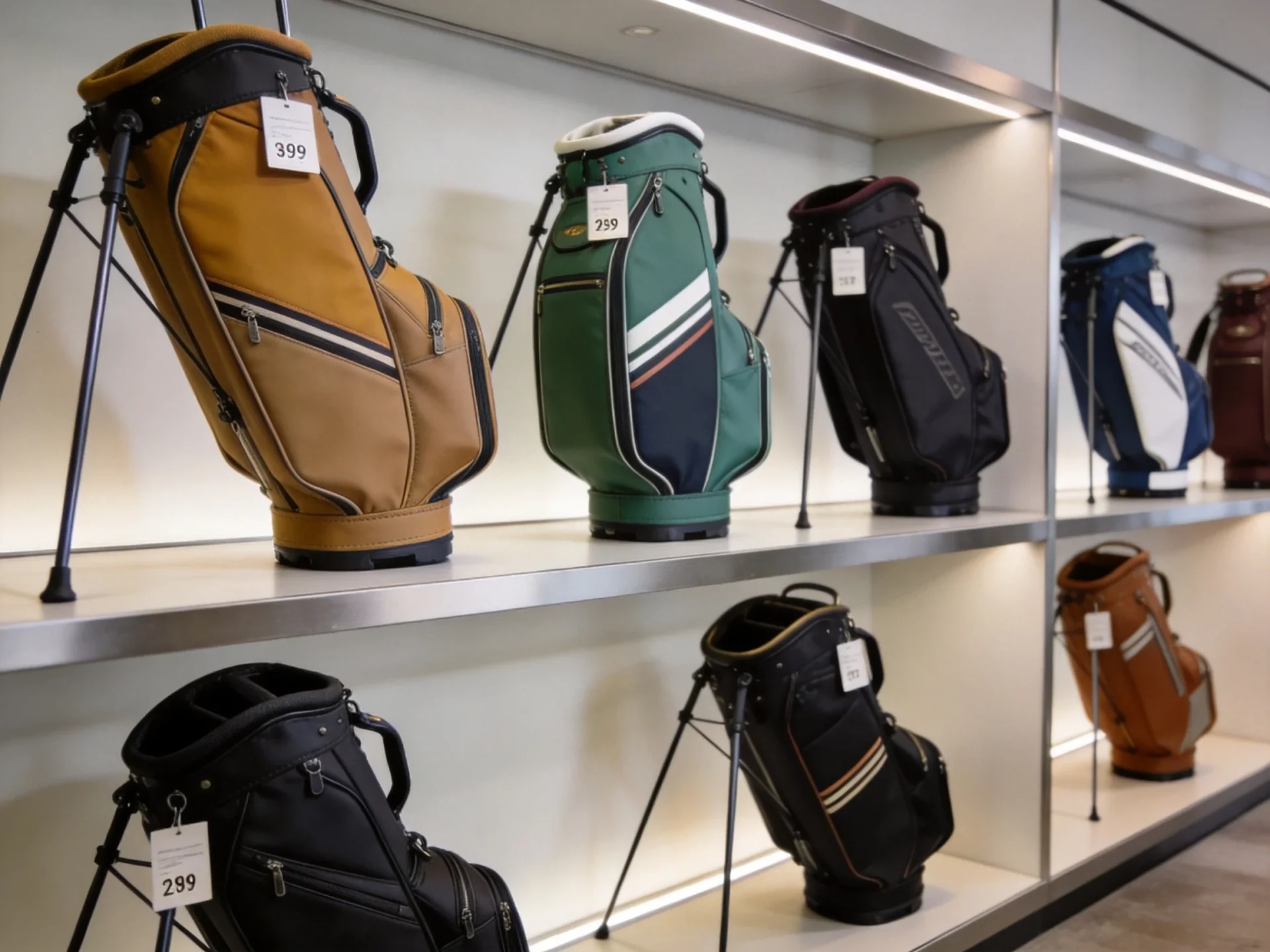
A golf bag brand might use:
– OEM for their premium tour staff golf bag — proprietary design, custom-molded base, unique pocket configuration, patented strap system.
– ODM for their Sunday bag and cart bag line — adapting factory base designs with brand-specific materials and colorways.
– Private label for branded merchandise like equipment bags or travel accessories sold at tournaments.
This approach requires a manufacturing partner capable of supporting all three models. JUNYUAN BAGS, for example, provides both OEM and ODM services from their Quanzhou facility. Their golf bag manufacturing division handles fully custom OEM production, while their broader catalog supports ODM clients who need faster turnaround and lower MOQs.
Key Questions to Ask Before Choosing Your Manufacturing Model
Before starting any custom bag project, answer these questions honestly:
- Do we already have a complete design, tech pack, or physical sample? If yes → OEM. If no → ODM or Private Label.
- What is our timeline? If you need product in under 8 weeks → Private Label or ODM. If you have 3–6 months → OEM is viable.
- What is our budget for development? Under $5,000 → Private Label. $5,000–$20,000 → ODM. Over $20,000 → OEM.
- Is product uniqueness critical to our competitive strategy? If yes → OEM. If your value-add is marketing and distribution → ODM or Private Label may suffice.
- Are we planning repeat orders and scaling? If yes, the upfront OEM investment pays back over time through higher margins and IP protection.
- Do we need proprietary features or materials? If yes → OEM. If standard materials and constructions meet your needs → ODM.
For more details on the sample development process across different manufacturing models, see the bag sample development guide.
Understanding the Cost-to-Value Relationship
The bag manufacturing cost structure follows consistent industry patterns regardless of the model you choose:
| Cost Category | Percentage of Unit Cost | Key Components |
|---|---|---|
| Raw Materials | 45–65% | Fabric, hardware, linings, accessories |
| Skilled Labor | 25–40% | Sewing, QC, cutting, assembly |
| Factory Overhead | 5–10% | Rent, utilities, equipment maintenance |
| Logistics and Waste | 3–5% | Shipping prep, material waste, packaging |
In OEM production, you control the material specifications and can optimize the cost-to-value ratio by choosing materials that match your quality targets without overspecifying. In ODM and private label, you are limited to the factory’s standard material options, which may include unnecessary cost savings in areas that affect durability — or unnecessary premium materials in areas that do not matter.
For additional guidance on selecting a manufacturing partner that supports your chosen model, explore custom bag manufacturing options.
Frequently Asked Questions
Can I start with ODM and later switch to OEM for the same product?
Yes. Many projects begin with ODM support during the development phase. After the design, materials, and specifications are validated through ODM sampling, repeat orders can transition to an OEM agreement where you own the finalized design and tech pack. This is a common and smart approach for brands validating new product categories.
Who owns the mold in OEM manufacturing?
In standard OEM agreements, you own the mold after paying for it. Get this in writing. The mold should be stored at the factory for future production but remain your property. Always request mold documentation and photos. In ODM arrangements, the factory typically owns the molds unless you negotiate exclusive rights.
Is OEM always more expensive than ODM?
At low volumes (under 500 units), OEM is almost always more expensive due to higher development costs, sampling fees, and custom tooling. However, at higher volumes (5,000+ units), the per-unit cost gap narrows significantly because the upfront development costs are amortized across more units. For long-running products with sustained demand, OEM often achieves better total cost of ownership.
What MOQ should I expect for each model?
Private label typically has the lowest MOQs (20–100 units), followed by ODM (50–200 units), and OEM (200–500 units or higher for complex designs). Some factories offer lower OEM MOQs for simpler constructions. Always ask for tiered pricing — moving from 500 to 5,000 units typically reduces per-unit cost by 25–35%.
How do I protect my design when using OEM manufacturing?
Sign a comprehensive manufacturing agreement that includes: (1) IP ownership clauses stating all designs, molds, and tooling are your property; (2) non-disclosure agreements preventing the factory from sharing your designs; (3) exclusivity clauses preventing the factory from selling similar designs to competitors; and (4) registered trademarks and design patents in both China and your target market.
Looking for a bag manufacturing partner that supports both OEM and ODM models? JUNYUAN BAGS offers full-service bag manufacturing from their BSCI-certified Quanzhou facility — with 200,000 units monthly capacity, Disney and Walmart supplier approval, and the flexibility to support your brand at every stage of growth. Explore their custom bag manufacturing services or request a quote for your next project.