
Vessel vs Titleist Golf Bags: Which Premium Is Worth It?
A factory-side comparison of the two most-respected premium golf bag names — materials, craftsmanship, tooling, and whether the price actually buys you better golf.
Why are Vessel golf bags so expensive? In short, because of premium multi-piece construction and high-end materials (marine-grade PU, micro-suede, thermoformed EVA), combined with strong brand positioning that allows a design and status margin. On average, a premium Vessel golf bag retails at roughly $325–$450 USD while factory build cost is typically $65–$95, a markup of about 300–400% driven by 4 key factors: materials (~45%), labor (~25%), tooling (~10%) and brand margin (~20%). These are industry-placeholder figures drawn from typical BOM (bill-of-materials) benchmarks and public retail pricing for premium cart and stand bags — actual numbers shift with model, quantity, and specification, and specific tariff figures are not stated here because they depend on route and HS classification.
TL;DR — Quick Answer
- Vessel = the luxury/fashion premium. Beautiful materials, soft-touch feel, statement silhouettes. You pay for the look and the label.
- Titleist = the tour-proven premium. Bomb-proof durability, tour-spec pocket engineering, slightly lower price for equivalent build quality.
- Both are manufactured largely through contracted Asian factories (China, Vietnam and peers) with US design teams — the same supply ecosystem that builds non-branded premium bags.
- Verdict: Both are worth it if heritage or aesthetics genuinely move you. If you want the premium feel at 40–60% of the price, a factory-built OEM cart or stand bag in matching material grades delivers most of the experience.
1. Vessel vs Titleist at a Glance
Before we go to the factory floor, here is the 10-second comparison. Both brands sit at the top of the golf-bag price pyramid, but they take different roads to get there. Vessel aims for the luxury carry customer who treats the bag like a piece of apparel; Titleist aims for the competitive golfer who treats the bag like an extension of their clubs.
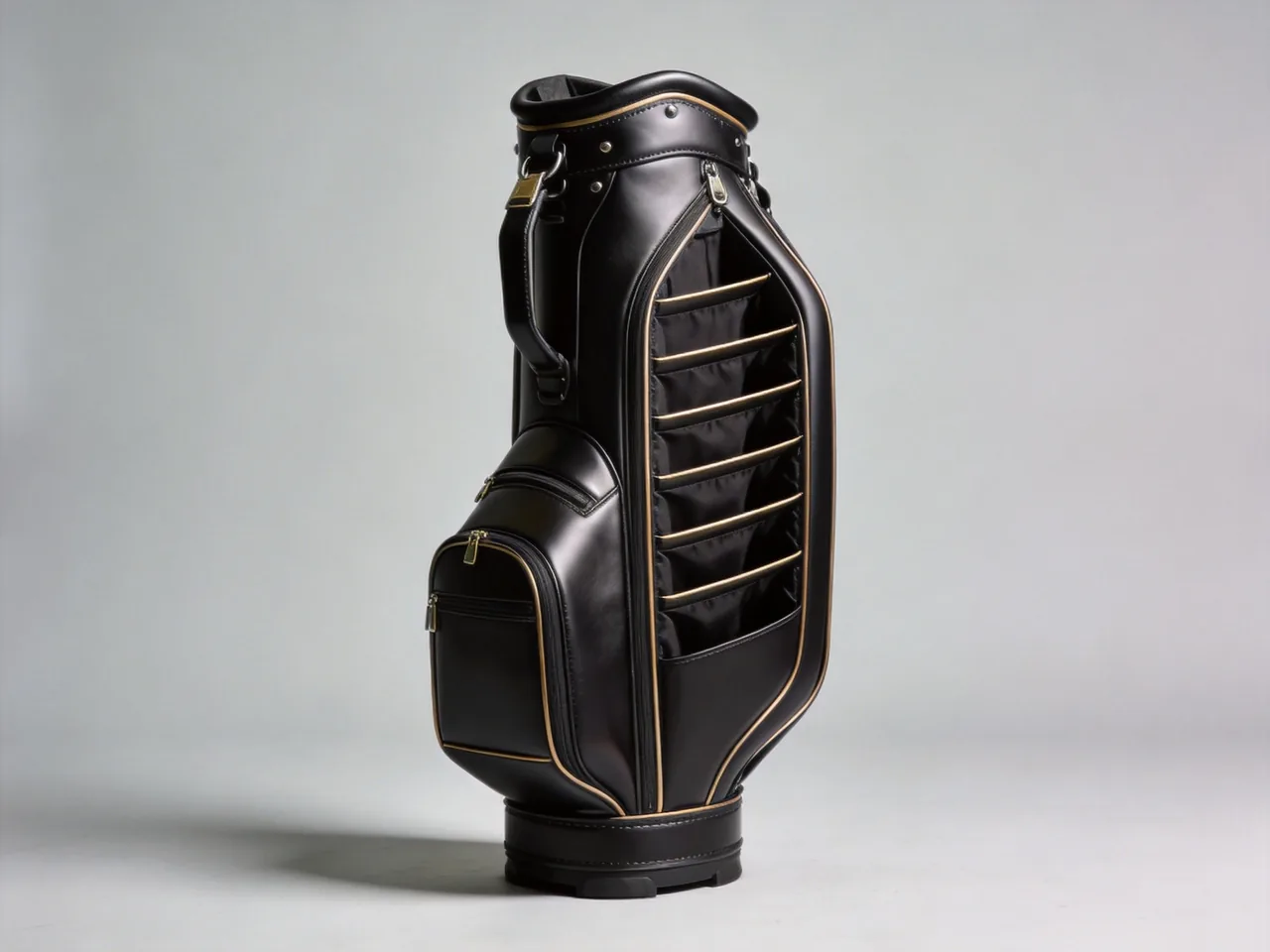
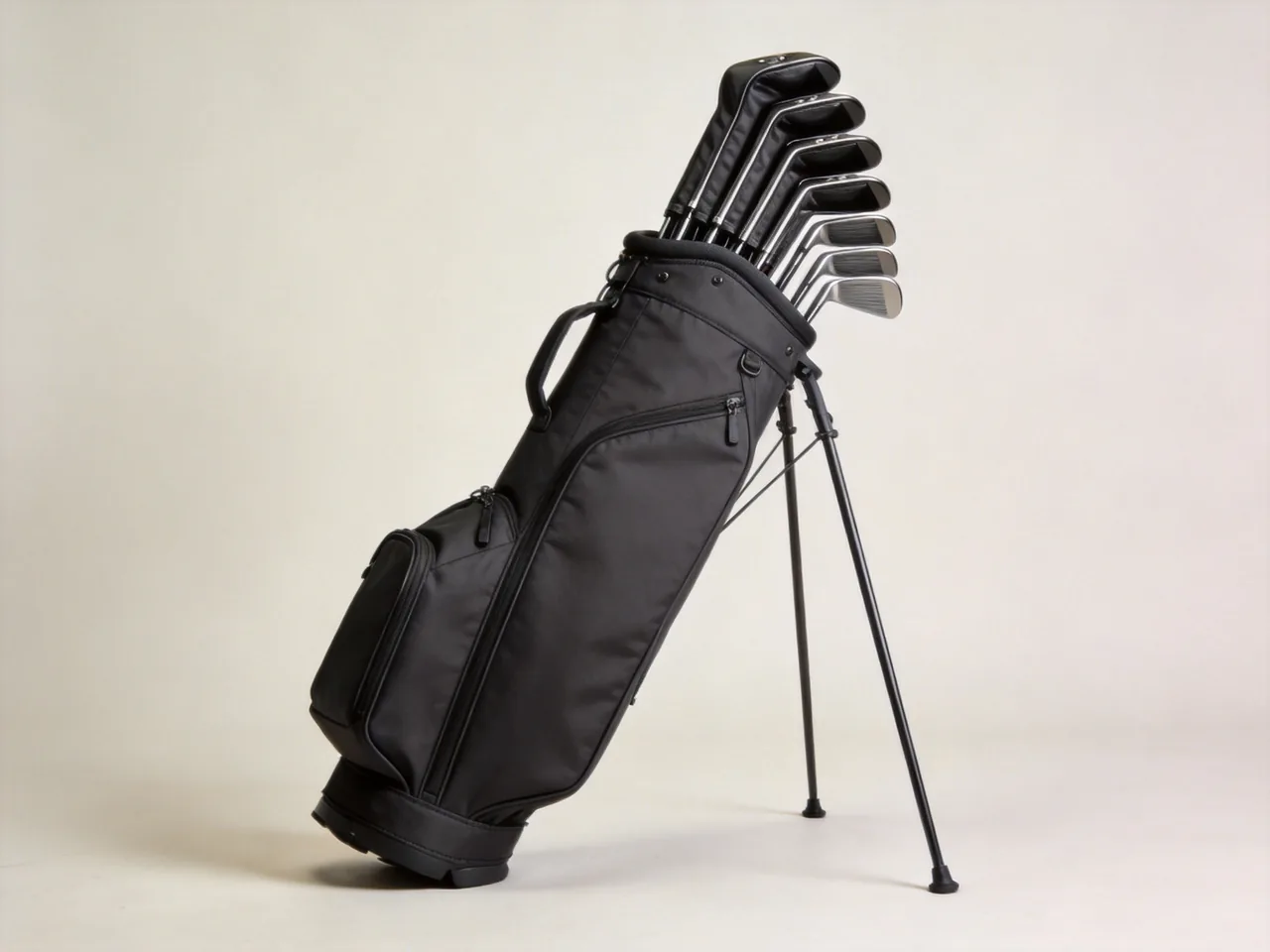
| Criterion | Vessel | Titleist |
|---|---|---|
| Positioning | Luxury / fashion-forward | Tour-proven / performance |
| Typical retail (cart & stand) | approx. $325–$450 | approx. $220–$380 |
| Signature materials | Marine-grade PU, micro-suede, dense EVA | High-count nylon, velour liners, TPU molding |
| Dividers | 14-way full-length (top models) | 14-way full-length (top models) |
| Durability focus | Soft-touch & visual quality | Impact & long-haul reliability |
| Best for | Style-driven golfers | Competitive/travel golfers |
| Estimated factory build cost | approx. $70–$95 | approx. $65–$90 |
2. Why Is Vessel So Expensive? Two Honest Reasons
Strip the marketing away and the Vessel premium really comes down to two things: what is in the bag, and what is around the bag.
Reason 1 — The materials and the build
Vessel does not cut corners on hide and textile. The brand leans on marine-grade full-grain PU, which mimics rich leather while staying lighter and weather-resistant; micro-suede overlays for a velvety touch on cuffs and pockets; and thermoformed, die-cut EVA foam that gives the bag its sculpted, structured shell. Hardware is high-density zips and plated buckles rather than budget nylon pulls. Each of these choices moves the materials line of the BOM up — and materials are the single biggest slice of cost at roughly 45%.
Reason 2 — Tooling and hand assembly
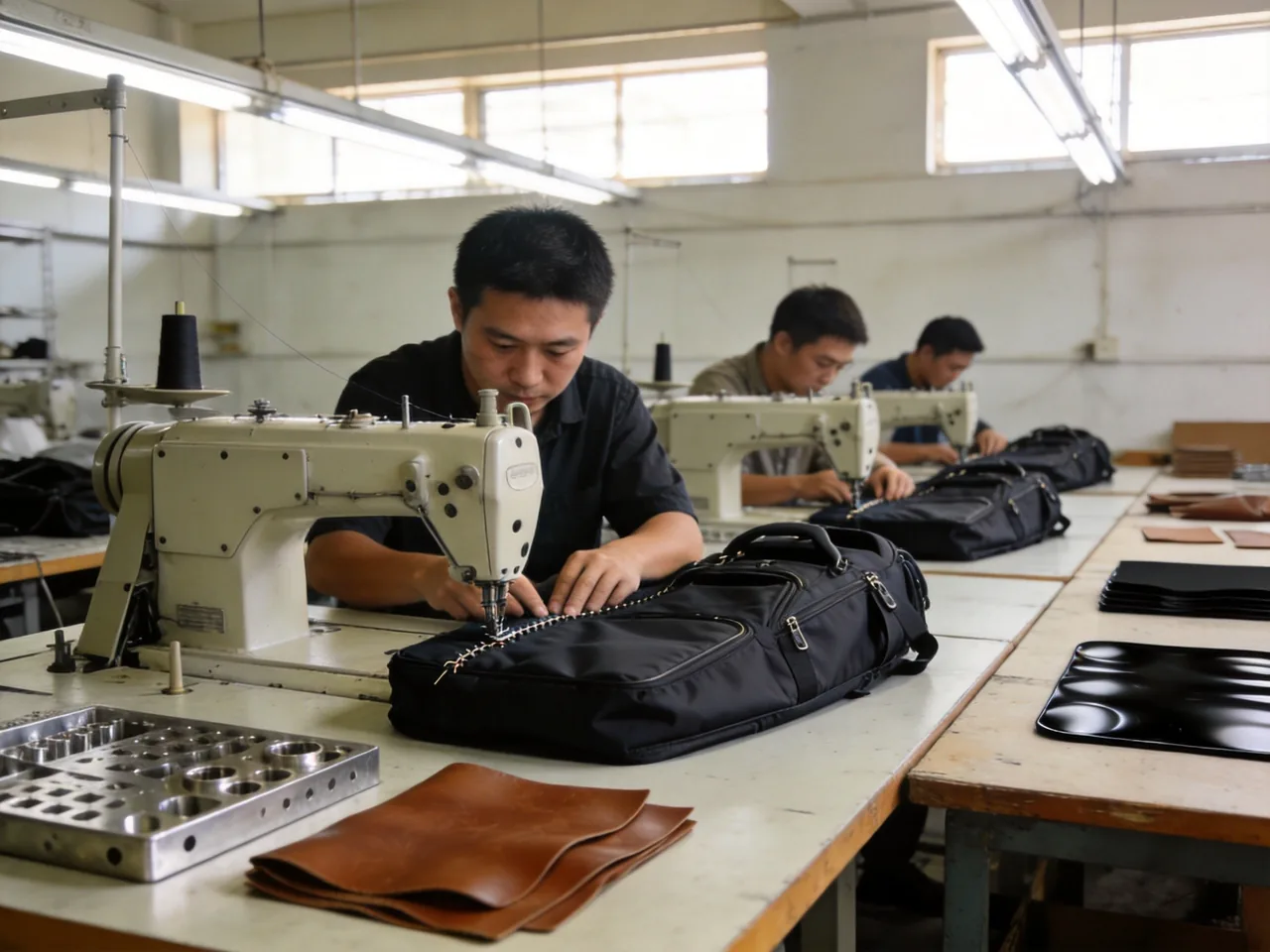
That sculpted shell is not cheap to make. Creating the base molds, steel rule die sets and thermoform tooling for a premium bag line is a real capital outlay, particularly on shorter runs. On top of that, premium bags still rely heavily on skilled operators for panel joining, edge binding, reinforcement patching and final QC — skilled labor that does not scale like a cheap tote. Add shipping responsibility (freight is where a large part of landed cost hides), packaging, and a quality-control ratio far tighter than fast-fashion mass production, and the unit cost climbs.
Reason 3 — The brand margin (and it’s a big one)
Here is the uncomfortable truth: a meaningful slice of the $325–$450 price is brand margin, not hard material. Distribution, advertising on tour and social feeds, retail shelf placement, marketing teams and the aspirational `Vessel` name all sit on top of the physical product. That is not a criticism — brand building is expensive and legitimate. But it means roughly a fifth of what you pay (in our placeholder split, about 20%) has nothing to do with fabric, stitching or steel.
3. The Factory Breakdown: What You Actually Pay For
Because we build golf bags for a living, here is a working model of where the money really goes in a premium 14-way cart or stand bag. Treat these as typical industry ranges, not quoted prices for a specific order — your real BOM depends on fabric grade, quantity and add-ons.
3.1 Material comparison (Vessel-style vs Titleist-style build)
| Component | Vessel-style build | Titleist-style build | Relative cost |
|---|---|---|---|
| Outer fabric | Marine-grade smooth PU / micro-suede | High-count ripstop nylon, TPU panels | Medium–high |
| Padding / structure | Thermoformed die-cut EVA shell | Rolled PE foam + internal frame | Medium–high |
| Zippers | High-density plated zips | #8–#10 coil/vislon tour zips | Medium |
| Hardware | Plated buckles, SS hooks | Reinforced plastic / metal combo | Low–medium |
| Liners | Velour/micro-fiber pocket liners | Velour-lined valuables pockets | Low–medium |
| Base & frame | Composite + slide-on base plate | HDPE base, weighted stability | Medium |
| Dividers | 14-way padded full-length | 14-way full-length velour | Medium |
3.2 Manufacturing process — a premium bag in 8 steps
- Design & pattern engineering — 2D/3D drafting, technical packs and seam mapping for the shell.
- Tooling & die cutting — base molds, thermoform dies and steel rule patterns are cut for every panel.
- Cutting — leather-grade PU, nylon and foam stack cut to tolerance.
- Lamination & thermoforming — EVA panels shaped into the sculpted shell on heated tooling.
- Stitching & panel joining — sewing lines assemble body, pockets and reinforced stress points.
- Binding & edging — edge binding and piping applied for that clean, premium finish.
- Hardware & zipper fit — plated zips, buckles and dividers installed and tension-tested.
- QC, packing & carton — load/stitch inspection, drop testing, polybag + export carton, ready for freight.
3.3 Tooling & cost model table
| Cost pool | What it covers | Typical share / unit range |
|---|---|---|
| Materials | Fabric, PU/leather-grade hide, foam, hardware, zippers | ~45% (approx. $28–$42) |
| Labor | Cutting, stitching, assembly, QC staff hours | ~25% (approx. $12–$20) |
| Tooling amortization | Molds, dies, jigs, first-article sampling spread over order | ~10% (approx. $4–$8) |
| Packaging & overhead | Boxes, labels, factory margin, utilities | ~20% (approx. $10–$20) |
4. So, Is the Premium Worth It? An Honest Verdict
Buy Vessel if: the bag is part of your identity on the course, you value soft-touch luxury and a fashion-forward silhouette, and a statement piece is worth $325–$450 to you. You are buying an experience and a label as much as a container for clubs.
Buy Titleist if: you want tour-proven durability, optimized pocket layouts and a heritage brand that holds resale value, and you prefer reliable engineering over luxury feel at a somewhat lower price.
Skip the brand tax if: you are a club-first golfer, a retailer building value, or a brand owner, and the material + construction premium matters more than the logo. In that case a factory-built premium bag in comparable grades delivers roughly 80–90% of the experience for 40–60% of the money.
Honestly: neither bag will lower your handicap. What the premium does buy is confidence, comfort, and — in the case of true tour-spec builds — genuine durability and organization. The math only flips in your favor the moment you stop paying the brand margin for a product a qualified partner factory can match.
If you travel or ride a cart most weeks, invest in base rigidity, divider quality and pocket security over surface finish. If you walk and carry, weight and strap comfort trump everything else in the comparison. The best premium bag is the one whose milliseconds of behavior — leg deployment, zip glide, how the strap sits pin- and twist-free on your shoulder — quietly disappear while you think about your next shot. Hold that standard and you will know immediately whether a $400 logo or a $180 near-equivalent is the right call for your wallet.
Stand vs Cart, Pockets & Waterproofing — What the Spec Sheet Misses
Before you commit to a brand, decide the type of bag you actually need, because Vessel and Titleist each sell both stand bags and cart bags, and the two are built differently under the skin. A stand bag is engineered around weight and balance: light composite legs, a hidden leg mechanism welded into the lower housing, a hip pad, and a wider stance at rest so the bag does not tip on slopes. Every gram of steel in the leg system, every density choice in the back-pad foam, and every strap-seat junction is a small engineering decision that shows up in both weight and price. A cart bag, by contrast, prioritizes storage and stability: a wide, rigid base plate, a padded top cuff that fits cart straps without bunching, and a front-facing organization panel for the most-reached accessories.
Pocket engineering is where the two philosophies separate most visibly. Top-tier bags typically move from a simple “five pocket” layout toward a more deliberate system: a velour-lined valuables pocket that actually closes securely, an insulated beverage pocket, a magnetic or quick-access rangefinder pocket on the hip, and one large apparel compartment with enough gusset to swallow a full rain layer. On a 14-way full-length divider system, the emphasis shifts from club count to club protection — individual full-length tubes reduce club chatter that can wear graphite shafts and nick steel. Some buyers even prefer a 6-way or 4.5-way divider for easier club access during play, which is a perfectly valid and cheaper choice.
Waterproofing deserves its own paragraph because it is frequently oversold. “Water-resistant” and “waterproof” are not the same claim, and the difference lives in taped seams, YKK-style sealed zippers and a DWR-coated outer shell rather than in a catchy product name. A genuinely rugged, all-weather bag uses sealed zipper tapes and construction that sheds rain at the panel seams; a merely decorative one absorbs moisture at the stitching line and adds weight. When you read a spec sheet, look for the actual construction details — seam taping, zip rating, coating — instead of trusting a single adjective.
5. The Smarter Buy: Factory-Built Premium / OEM-ODM
Here is where the sourcing view pays off. The same factories that produce premium bags around the world also supply private-label and OEM buyers — retailers, course shops, pro shops, corporate programs and emerging brands. By ordering through a trading company or partner factory you still get the material grades, the 14-way dividers, the thermoformed shell and the QC checks, but you pay factory cost plus an agreed margin instead of the full retail brand premium.
For a golf-bag OEM-ODM build, our affiliated factory — custom golf bag — and our OEM-ODM service regularly take buyers from a single first-article sample to full carton production on the exact kind of premium spec discussed here. If you are evaluating Vessel-style or Titleist-style builds for value, we are happy to cost a comparable BOM with you.
6. FAQ — Vessel vs Titleist
- Why are Vessel golf bags so expensive? Premium materials (marine-grade PU, micro-suede, dense EVA), labour-heavy hand assembly, and a brand-positioning margin. Typical premium retail lands around $325–$450 while factory build cost is about $65–$95.
- Is Vessel better than Titleist? Different premium axes — Vessel leads on luxury materials and silhouette; Titleist on tour-proven durability and organization. Choose by priority.
- Are Vessel golf bags worth the money? Yes if you value the statement and label; otherwise the factory-built equivalent returns most of the experience at lower cost.
- What materials are these bags made of? Marine-grade smooth PU and micro-suede (Vessel); high-count nylon with TPU panels (Titleist); both with dense foam structure and plated hardware.
- Where are Vessel and Titleist made? Both rely largely on contracted Asian factories with US-based design and QC — an ecosystem that also makes non-branded premium bags.
- Can I get the same look for less? Yes, through a golf-bag OEM partner using the same material grades and construction steps at factory cost plus margin.
- How much does a premium golf bag cost to build? Typically $65–$95 per unit: materials ~$28–$42, labor ~$12–$20, tooling ~$4–$8, packaging/QC ~$5–$8.
- What about dividers and storage? Both top models offer 14-way full-length dividers; Vessel adds luxury liners, Titleist adds tour-spec pocket organization.
Design It, Build It, Private-Label It
Whether you are a golfer who wants premium feel without the brand tax, or a retailer/startup building a house golf line, a factory-built OEM cart or stand bag in the exact material grades and construction steps above is within reach.