For golf brands, retailers, and promotional product distributors, a custom golf bag logo is more than just decoration — it is the cornerstone of brand recognition on the course. Whether you are outfitting a professional tour team, launching a private-label line, or producing corporate gift bags for a golf tournament, the branding method you choose directly impacts perceived quality, durability, and cost efficiency at scale.
As a custom golf bag manufacturing partner with over a decade of experience, JUNYUAN has executed thousands of branding projects across embroidery, screen printing, heat transfer, and beyond. This guide breaks down every major custom golf bag logo and branding method available to B2B buyers — including process details, cost ranges, MOQ impact, and real-world application scenarios — so you can make informed sourcing decisions for your next production run.
Overview of Logo Application Methods for Custom Golf Bags
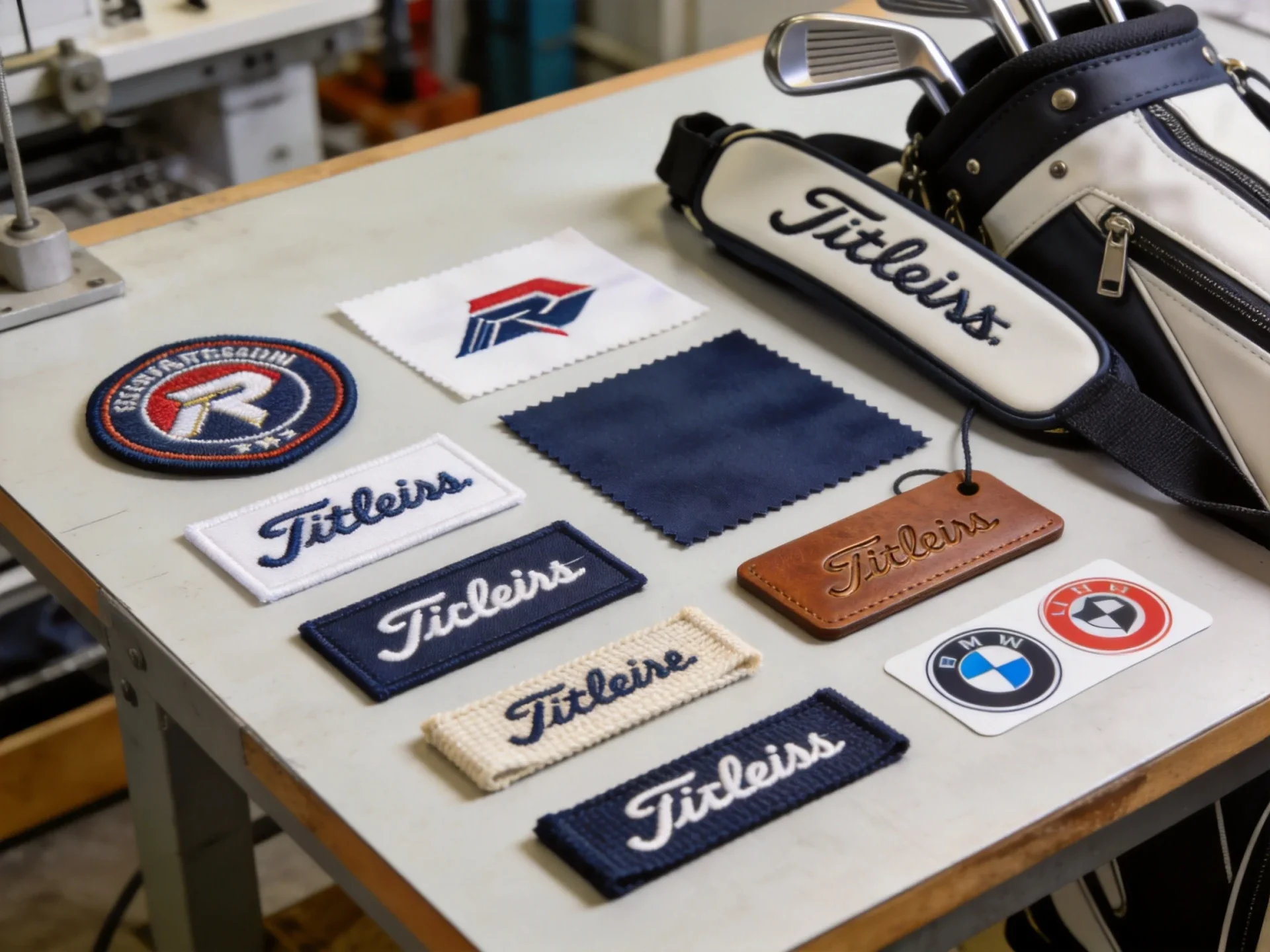
The golf bag industry supports a wide range of logo application techniques, each with distinct advantages depending on your material choice, design complexity, order quantity, and target price point. Below is a quick-reference overview of the six most common branding methods used in custom golf bag manufacturing:
- Embroidery — Thread-based stitching that creates a premium, textured logo. Ideal for corporate and luxury brands.
- Screen Printing — Ink pushed through a mesh stencil onto fabric. Cost-effective for large runs with simple color logos.
- Heat Transfer (Heat Press) — A printed film is thermally bonded to the bag surface. Great for photorealistic or multi-color designs.
- Woven Patches & Labels — Pre-made fabric patches sewn or heat-adhered to the bag. Offers a classic, high-end look.
- Laser Engraving — A laser beam etches the logo directly into leather or synthetic leather. Permanently bonded, ultra-premium finish.
- Dye Sublimation — Ink is sublimated into polyester fabric under heat, producing vibrant, full-color graphics that will never crack or peel.
Each method has unique strengths. The sections below dive into the technical details, cost structure, and ideal use cases for each approach.
Embroidery: The Gold Standard for Premium Golf Bag Branding
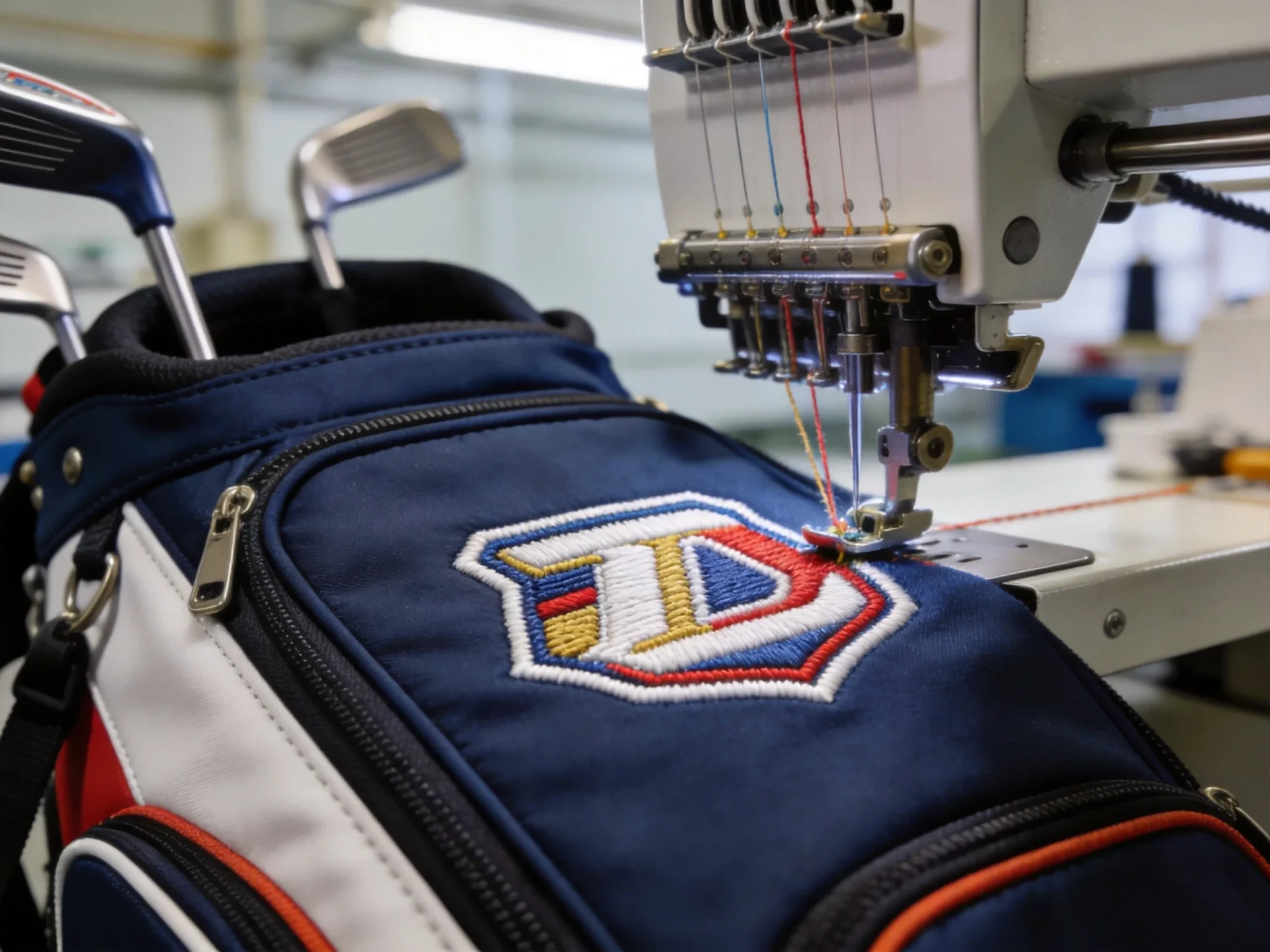
Embroidery remains the most popular logo method for premium and mid-range custom golf bags. The process uses computerized multi-needle machines to stitch your brand logo directly into the bag fabric or a dedicated logo panel. Thread colors are matched to your brand palette using industry-standard systems such as Pantone or Madeira rayon thread charts.
Process Overview
The embroidery workflow begins with digitizing your logo file into a stitch path using specialized software (such as Wilcom or Tajima DG/ML). Once the stitch file is programmed, the machine automatically sews the design onto the golf bag panel. Typical stitch counts for a golf bag logo range from 3,000 to 12,000 stitches, depending on design complexity and logo size.
Advantages
- Professional, upscale appearance that elevates brand perception
- Extremely durable — survives years of outdoor use, UV exposure, and cleaning
- Works on virtually all golf bag materials: nylon, polyester, leather, synthetic leather, and canvas
- Available in standard flat embroidery or 3D puff embroidery for added dimension
Limitations
- Not suitable for photorealistic images or gradient color transitions
- Higher setup cost for digitizing; typically $50–$150 per logo design
- Small text below 4mm may not reproduce clearly
Best Applications
Embroidery is the go-to choice for tour staff bags, premium cart bags, corporate-branded giveaway bags, and private-label programs where perceived quality is paramount. Brands like Titleist, Callaway, and TaylorMade all use embroidered logos on their flagship lines.
Screen Printing vs Digital Printing on Golf Bags
Screen Printing
Screen printing (also called silk screening) pushes plastisol or water-based ink through a fine mesh screen onto the golf bag surface. Each color in your logo requires a separate screen, which makes this method most economical when you have 1–3 spot colors and larger quantities (500+ units).
Key strengths: Low per-unit cost at scale, vibrant opacity on dark fabrics, excellent color matching. Key limitations: Screen setup fees ($30–$80 per color), not viable for complex gradients or photo imagery, and the ink layer can feel slightly raised on the surface.
Digital (DTG/DTF) Printing
Digital printing technologies — including Direct-to-Garment (DTG) and Direct-to-Film (DTF) — have become increasingly popular for golf bag branding, especially when designs involve full-color graphics, photographic elements, or small-batch orders. DTF in particular has gained traction because it works on both light and dark fabrics without color-specific setup.
Key strengths: No screen setup, unlimited colors, ideal for orders under 200 units, fast turnaround. Key limitations: Higher per-unit cost than screen printing at volume, slightly lower wash/abrasion resistance compared to screen printing or embroidery.
Heat Transfer: Full-Color Branding with Durability
Heat transfer (or heat press) branding involves printing your logo onto a specialty transfer film using solvent-based or eco-solvent inks, then using a calibrated heat press to bond the image permanently to the golf bag surface. The result is a smooth, flexible print that can reproduce photorealistic artwork with no color limitations.
This method is particularly popular for promotional golf bags with event-specific graphics, tournament sponsor logos, or seasonal limited-edition designs. Modern heat transfer films have improved dramatically in flexibility and wash resistance — a quality heat transfer will last the lifetime of the bag without cracking or peeling under normal use conditions.
Cost range: $0.30–$1.50 per unit depending on logo size and film quality. Setup is minimal (just the digital film output), making it ideal for orders of 50–500 pieces.
Patches, Labels & Custom Hardware: The Detail-Driven Approach
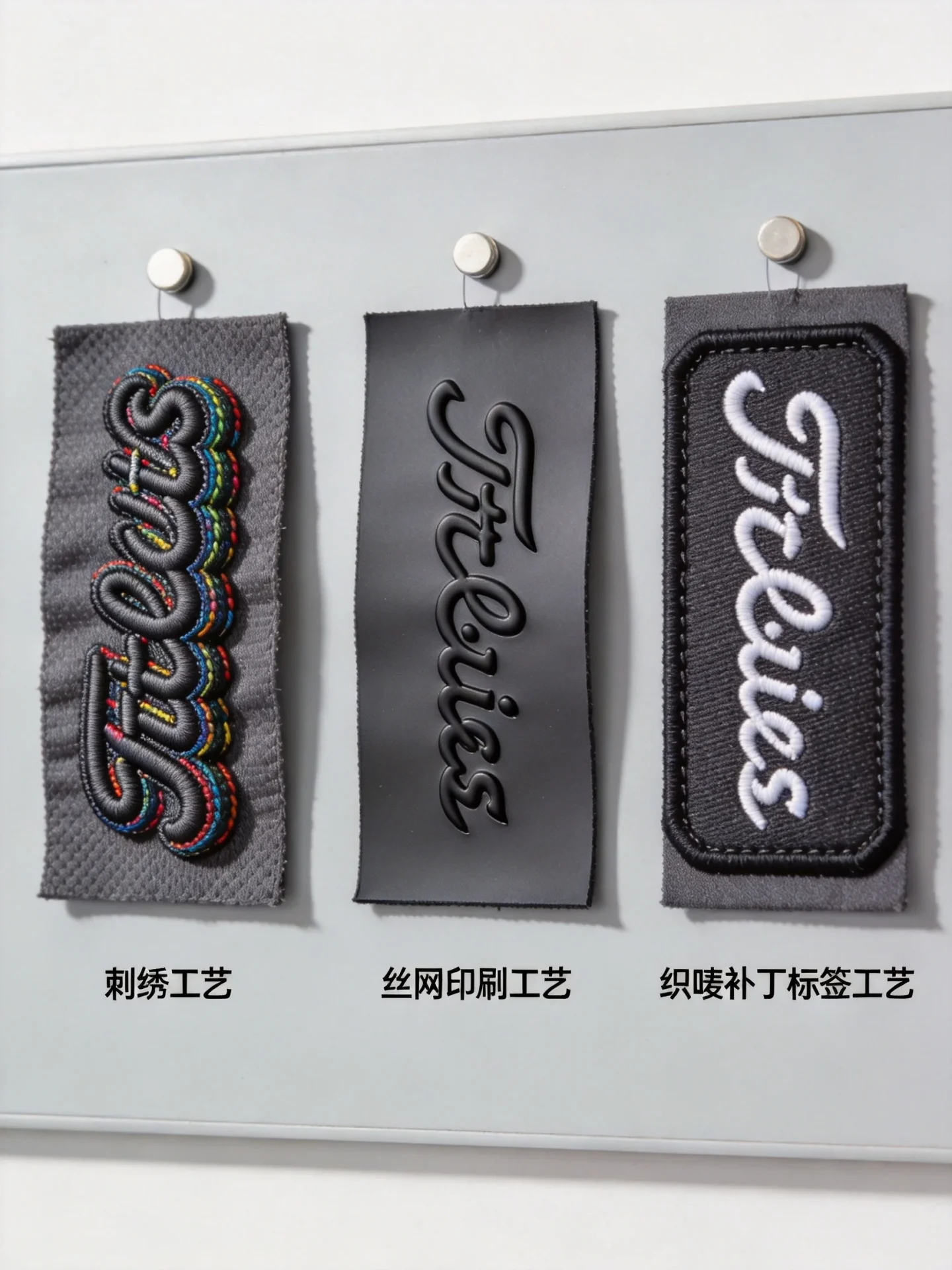
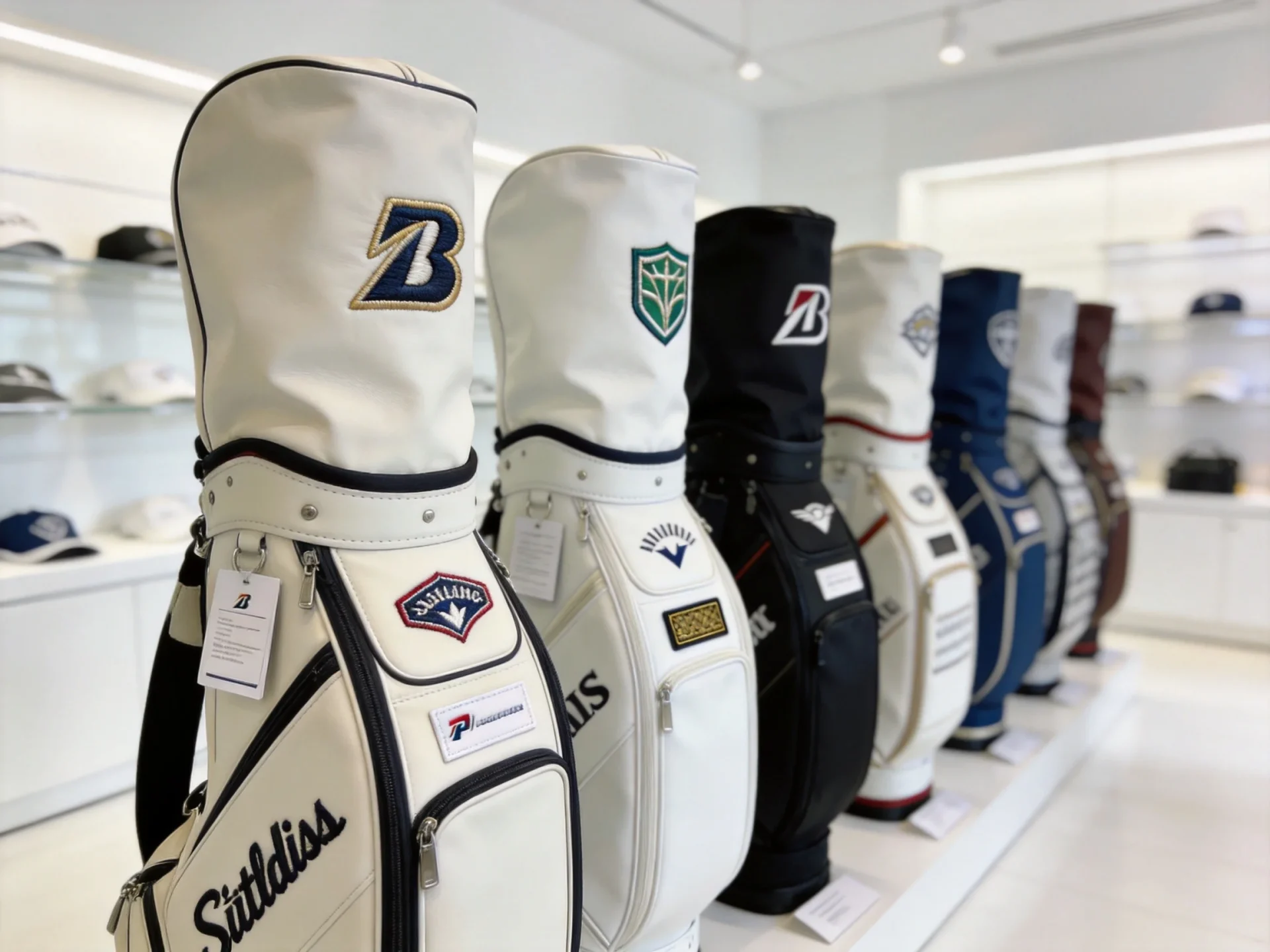
For brands that want maximum visual impact and a tactile, premium feel, woven patches, embroidered patches, leather labels, and custom hardware (such as branded zipper pulls, rivets, and metal badge plates) offer unmatched branding versatility.
Woven & Embroidered Patches
Patches are produced separately and then sewn, heat-bonded, or Velcro-attached to the golf bag. They can be made with merrow borders (overlocked edges) or laser-cut clean edges. Patches are favored by lifestyle and heritage golf brands that want a classic, vintage, or military-inspired aesthetic.
Leather & PU Labels
Debossed, hot-stamped, or laser-engraved leather labels add a sophisticated touch to premium golf bags. Genuine leather, PU leather, and vegan leather alternatives are all available. These labels can include your brand name, logo, and even serial numbers for authenticity tracking.
Custom Hardware
Branded metal zipper pulls, magnetic buckle closures, engraved rivets, and custom-molded ABS badge plates serve dual purposes — they reinforce the bag structurally while serving as a persistent brand touchpoint. Custom hardware typically requires a one-time mold investment of $200–$800 but adds significant perceived value.
Cost Comparison by Branding Method
Understanding the cost structure of each branding method is critical for B2B buyers planning production budgets. Below is a comparative cost breakdown based on a typical logo size (approximately 8cm × 5cm) applied to a custom golf bag. Prices reflect per-unit costs at various order quantities:
| Branding Method | Setup Cost | Per-Unit Cost (100 pcs) | Per-Unit Cost (500 pcs) | Per-Unit Cost (1,000+ pcs) |
| Embroidery (standard) | $50–$150 | $2.50–$4.00 | $1.50–$2.50 | $1.00–$1.80 |
| Screen Printing (1–2 colors) | $30–$80/color | $1.20–$2.00 | $0.60–$1.00 | $0.40–$0.70 |
| Heat Transfer | $20–$50 | $1.00–$1.50 | $0.50–$0.90 | $0.30–$0.60 |
| Woven Patch (sewn-on) | $80–$200 | $2.00–$3.50 | $1.20–$2.00 | $0.80–$1.50 |
| Laser Engraving (leather) | $30–$80 | $1.50–$2.50 | $0.80–$1.50 | $0.50–$1.00 |
| Dye Sublimation | $30–$60 | $1.80–$3.00 | $1.00–$1.80 | $0.70–$1.20 |
Note: Prices are estimates based on standard 8cm × 5cm logo applications. Actual costs vary by design complexity, thread/ink count, material type, and supplier pricing structure.
MOQ & Lead Time Impact by Branding Method
Minimum order quantities (MOQ) and lead times are critical factors for B2B buyers, especially when launching a new brand or testing a seasonal product line. Here is how each branding method affects MOQ and production timelines:
- Embroidery: MOQ typically 200–500 pieces per design/colorway. Lead time adds 3–5 days for digitizing and machine setup. Multi-color logos may require thread changes that slightly extend cycle time.
- Screen Printing: Most economical at 500+ units. Each additional color adds a screen and a production pass, increasing lead time by 1–2 days per color.
- Heat Transfer: Lowest MOQ — viable from 50 units. Fastest turnaround since no physical tooling is required. Ideal for rush orders or small-batch event bags.
- Patches & Labels: MOQ 300–500 pieces for custom woven patches. Production of the patch itself takes 5–7 days before application to the bag.
- Laser Engraving: MOQ 200+ pieces. Very fast per-unit processing (seconds per logo), but file setup and material testing add 1–2 days upfront.
- Custom Hardware: Highest MOQ (500–1,000+ pieces) due to mold creation. Mold lead time is 7–15 days, after which per-unit attachment is quick.
For brands managing multiple SKUs or colorways, choosing a branding method with lower MOQ flexibility (like heat transfer or digital printing) can significantly reduce inventory risk during initial product launches.
Design File Requirements for Production-Ready Logos
Providing the correct artwork files is essential to avoid production delays and ensure your custom golf bag logo matches your brand specifications exactly. Here are the file requirements by method:
- Embroidery: Provide vector files (AI, EPS, SVG, or PDF). Your manufacturer will digitize the file into a stitch format (.DST or .EXP). Include Pantone thread color references.
- Screen Printing: Vector files required. Separate each color into its own layer. Include a Pantone Solid Coated reference for each color.
- Heat Transfer: High-resolution raster files (300 DPI minimum, PSD, TIFF, or PNG with transparency). CMYK color mode preferred for accurate color reproduction.
- Patches: Vector files with clearly defined stitch boundaries. Specify border type (merrow, laser-cut, or heat-cut) and backing method (sew-on, iron-on, or Velcro).
- Laser Engraving: Vector files (AI, DXF, or SVG). Specify depth preference and whether you want filled engraving or outline-only.
- Dye Sublimation: High-resolution raster (300+ DPI) in CMYK. Ensure artwork is sized to final print dimensions.
Pro tip: Always request a pre-production sample (also called a “strike-off” or “proof”) before approving bulk production. This allows you to verify logo placement, color accuracy, and overall appearance on the actual bag material.
Frequently Asked Questions
What is the most durable logo method for outdoor golf bags?
Embroidery and laser engraving are the two most durable methods. Embroidered logos are physically stitched into the fabric and will outlast the bag itself. Laser engraving on leather or synthetic leather creates a permanent, fade-proof mark that cannot peel or wash off. For nylon or polyester bags exposed to heavy UV and moisture, embroidery is the top recommendation.
Can I combine multiple branding methods on a single golf bag?
Absolutely. Many premium golf bags use a combination approach — for example, an embroidered main logo on the front panel, a laser-engraved leather label on the side pocket, and custom-branded metal zipper pulls. Combining methods creates a layered, high-end brand experience but will increase both unit cost and production lead time.
What is the minimum order quantity for custom branded golf bags?
MOQ varies by branding method and bag customization level. For heat transfer or digital printing on stock bags, orders as low as 50 units are feasible. For fully custom embroidered golf bags with your own design and materials, typical MOQ starts at 200–300 pieces per colorway. Custom hardware components may require 500–1,000 piece minimums due to mold costs.
How long does it take to produce custom branded golf bags?
Standard lead time for custom branded golf bags is 30–45 days from artwork approval to shipment, depending on order quantity and branding complexity. Rush production (15–25 days) is available at some factories for an additional 10–20% surcharge. Simple branding methods like heat transfer can be completed faster than complex multi-method combinations.
Which branding method offers the best value for promotional or event golf bags?
For promotional events, tournaments, and corporate giveaways where cost and turnaround time are priorities, heat transfer and screen printing offer the best value. Both methods support full-color or spot-color logos at low per-unit costs with minimal setup, making them ideal for one-time or limited-run events where 50–500 bags are needed.
Start Your Custom Golf Bag Branding Project
Choosing the right custom golf bag logo method is a strategic decision that balances brand positioning, budget, and production logistics. Whether you need the premium permanence of embroidery, the versatility of heat transfer, or the detail of laser engraving, JUNYUAN’s team can guide you through the full process — from artwork review and material selection to sampling and mass production.
Ready to bring your brand to the course? Contact JUNYUAN’s B2B team today for a free consultation and sample quote. With 10+ years of custom golf bag manufacturing experience, we help brands worldwide deliver exceptional quality on time and on budget.
? Related: This article is part of our comprehensive guide to Custom Golf Bag Manufacturing — covering everything from materials to branding.