
What belongs in a gym bag to keep your training gear fresh and organized? Pack moisture-wicking apparel, clean shoes or slides, quick-dry towels, a durable water bottle, electrolyte snacks and a gym-to-office hybrid bag—and use a ventilated bag with a separate shoe compartment so wet or sweaty gear never touches your clean clothes.
Executive Summary: What to Update in Your Gym Bag
Whether you train at a gym, hit the cross-training floor or run outdoors, a well-stocked gym bag makes your workout smoother and keeps your gear fresh between sessions. The essentials split into six categories: moisture-wicking apparel, proper footwear or slides, quick-dry towels, a reusable water bottle, energy bars or snacks, and a durable sports bag with compartments to hold it all. Below we break down each category, answer the most common gym-bag questions and show what to carry for the best results.
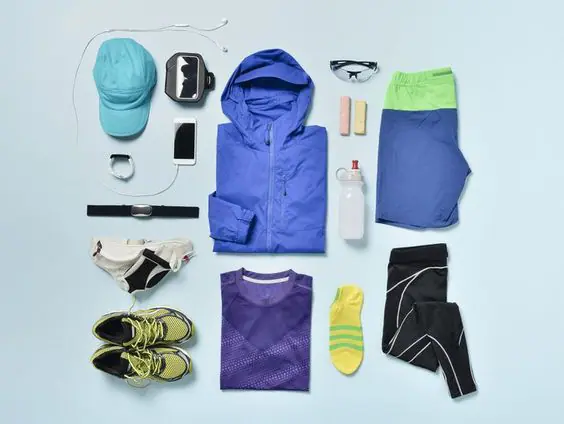
1. Apparel: Moisture-Wicking Layers Work Best
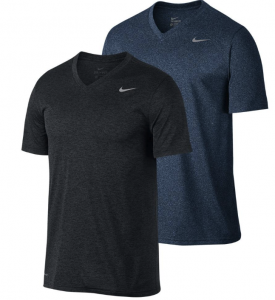
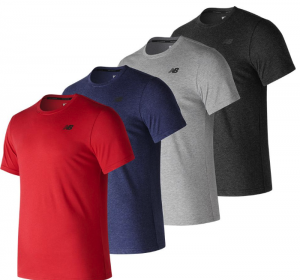
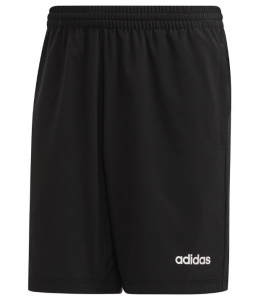
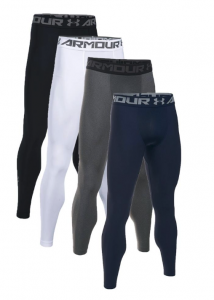
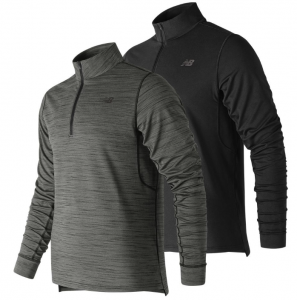
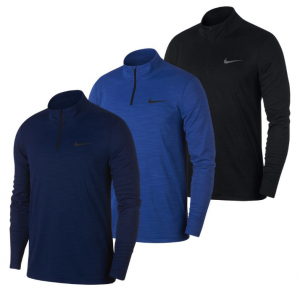
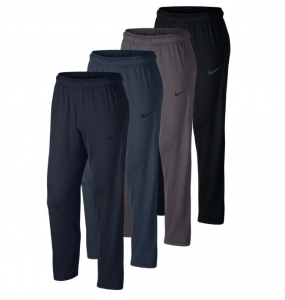
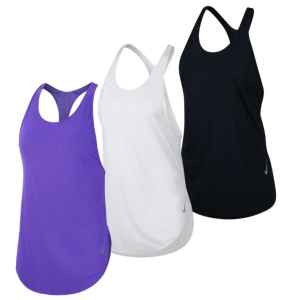
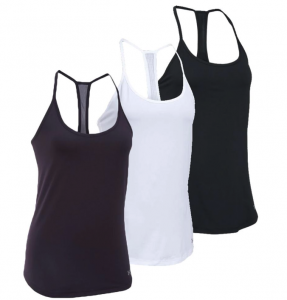
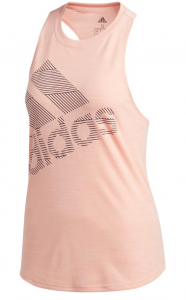
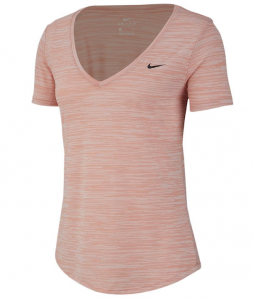
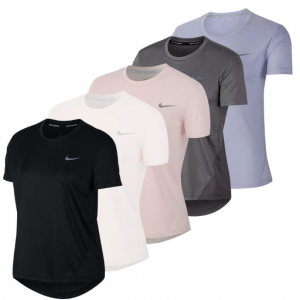
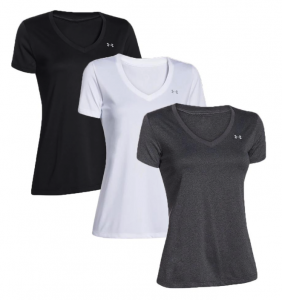
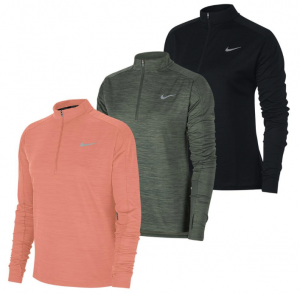
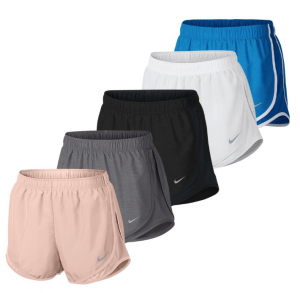
Start your gym bag with breathable, moisture-wicking apparel. Cotton traps sweat and stays heavy, while synthetic or technical fabrics pull moisture away and dry fast, so you avoid that damp, worn-out feeling and reduce odor between washes.
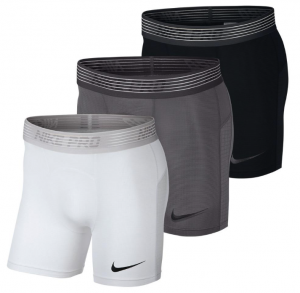
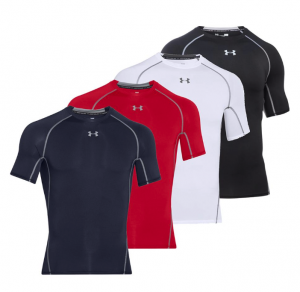
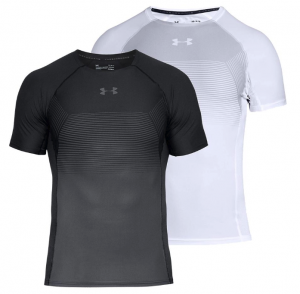
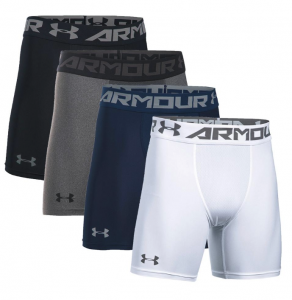
- Shirts & shorts: lightweight, quick-dry fabrics for workouts.
- Layers for later: a clean tee or hoodie for after the session.
- Socks: at least one extra pair to change into.
2. Shoes: Trainers, Slides and a Spare Option
Proper footwear protects your joints and boosts performance. Pack a solid pair of cross-training or running shoes for the actual workout, and keep a clean pair of slides or sandals for the locker room and shower so your main shoes stay fresh and don’t track gym-floor germs.
- Training shoes: for lifts, cross-training or running.
- Slides / sandals: for locker room and shower.
- Spare pair: handy if your main pair gets wet or messy.
3. Towels: Quick-Dry Towels Beat Cotton
A quick-dry microfiber towel wipes away sweat, packs small and dries fast, so it won’t soak your bag or grow musty. Keep one for your face and body during the workout and, if your gym requires it, a separate towel for equipment or the bench. Cotton towels work but stay damp far longer.
- Microfiber towel: compact and quick-dry.
- Equipment towel: for wiping machines and benches.
- Shower towel: for post-workout freshness.
4. Water Bottles: Reusable and Leak-Proof
Hydration is essential. Choose a reusable, leak-proof water bottle sized for your session—1L is a good all-rounder for most workouts. Insulated steel bottles keep water cold for hours, while lightweight plastic or Tritan options cut bag weight. Avoid leaving a full bottle in a hot car, and clean it regularly.
- Insulated bottle: keeps drinks cold and sweat-proof.
- 1L size: enough hydration for a full session.
- Leak-proof cap: protects the rest of your bag.
5. Energy Bars and Snacks: Fuel for the Workout
Pack an energy bar or a small snack so you refuel before, during or after training without relying on vending machines. Look for protein or energy bars with balanced macros, and keep them in a clean dry pocket so they don’t crumble into your gear.
- Protein bars: good post-workout recovery.
- Energy bars: quick fuel before training.
- Nuts or fruit: a simple, clean option.
6. And Bags: Choose a Ventilated, Compartmentalized Sports Bag
Finally, pick a gym bag built for sports: ventilated and breathable so moisture doesn’t build up, with a separate shoe compartment and wet/dry separation so sweaty or muddy gear never touches clean clothes. Both duffels and backpacks work—choose based on how you commute. Many of the best gym bags are now gym-to-office hybrids you can carry straight from the gym to work.
- Ventilated bag: airflow stops moisture and odor build-up.
- Shoe compartment: keeps shoes away from clean gear.
- Wet/dry separation: isolates towels, swimwear and muddy equipment.
Need a bag with the right pockets and compartments for training gear? Browse our duffel bag collection and backpack range, or read our guide on choosing a laptop case or backpack if your gym-to-office carry also needs tech protection.
For More Gear and Custom Options
If you run a fitness brand or gym and want custom sports bags, Junyuan Bags is a professional bag manufacturer offering full OEM/ODM customization for gym bags, duffels and sports backpacks, with a minimum order of 500 pcs, sampling in 6–10 days and bulk production in 35–50 days, quality-inspected to AQL 2.5. Explore our sports bag manufacturing capabilities to get started.
Frequently Asked Questions
Q1: What should I always have in my gym bag?
Always pack moisture-wicking apparel, clean shoes or slides, a quick-dry towel, a reusable leak-proof water bottle, a small energy snack and a ventilated bag with a separate shoe compartment. This covers training, recovery and keeping your gear fresh.
Q2: What is the best bag to bring to the gym?
The best gym bag is ventilated, lightweight and compartmentalized: a sports duffel or backpack with a separate shoe compartment and wet/dry separation. Gym-to-office hybrid bags are ideal if you stop at work on the way.
Q3: Do gym bags need a shoe compartment?
Yes, a dedicated shoe compartment is strongly recommended. It keeps sweaty, muddy footwear from touching your clean clothes and towel, and it prevents odor from spreading through the rest of the bag.
Q4: How many towels should I pack in a gym bag?
Pack at least two: a quick-dry microfiber towel for your face and body during the workout, and another for equipment or the shower. Microfiber towels dry fast and trap less odor than cotton.
Q5: What size water bottle is best for the gym?
A 1-liter bottle is a good all-rounder for most workout sessions. Choose an insulated steel bottle to keep water cold and a leak-proof cap so it doesn’t spill on your gear.
Q6: Should I pack a spare pair of shoes?
A spare pair or a pair of slides is handy: use clean slides or sandals for the locker room and shower, and keep your training shoes for the workout. This keeps your main shoes fresher and cleaner.
Q7: How can I keep my gym bag from smelling?
Use a ventilated bag, wipe down sweaty gear, wash towels and apparel regularly, and let wet items dry before storing. A shoe compartment and wet/dry separation also stop odor from spreading.
Q8: What should I eat or snack on for the gym?
Pack a balanced energy or protein bar, or nuts and fruit, for fuel before or during the session. Have a protein option after training to support recovery. Keep snacks in a clean dry pocket.
Q9: Can I use a regular backpack as a gym bag?
You can, but it’s better to use a ventilated sports bag with a shoe compartment and wet/dry separation. A regular backpack lacks airflow and separation, so sweaty gear can dampen your other belongings.
Q10: What is a gym-to-office hybrid bag?
A gym-to-office hybrid bag is designed to carry both training gear and work or laptop items in one bag, so you can go straight from the gym to work. Many include a padded laptop sleeve along with a shoe compartment.
Q11: How big should my gym bag be?
A gym bag between 30 and 50 liters is a good range for most training: large enough for clothes, shoes, a towel and a bottle, without being so bulky it’s awkward to carry.
Q12: Can I get a custom gym bag made for my brand?
Yes. Junyuan Bags is a professional bag manufacturer offering OEM/ODM customization for gym bags, duffels and sports backpacks, with a minimum order of 500 pcs, sampling in 6–10 days, bulk production in 35–50 days and AQL 2.5 quality inspection.