
Top 8 Golf Bag Manufacturers & Suppliers in Japan 2026
「匠の技で、ゴルフを美しく。」— The art of craftsmanship makes golf beautiful.
Japan represents one of the world’s most discerning and quality-obsessed golf markets. With approximately 2.3 million active golfers and over 2,200 courses nestled into the country’s mountainous terrain, Japanese golfers demand equipment that reflects their culture’s deep appreciation for precision, elegance, and meticulous attention to detail. The Japanese golf bag market is unique globally — players here favour compact, exquisitely crafted bags that optimise organisation within limited space, reflecting both the smaller dimensions of Japanese courses and the cultural emphasis on efficient, beautiful design.
This guide covers the top golf bag manufacturers and suppliers serving Japan in 2026, the distinctive preferences of Japanese consumers, how international brands can source custom golf bags from China through partners like Junyuan Bags, and Japan’s specific import regulations and quality standards. For brand owners, buyers, and golf enthusiasts alike, this comprehensive overview delivers the insights needed to navigate this sophisticated market.
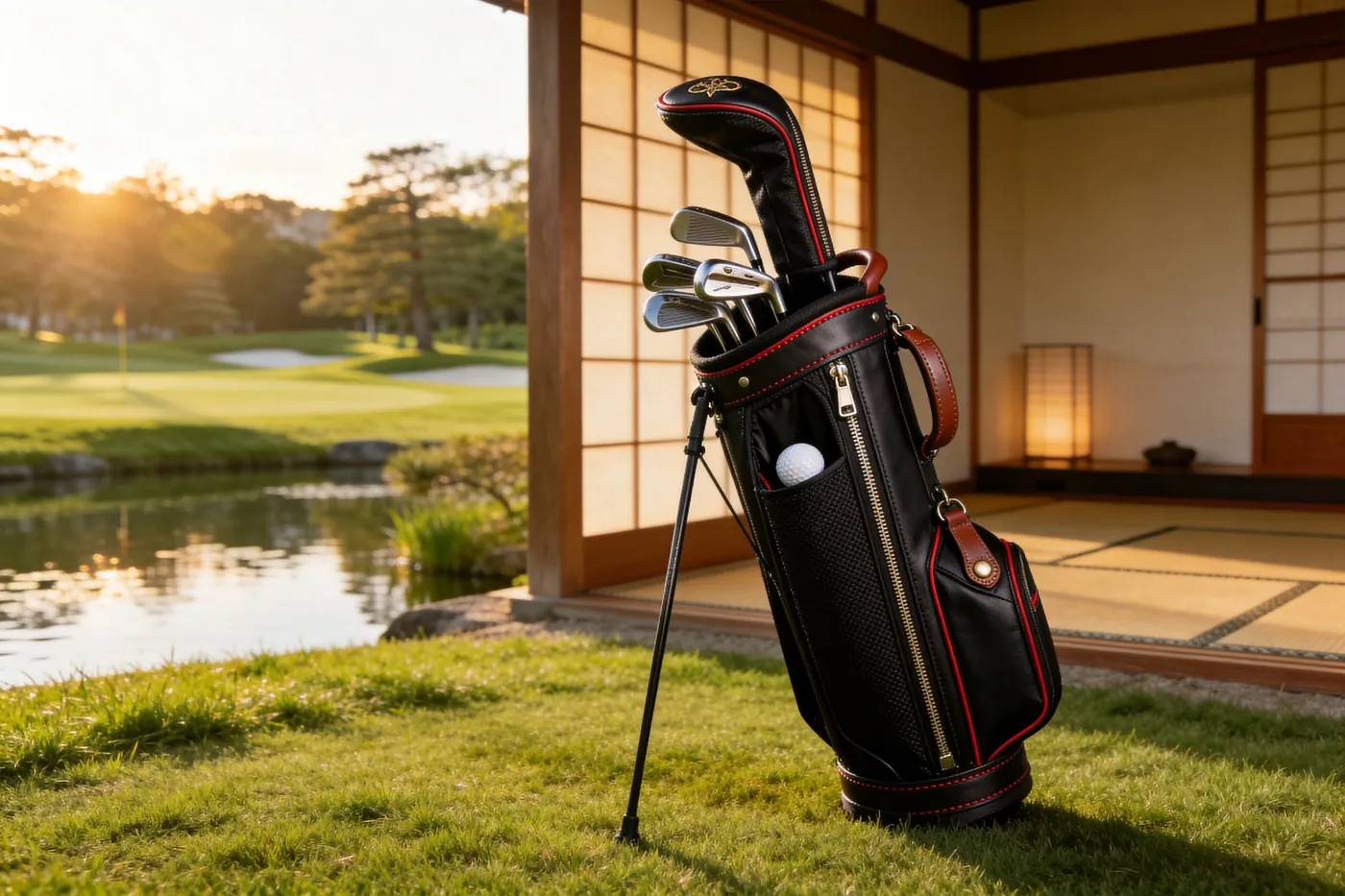
Why Japan’s Golf Bag Market is Booming
Japan’s golf market has experienced a remarkable revival in recent years after a prolonged period of stagnation following the economic bubble burst of the early 1990s. The pandemic rekindled interest in golf as a safe, outdoor activity, and Japan saw a significant increase in new golfers — particularly among younger demographics and women. The Japan Golf Association reports that the number of golfers under 40 has grown by nearly 30 percent since 2020, bringing fresh energy and new aesthetic preferences to the market.
Several unique factors drive Japan’s golf bag market. First, the country’s golf culture places extraordinary emphasis on etiquette, appearance, and equipment quality. Japanese golfers take immense pride in their gear, and a golf bag is viewed not merely as functional equipment but as a reflection of personal taste and status. This cultural dynamic drives strong demand for premium bags with exquisite detailing, refined materials, and impeccable construction quality. Second, Japan’s compact course layouts — many courses were built on mountainous terrain with limited flat space — favour smaller, lighter bags with clever organisation systems that maximise storage efficiency in minimal space.
Third, the caddie culture in Japan differs significantly from other markets. Many Japanese courses still employ human caddies rather than allowing golfers to carry or use motorised carts exclusively. This tradition influences bag design, with Japanese bags often featuring specific handles and weight distribution suited to caddy carrying. Fourth, the rise of golf fashion (ゴルフファッション) as a lifestyle trend — driven by social media and celebrity influence — has made golf bags visible style accessories both on and off the course, expanding the market beyond traditional golf channels into fashion and lifestyle retail.
Japan’s golf bag market is also supported by strong domestic consumption throughout all four seasons. While winter play is limited in northern regions, the milder southern prefectures and indoor golf simulator facilities ensure year-round engagement with the sport. Premium golf bags in Japan typically retail between ¥30,000 and ¥80,000 (approximately $200-$550 USD), with luxury options exceeding ¥150,000.
Top Golf Bag Brands Dominating Japan
Japan’s golf bag market is dominated by a blend of prestigious domestic brands known for their exceptional craftsmanship and select international brands that have adapted to Japanese preferences. Here are the leading brands in 2026:
1. Honma
Honma is the epitome of Japanese golf luxury. Founded in 1959, the brand represents the pinnacle of monozukuri (ものづくり — the art of making things) in golf equipment. Their golf bags feature exquisite leather work, gold-plated hardware, and meticulous hand-stitched details. Honma staff bags are prized possessions among Japanese golfers, symbolising achievement and refined taste. The BERES line of premium bags can cost over ¥500,000 ($3,500+ USD). Even their more accessible lines (priced ¥50,000-¥150,000) maintain exceptional quality standards. Honma bags are sold through exclusive boutiques and premium department stores.
2. Bridgestone Golf
Bridgestone Golf applies the company’s engineering expertise to create golf bags that emphasise precision construction and functional innovation. Their Tour B series bags feature advanced divider systems, lightweight carbon fiber elements, and premium fabrics selected for durability and aesthetic appeal. Bridgestone’s bags are popular among serious Japanese golfers who value performance engineering alongside visual refinement. Price range: ¥40,000-¥100,000.
3. Mizuno Japan
Mizuno’s Japanese domestic line differs from their international offerings, featuring more compact designs optimised for Japanese course dimensions and caddy-friendly ergonomics. The Mizuno JPX Tour Bag and Pro Caddy Bag showcase Japanese-specific design elements including smaller diameters (8.5-9 inches), refined colour palettes, and exceptional material quality. Price range: ¥35,000-¥90,000.
4. XXIO (Dunlop Sport)
XXIO, a brand by Sumitomo Rubber Industries (under the Dunlop Sport umbrella), is one of the best-selling premium golf brands in Japan. Their golf bags are designed for the brand’s target demographic of mid-to-high handicap golfers with moderate swing speeds. XXIO bags are characterised by their lightweight construction, elegant designs, and accessible price points relative to other premium Japanese brands. Price range: ¥30,000-¥70,000.
5. Maruman Golf
Maruman has a strong presence in the Japanese market with golf bags that balance quality with accessibility. Their MIZUNO PRO-inspired designs and compact carry bags appeal to Japanese golfers seeking well-crafted equipment without the ultra-premium price tag. Maruman’s attention to detail — including refined zipper pulls, embroidered logos, and carefully selected fabrics — reflects Japanese expectations even at mid-range price points. Price range: ¥20,000-¥60,000.
6. Titleist Japan
Titleist’s Japanese operation produces region-specific bag designs that cater to local preferences for compact, refined products. The Japanese-exclusive colourways and limited-edition designs leverage the strong brand loyalty that Titleist enjoys among Japanese golfers. Their staff bags and cart bags are popular in both professional and amateur circles. Price range: ¥40,000-¥120,000.
7. Mark & Lona
Mark & Lona represents the fashion-forward segment of Japanese golf, offering bags that function as style statements as much as sporting equipment. Their bold designs, vibrant patterns, and streetwear-influenced aesthetics have cultivated a cult following among younger Japanese golfers. The brand’s success reflects the growing convergence of golf and fashion in Japan. Price range: ¥35,000-¥80,000.
8. Pearl Izumi / FootJoy Japan
Pearl Izumi and FootJoy’s Japanese divisions produce golf bags that combine performance heritage with Japanese design sensibilities. Their bags feature compact profiles, premium synthetic materials, and organisation systems designed for Japanese golfers’ specific needs. Price range: ¥25,000-¥65,000. For more on how these bags are developed from concept to production, see our comprehensive golf bag manufacturing guide.
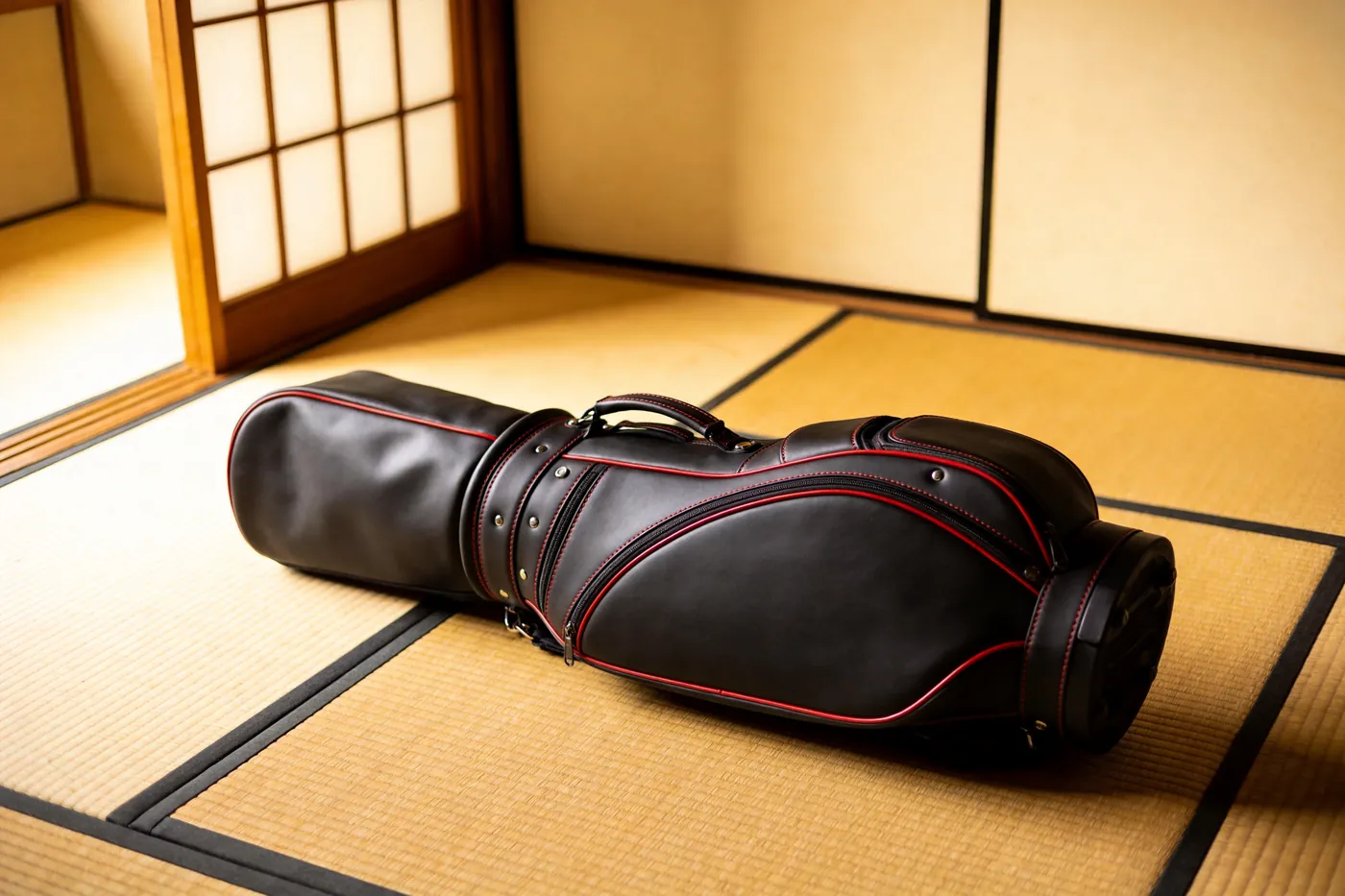
Key Factors When Choosing a Golf Bag Manufacturer
For Japanese brands and importers, selecting a golf bag manufacturer demands attention to several factors that reflect the country’s exacting quality standards:
Material Quality: Japanese consumers have extraordinarily high expectations for material quality. Every stitch, zipper, and fabric panel is scrutinised. Premium Japanese bags use top-grain leather, high-denier nylon with precise weave patterns, and advanced synthetic materials that combine lightweight properties with exceptional durability. Attention to surface finish, edge binding, and material consistency is paramount. The materials guide provides detailed information on fabric options suitable for the Japanese market. Eco-conscious Japanese consumers also increasingly value sustainable materials and transparent supply chains.
Weight and Portability: Japanese golf bags must be exceptionally lightweight without sacrificing quality. The prevalence of caddy service and compact course layouts means bags are frequently carried by hand, making every gram significant. Advanced construction techniques like FlyKnit seamless construction, carbon fiber reinforcement, and precision-engineered stand mechanisms allow manufacturers to achieve weight savings while maintaining the premium feel that Japanese consumers demand.
Compact Design and Organisation: Unlike Western markets that favour large-diameter bags with maximum storage, Japanese golf bags typically use smaller diameters (8.5-9.5 inches) with cleverly designed compartmentalisation. Every pocket must have a clear purpose, and organisation systems must be intuitive. This requires manufacturers to have sophisticated design capabilities and the flexibility to produce custom divider configurations and pocket layouts tailored to Japanese preferences.
Customisation Capabilities: Japanese brands require exceptional custom logo options with meticulous attention to detail. Embroidery must be flawless, with precise colour matching and thread quality that meets Japanese standards. Junyuan Bags’ 48-hour 3D Tech Pack service allows Japanese clients to review every detail digitally before committing to production, reducing the need for multiple physical samples.
MOQ and Lead Time: The Japanese market often requires smaller batch sizes due to the prevalence of limited-edition runs, seasonal colourways, and retailer exclusives. Junyuan Bags’ MOQ of 300 pieces per design accommodates this approach, enabling Japanese brands to test market response before committing to larger orders. The sample development process takes 7-15 days, with iterative refinements supported until every detail meets Japanese standards.
Quality Certifications: Japanese importers value manufacturers with robust quality management systems. ISO 9001 certification is essential, while BSCI certification demonstrates commitment to ethical manufacturing. Junyuan Bags holds both certifications and operates an affiliated factory facility of 4,950 sqm, producing 200,000 bags monthly for 200+ brands across 100+ countries.
Japan-Specific Market Insights & Buyer Preferences
The Japanese golf bag market has characteristics unlike any other market globally, reflecting the country’s unique culture, geography, and consumer expectations. Understanding these nuances is essential for any brand looking to succeed in Japan.
Compact and Refined Design: Japanese courses are generally smaller and more compact than their Western counterparts, with narrower fairways and tighter green complexes. This translates into a preference for bags with smaller footprints — typically 8.5 to 9.5 inches in diameter rather than the 10+ inches common in American cart bags. Japanese golf bags prioritise elegant proportions, clean lines, and refined details over maximum storage capacity. Every design element must serve a purpose, reflecting the Japanese aesthetic principle of “less but better.”
匠 (Takumi — Craftsman) Spirit: Japanese consumers appreciate and can identify genuine craftsmanship. Stitching must be perfectly straight and evenly spaced. Zippers must glide smoothly. Logos must be precisely positioned. Even interior linings and pocket construction receive scrutiny. This level of expectation means manufacturers must maintain extraordinary quality control standards throughout production — not just on visible surfaces but on every aspect of the bag’s construction.
Seasonal and Limited Edition Products: The Japanese market embraces seasonal collections and limited-edition releases with an enthusiasm unmatched elsewhere. Spring sakura (cherry blossom) editions, autumn momiji (maple leaf) themes, and winter snow-inspired colourways allow brands to create excitement and urgency. Junyuan Bags’ flexible MOQ of 300 pieces enables Japanese brands to produce these seasonal editions without excessive inventory risk. The prototyping process ensures every seasonal design meets quality expectations before full production.
Gift Culture: Golf bags are popular gifts in Japan, particularly in corporate gifting contexts. Premium packaging, presentation boxes, and branded gift wrapping are often expected. Manufacturers should consider packaging design as an integral part of the product offering, not merely a protective necessity. The packaging & shipping process must account for the presentation requirements of the Japanese market.
Technology Integration: Japanese golfers embrace technology in their equipment. Bags with integrated GPS holders, electronic scorecard pockets, USB pass-through ports, and smartphone-compatible features are particularly well-received. The convergence of traditional craftsmanship and modern technology represents a sweet spot for the Japanese market.
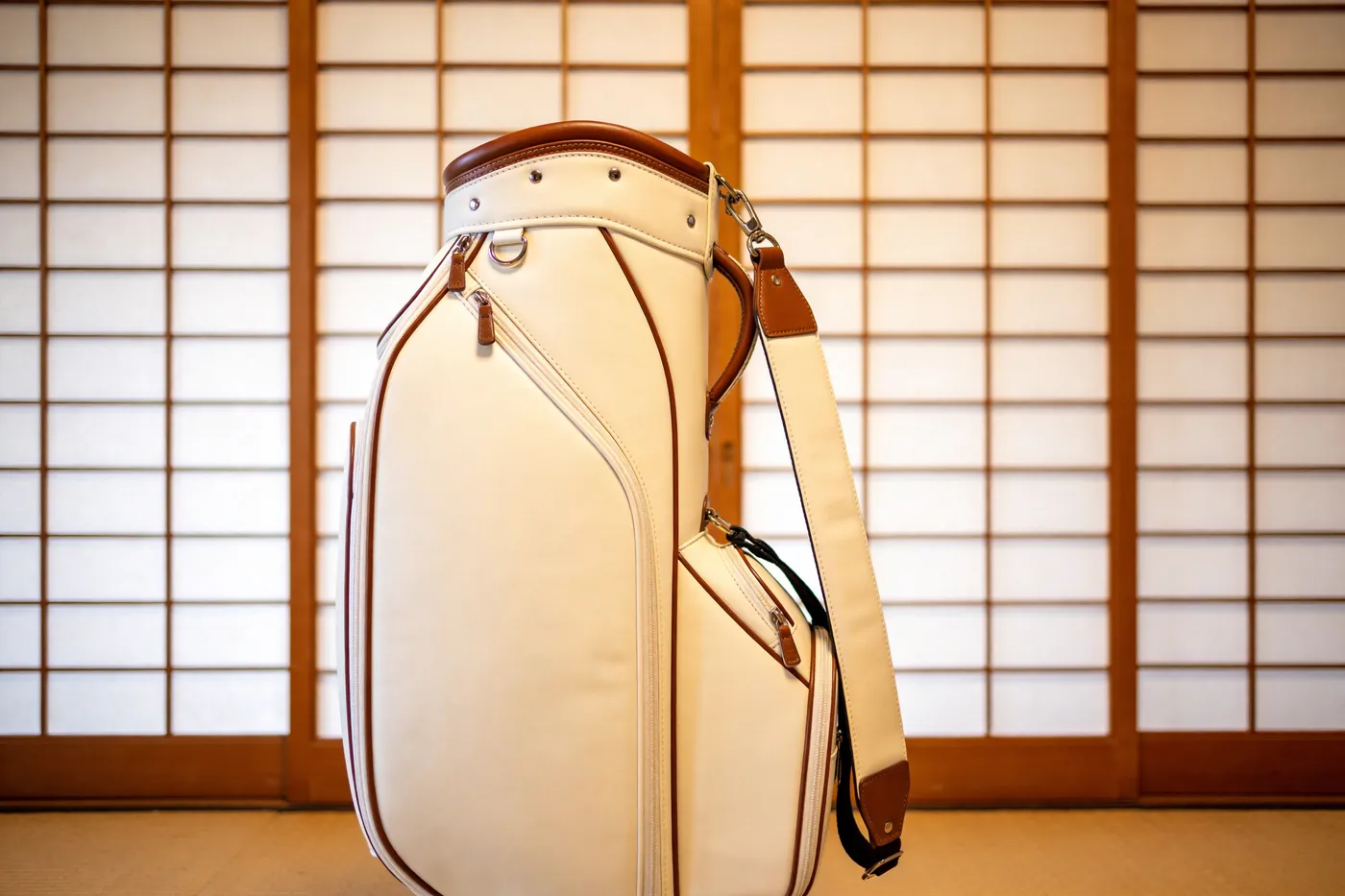
How to Source Custom Golf Bags from China for the Japanese Market
Sourcing custom golf bags from China for the Japanese market requires a manufacturing partner who understands and respects Japan’s exceptional quality standards:
OEM/ODM Process: For Japanese brands with exacting specifications, Junyuan Bags’ OEM capability ensures production to precise requirements. Their ODM service is valuable for Japanese brands seeking design innovation, with their team capable of developing designs that incorporate the compact proportions, refined aesthetics, and functional innovation that Japanese consumers expect. The 48-hour 3D Tech Pack service is particularly effective for Japanese clients, who can review every detail — from stitch patterns to pocket dimensions — before committing to physical samples.
Sample Development: The prototyping process is especially critical for the Japanese market. Junyuan Bags produces samples within 7-15 business days, with multiple revision rounds supported. Japanese clients typically request 2-3 sample iterations to refine details like embroidery precision, zipper quality, and interior finishing. Express shipping to Japan takes just 2-3 days via DHL or FedEx.
Quality Control: Japanese quality expectations are among the highest in the world. Junyuan Bags implements a rigorous QC inspection process that meets Japanese standards, including AQL 1.5 or better sampling (tighter than the standard AQL 2.5), comprehensive material testing, and detailed inspection checklists covering every aspect of bag construction. Their BSCI and ISO 9001 certifications provide the quality management framework that Japanese importers require.
Logistics and Shipping: China’s proximity to Japan is a significant advantage for Japanese importers. Ocean freight from Chinese ports to Yokohama, Kobe, or Nagoya takes just 7-12 days. Air freight takes 1-3 days. Shipping logistics are streamlined by the established trade routes and customs procedures between China and Japan. Junyuan Bags manages all export documentation required for Japanese customs clearance.
Junyuan Bags’ Advantages for Japanese Brands: Established in 2014, Junyuan Bags has 12+ years of manufacturing experience of manufacturing experience that includes serving Japanese brand clients who demand exceptional quality. Their 4,950 sqm affiliated factory facility incorporates FlyKnit technology that produces seamless, lightweight construction ideally suited to Japanese preferences for refined, compact bags. The ability to produce at scale (200,000 bags monthly) while maintaining the flexibility for small-batch limited editions (MOQ 300 pieces) makes them uniquely suited to the Japanese market’s dual demand for volume consistency and exclusive variety.
Japan Import Regulations & Compliance
Importing golf bags into Japan requires compliance with regulations administered by Japan Customs and relevant ministries. Golf bags are classified under Japanese tariff schedule heading 4202, with textile bags falling under 4202.92 and leather bags under 4202.91. The import duty rate for golf bags from China is typically 10-16 percent depending on the specific material classification.
Japan’s industrial standards system, known as JIS (Japanese Industrial Standards), may apply to certain aspects of golf bag construction, particularly regarding material safety and labelling. While golf bags are not subject to mandatory JIS certification, products that carry JIS marks must meet the relevant standards. Japanese consumers and retailers expect compliance with the Household Goods Quality Labelling Act, which requires accurate material composition labelling on textile products in Japanese language.
The Chemical Substance Control Law (CSCL) restricts the use of certain hazardous chemicals in consumer products imported into Japan. Golf bag materials — including waterproof coatings, dyes, and synthetic components — must be tested for compliance with CSCL restrictions. Additionally, the Act on Control of Household Products Containing Harmful Substances sets limits on specific chemicals like formaldehyde in textile products. Japanese importers should work closely with their Chinese manufacturing partners to ensure all materials meet these chemical safety requirements before shipment.
Packaging requirements under Japan’s Container and Packaging Recycling Law mandate proper identification of packaging materials and compliance with recycling labelling standards. All packaging must display appropriate recycling marks (paper, plastic, etc.) in the prescribed format.
Frequently Asked Questions
Why are Japanese golf bags typically smaller than Western models?
Japanese golf courses are generally more compact than Western courses, with narrower fairways, tighter green complexes, and limited space on golf carts and caddy stations. This leads to a preference for bags with smaller diameters (8.5-9.5 inches) that maintain elegant proportions while still providing adequate organisation. Japanese consumers also value compact, efficient design as a reflection of refined taste, following the aesthetic principle that quality and precision matter more than sheer capacity.
What quality standards do Japanese golf bag buyers expect?
Japanese buyers expect exceptional quality across every aspect of construction — from perfectly straight stitching and smooth zipper operation to flawless embroidery and pristine interior finishing. Materials must be free of defects, colour consistency must be maintained across production runs, and every component must function reliably. The QC standards applied for Japanese orders typically use AQL 1.5 or better, compared to the more common AQL 2.5 used for other markets. See our QC inspection guide for details.
Can Chinese manufacturers produce golf bags that meet Japanese quality standards?
Yes, experienced Chinese manufacturers like Junyuan Bags are fully capable of meeting Japanese quality expectations. Their ISO 9001 quality management system, combined with understanding of Japanese market requirements gained through years of serving Japanese brand clients, ensures production quality that meets or exceeds expectations. The key is choosing a manufacturer with proven experience in Japanese market production and clear communication of quality standards from the outset.
What is the typical lead time for custom golf bags destined for Japan?
The total timeline from design approval to delivery in Japan is typically 60-90 days. This includes sample development (7-15 days), production (45-60 days), and shipping (7-12 days by sea). China’s geographic proximity to Japan means shipping times are among the shortest of any major market. The sample development phase is critical for ensuring quality standards are met before full production begins.
What are the import duties on golf bags from China to Japan?
Import duties on golf bags from China to Japan typically range from 10-16 percent depending on the specific material classification under heading 4202 of the Japanese tariff schedule. Textile bags (4202.92) generally attract rates in the 10-14 percent range, while leather bags (4202.91) may face rates up to 16 percent. Japanese consumption tax (10 percent) is also applied to the CIF value plus duty. Importers should work with a licensed customs broker (通関業者) for accurate classification and clearance.
Are there specific material requirements for golf bags sold in Japan?
Japan’s Chemical Substance Control Law (CSCL) and the Act on Control of Household Products Containing Harmful Substances set strict limits on certain chemicals in consumer products. Golf bag materials must comply with formaldehyde limits for textile products, restrictions on specific azo dyes, and general chemical safety requirements. The materials guide covers compliant material options. Working with an experienced manufacturer like Junyuan Bags ensures material selection meets all Japanese regulatory requirements.
Conclusion
Japan’s golf bag market in 2026 remains one of the world’s most rewarding — and most demanding — destinations for quality golf equipment. Japanese golfers appreciate exceptional craftsmanship, compact and efficient design, and the marriage of traditional quality with modern innovation. Brands that respect these values while embracing seasonal creativity and limited-edition opportunities will find enthusiastic customers in this discerning market.
For Japanese brands and importers seeking a manufacturing partner who understands their exacting standards, Junyuan Bags offers an exceptional combination of 20+ years of manufacturing expertise, ISO 9001 and BSCI certifications, and the flexibility to produce both volume orders and limited-edition runs from their MOQ of 300 pieces. Their FlyKnit technology produces the lightweight, seamless construction that Japanese golfers appreciate, while their comprehensive QC processes ensure every bag meets the highest quality standards. With production serving 200+ brands across 100+ countries, their experience includes deep familiarity with Japanese market expectations.
Ready to create golf bags that meet Japan’s legendary quality standards? Request a quote from Junyuan Bags today and experience the difference that true manufacturing craftsmanship makes.