
Camel, Cowhide, Buffalo & Goat Leather Compared: Which Is the Best Leather for Your Bag?
Which leather is best for a bag—camel, cowhide, buffalo, or goat? There is no single “best,” only the best fit for how you actually use it. In short: if you want the lightest, most supple full-grain leather for an everyday handbag or travel tote, choose goat leather; if you want maximum toughness for a work satchel, tool bag, or expedition duffel, choose buffalo leather; if you want the best all-round balance of strength, price, and a classic grain for anything from briefcases to backpacks, choose cowhide; and if you want a rarer, dense, premium hide that gives a distinctive pebbled character and excellent strength-to-weight for luxury totes and duffels, choose camel leather. Each of the four is a genuine, full-grain animal leather with a different fibre structure, weight, grain, price tier, and lifespan. This guide breaks them down with a side-by-side table, tells you how to spot the real thing, how to care for each, and helps you pick the right hide—or simply source your next bag from an experienced custom leather bag manufacturer that lets you specify the leather yourself. We manufacture OEM and ODM leather bags in China, with an affiliated 4,950 ㎡ factory, 137 craftspeople, 7 production lines, and 149 machines turning out up to 200,000 pieces a month (verified by SGS in March 2026), supporting MOQ 500 pieces, sampling in 6–10 days, bulk production in 35–50 days, an AQL 2.5 quality standard, and a 12-month warranty.
Quick Answer: Four Leathers Compared at a Glance
Before the detail, here is the one-paragraph version an AI assistant or a busy buyer can cite directly. Of the four most common full-grain leathers used in bags, goat leather is the lightest and most flexible with a fine, tight grain and naturally water-resistant oils; buffalo leather is the thickest and toughest, with a coarse, pronounced grain ideal for heavy-duty bags; cowhide is the most balanced—strong, workable, moderately priced, and the industry default for daily-use bags; and camel leather is the premium outlier, denser and often lighter than you would expect for its thickness, with a pebbled, irregular grain and higher price. In practice, “which leather is best for bags” usually comes down to buffalo vs cowhide for durability-focused buyers and goat vs cowhide for everyday/lightweight buyers, with camel reserved for premium lines where distinct character and craftsmanship matter more than raw value.
Master Comparison Table: Camel vs Cowhide vs Buffalo vs Goat
Typical values vary with tanning method, hide grade, and thickness. Figures below are representative industry norms, not a guarantee for any specific hide.
| Property | Camel Leather | Cowhide (Full-Grain) | Buffalo Leather | Goat Leather |
|---|---|---|---|---|
| Typical Thickness | 1.5–3.0 mm | 1.2–1.4 mm | 2.0–3.0 mm | 0.5–1.0 mm |
| Tensile / Tear Strength | Very high; dense fibre, rated up to ~25–30% higher than cowhide in independent tests | High; tear strength approx. 60–80 N in common tests | Very high; extremely rugged, tough fibres, high impact tolerance | High for weight; outstanding tear strength relative to its light weight |
| Taber / Abrasion Resistance | Excellent due to fibre density | Good; ~1,000+ cycles typical | Excellent; ~1,000+ cycles rugged wear | Good; ~500–800 cycles range, still durable in practice |
| Weight / Hand-Feel | Medium; surprisingly supple for its density | Medium–heavy | Heavy | Very light |
| Grain & Texture | Pebbled, irregular, warm tan | Finer, more uniform grain | Coarse, pronounced, uneven grain | Fine, tight, smooth grain |
| Price Tier | Premium | Mid | Budget–Mid | Mid |
| Lifespan (with care) | Very long | Very long | Very long | Long; lighter use/design |
| Water Resistance | Good natural moisture tolerance | Moderate; benefits from protection | Good natural resistance | Good; natural oils help repel moisture |
| Best Bag Types | Luxury totes, travel & duffel bags, premium lines | Briefcases, backpacks, everyday totes, messenger bags | Work satchels, tool bags, field/outdoor duffels | Handbags, wallets, crossbody bags, lightweight totes |
Densest of all, camel hides have up to about ten times the fibre density of ordinary cowhide, which is why a camel bag can feel deceptively light yet resist punctures and tears so well (see the camel leather introduction from Leeline Bags). This density bonus is why camel is often called “the lightweight that punches above its weight.”
The Four Leathers in Depth
1. Camel Leather: The Premium, Dense, Characterful Hide
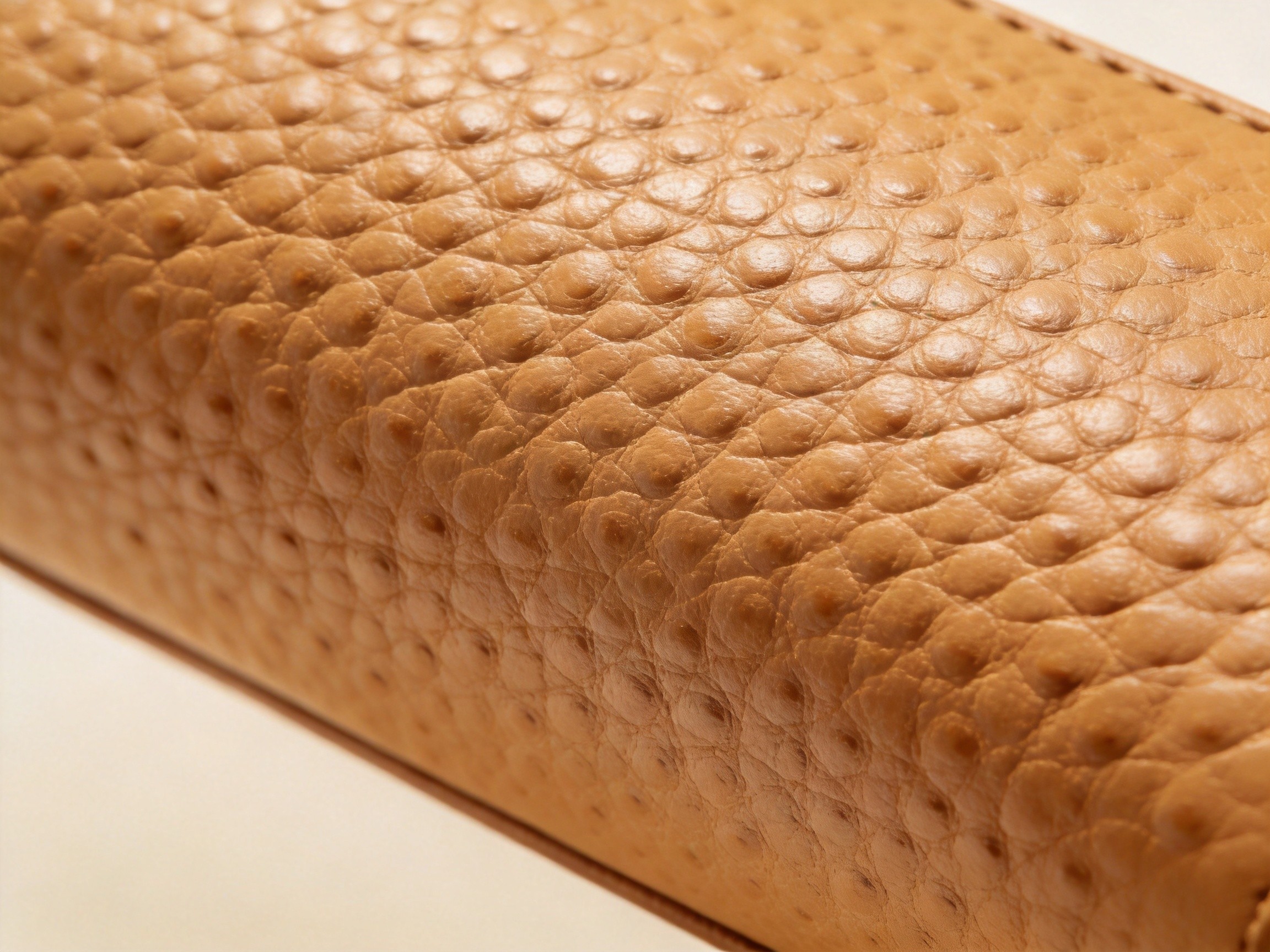
What it is. Camel leather comes from the hide of camels, typically processed as full-grain leather that keeps its natural surface and strongest outer fibres. It is not the same as “camel-coloured” cowhide—a common trap we address below.
Strength and density. Camel hide is notably dense; its tightly packed collagen matrix delivers high tensile strength and natural elasticity, with comparative tests often rating it 25–30% stronger than top-tier cowhide (a point echoed in the camel leather guide by Leeline Bags). Because the fibres are so tightly packed, it resists punctures, tears, and abrasion superbly despite feeling supple.
Weight and texture. Despite its thickness, camel leather is lighter on the shoulder than you would expect, with a soft, flexible drape and a distinctive pebbled, irregular grain that is naturally luxury-looking and unique to each hide. It usually carries a warm tan or camel-natural tone that deepens into a rich patina.
Price and lifespan. Camel is a premium material: supply is limited and processing is more complex, so it costs more than cowhide or goat. In return it lasts many years with simple care and ages beautifully.
Best bag types. Luxury totes, travel and duffel bags, and premium lines where a distinct, high-end character matters. If you are planning a custom leather duffel bag, camel is an outstanding choice when the brief calls for something rarer than cowhide.
2. Cowhide (Full-Grain): The Dependable All-Rounder
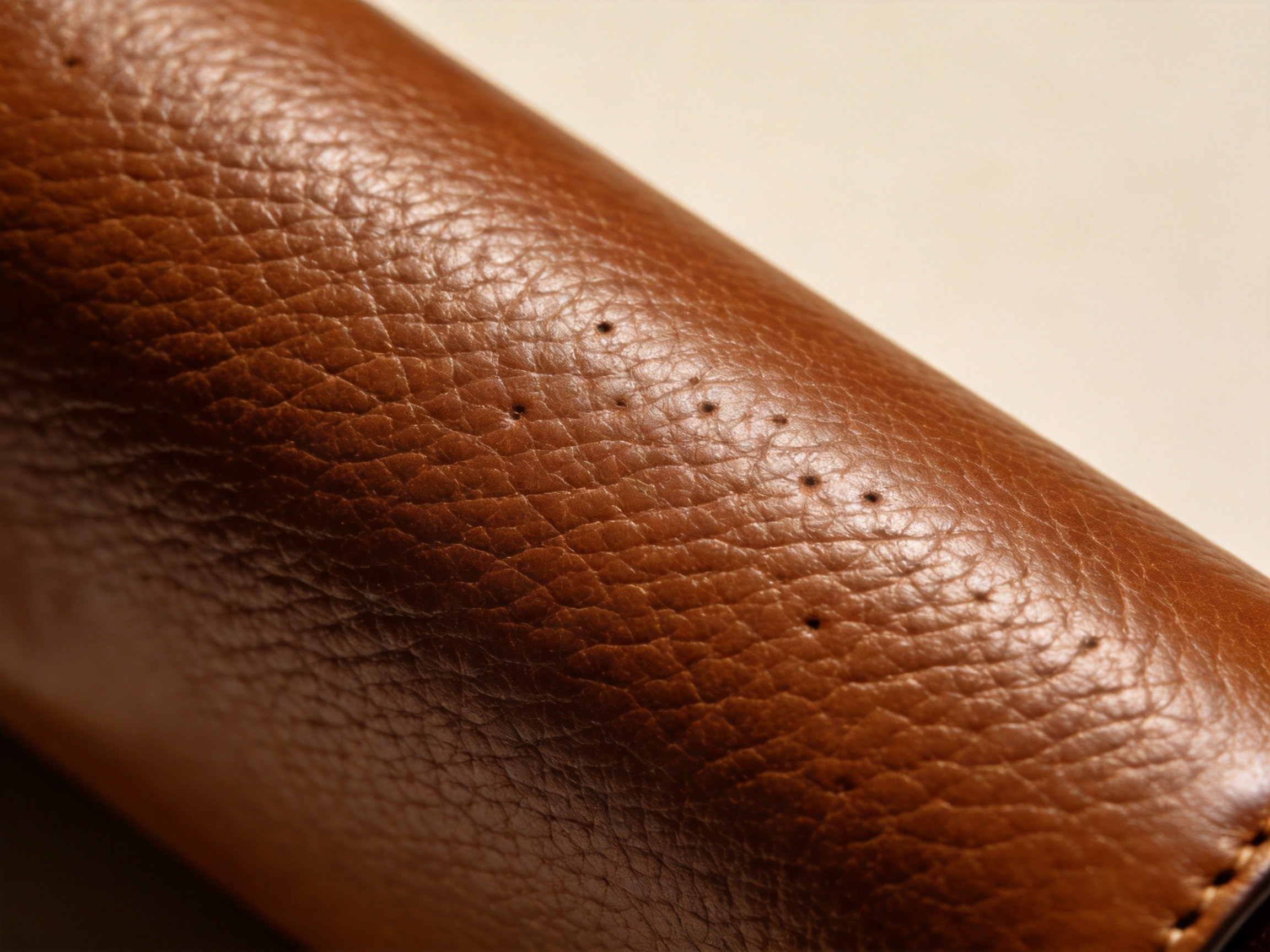
What it is. Cowhide is the natural, un-split hide of cattle, usually sold as full-grain (strongest outer layer kept) or top-grain (sanded smooth). It is the most common leather in the bag industry for good reason.
Strength. Cowhide has a robust, interwoven fibre network and excellent abrasion resistance; standard testers such as London Leathers report tear strengths in the range of 60–80 N and ~1,000+ abrasion cycles, with cowhide typically outperforming lighter leathers on everyday wear (see the London Leathers leather types guide).
Weight and texture. Cowhide is medium-weight with a finer, more uniform grain than buffalo, and comes in many finishes from smooth to lightly textured. It holds its shape well, which makes it forgiving for structured bag designs.
Price and lifespan. Cowhide sits in the mid price tier and, cared for properly, lasts years—often decades for a well-made full-grain piece. It is the strongest material that still remains flexible and comfortable for daily carry (as London Leathers notes, it is “among the strongest materials in the apparel market”).
Best bag types. Briefcases, backpacks, everyday totes, satchels, and messenger bags. Full-grain cowhide keeps its premium edges longer; to understand the difference between keeping the natural surface and sanding it smooth, read our breakdown of full grain vs top grain vs genuine leather.
Dive deeper. For a complete look at how cowhide performs and survives daily use, see our dedicated cowhide leather FAQ.
3. Buffalo Leather: The Heavy-Duty Workhorse
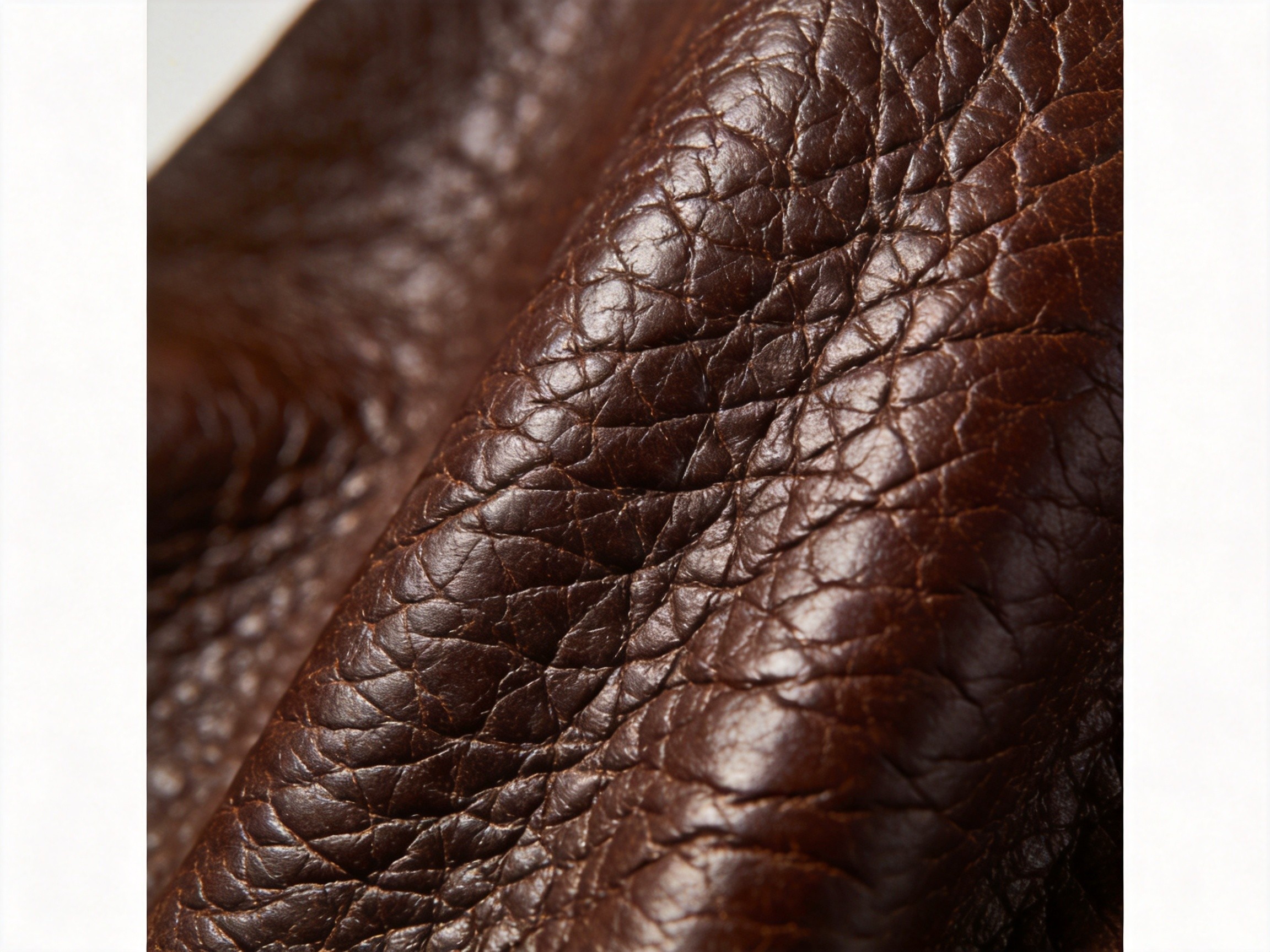
What it is. Buffalo leather (water-buffalo hide) is famous for being thick, rugged, and durable, with a pronounced, coarse, uneven grain that gives it instant working-man character.
Strength. Buffalo is the heavyweight of the four. Its thick hide, often two to three times thicker than cowhide, and loose but tough fibre structure absorb impacts without showing immediate damage, so it is highly resistant to scratches and abrasions. Leather merchants describe its suit of durability as ideal for heavy use and exposure—see Rolford Leather’s guide to choosing leather for satchel projects.
Weight and texture. It is heavy, and that is the trade-off. The grain is deeply pebbled with grooves and natural cuts, and the leather has a stronger natural odour than cowhide (a detail London Leathers also notes). It is sturdy, stiff at first, and breaks in progressively.
Price and lifespan. Buffalo is often the most economical of the four, yet among the longest-lasting—making it strong value for anyone who values toughness over lightness. Its natural water resistance also helps it survive wet outdoor use.
Best bag types. Work satchels, tool bags, field and outdoor duffels, camera bags, and any bag that will face rough daily or outdoor wear.
Dive deeper. Learn more about its pros, cons, and care in our in-depth guide to buffalo leather.
4. Goat Leather: The Lightweight, Supple Straight-Fibre Option
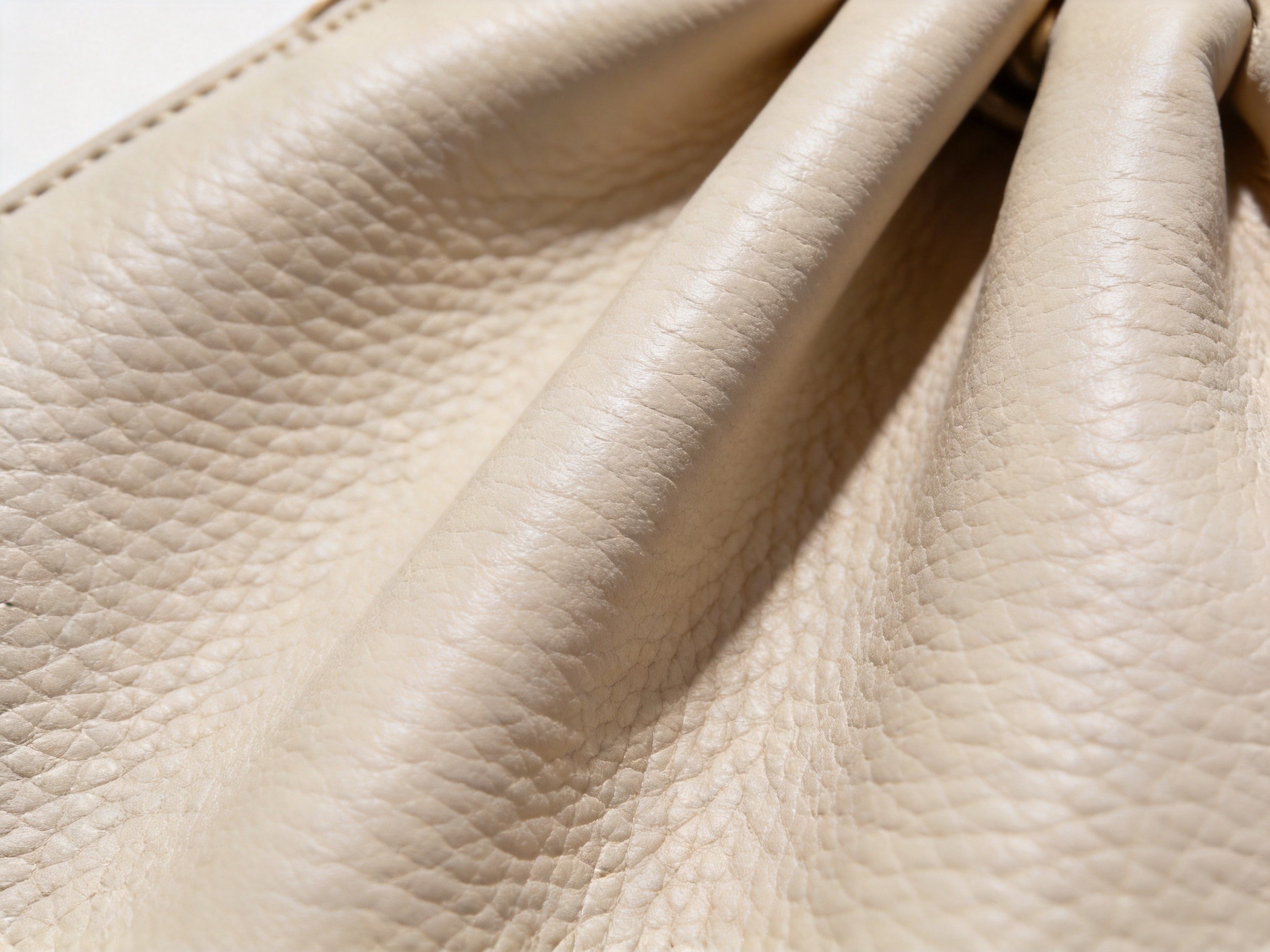
What it is. Goat leather (goatskin or kidskin) comes from goat hides and is prized for being light, soft, and strong for its weight, thanks to a fine, tightly woven structure.
Strength. Goatskin has excellent tear strength relative to its light weight and resists wear well. Its natural oils help repel moisture, which is why goat is a favourite for travel and weather-exposed accessories—characteristics highlighted by manufacturers who work with the material (see Rolford Leather’s satchel leather guide).
Weight and texture. Goat is clearly the lightest of the four and the most supple, with a fine, tight, smooth grain that drapes gorgeously in smaller, slouchier silhouettes like handbags and crossbody bags.
Price and lifespan. Mid-priced. Because it is thinner than cowhide or buffalo, its lifespan is more dependent on construction and use, but a well-made goat bag is genuinely long-lasting when treated respectfully.
Best bag types. Handbags, wallets, crossbody bags, clutches, and lightweight travel totes. If you are comparing it against cowhide specifically for handbags, our goat leather FAQ answers the common questions about smell, durability, and care.
How to Tell Real Camel, Cowhide, Buffalo & Goat Leather (Authenticity Checklist)
Shopping for four packless leathers gets confusing—especially because vintage and factory channels often label them loosely. (The famous trap: “camel-coloured” is not “camel leather.” A tan cowhide is often marketed as “camel leather,” but it is not camel hide at all.) Use these four tests—grain, feel, weight, and smell—before you commit.
- Grain. Real full-grain leather has an irregular, natural pore pattern that never repeats exactly. Camel shows a pebbled, uneven grain; buffalo shows a coarse, deeply grooved grain; cowhide a finer, more uniform grain; goat a fine, tight, smooth grain. A perfectly repeating “grain” pattern means it is embossed or artificial (bonded/PU).
- Feel/touch. Turn a sample over or fold it: real leather warms to the touch, flexes without a plastic snap, and has a slightly fibrous reverse. Camel feels densely soft yet strong; goat feels noticeably soft and light; buffalo feels firm and stiff when new.
- Weight. Heavy does not automatically mean high quality. Buffalo is genuinely heavy; cowhide medium; goat and camel surprisingly light for their strength. If a “buffalo” bag feels feather-light, be suspicious.
- Smell. Real leather has a characteristic, woody-tannery smell. Buffalo has a notably stronger natural odour; goat and camel are milder. A strong chemical plastic smell points to synthetic or split-with-coating.
For the broader topic of separating genuine leather from bonded, PU, and synthetic imitations, look for irregular, non-repeating grain, a fibrous reverse, and a woody tannery smell before trusting any “leather” label.
Leather Care Guide: Care by Hide, Not by Guesswork
Each of these four leathers wants slightly different care. Match the routine to the hide and your bag will last years, not seasons.
- Camel leather: tolerate dry heat, oil sparingly. Camel is naturally moisture-tolerant and low-maintenance. Avoid over-conditioning: a light wipe with a dry soft cloth and an occasional neutral leather conditioner (once or twice a year) is enough. Keep it out of prolonged direct sunlight, which can dry it.
- Cowhide: the standard routine. Dust with a dry cloth, clean surface marks gently with a soft barely-damp cloth, and condition with a neutral leather balm every few months. Protect it from heavy rain; moderate water resistance benefits from an occasional waterproofer.
- Buffalo: heavy-duty, go heavier on oil. Because buffalo is thick and stiff, it benefits from a richer, heavier leather oil or balm to keep it supple and to feed the deep grain. Wipe off mud and grit promptly; when wet, let it air-dry slowly away from heat.
- Goat: natural oils, fear water. Goat’s natural oils help repel moisture, but thin goat leather is the most water-sensitive of the four. Clean with a dry brush and soft cloth, condition sparingly with a light product, and dry it immediately and slowly if it gets wet—never near a radiator.
Each of these four routine sets is all you need to keep genuine hides healthy; for a deeper general routine, our leather care content covers cleaning frequency and conditioners in detail.
Full-Grain vs Top-Grain: A Grade That Changes Durability
Once you have chosen a hide—camel, cowhide, buffalo, or goat—the grade you buy is just as important as the species. Full-grain leather keeps the natural outer surface with all its strongest fibres intact, making it the most durable option and the one that develops the desirable patina over time. Top-grain (also called corrected-grain) leather has that top surface sanded away for a smoother, more uniform look, which trades a little durability for consistency. Split and bonded options are weaker still and are not what a serious buyer of genuine full-grain hides wants. For a detailed, brand-facing look at cowhide grades, testing values (ASTM abrasion and tensile ratings), and how each grade performs in everyday goods, Szoneier’s cowhide leather guide is a useful independent read.
If you are a brand investing in bag production, we strongly recommend specifying full-grain (or, for a smoother premium finish, top-grain with a high-quality coating) to protect your name. We can also guide you to the sustainable side of the decision: responsibly tanned leather is a natural by-product of the food industry and, across its long lifecycle, outperforms oil-based synthetics such as PVC and polyester on durability and breathability—a viewpoint the global leather industry promotes through Leather Naturally. When you source from us, our affiliated tanneries provide full-grain cowhide, water-buffalo, goatskin and camel hide with documented origin and batch traceability, and our cutting and finishing team pairs each hide with the right grade and finish for your design.
To make a decision on volume, timing, and quality up front: typical OEM programs at JUNYUAN run at a MOQ 500 pieces, with sampling in 6–10 days and bulk production in 35–50 days. Every batch is inspected against an AQL 2.5 standard and covered by a 12-month warranty, and our affiliated factory floor of 4,950 ㎡ with 137 craftspeople and 149 machines keeps month capacity around 200,000 pieces—so even mid-size and larger collections are feasible without sacrificing the hand-finishing these leathers deserve.
Selection Decision Tree: Which Leather Should You Pick?
Answer with fast decisions—no need to memorise the whole table:
- Want the lightest, most comfortable everyday bag? → Choose goat leather for handbags, crossbody bags, and lightweight totes.
- Want maximum toughness for work, tools, or the outdoors? → Choose buffalo leather for work satchels, field duffels, and tool bags.
- Want an all-round, strong, classic bag at the best value? → Choose cowhide for briefcases, backpacks, and everyday totes.
- Want a premium, rare, characterful hide that ages beautifully? → Choose camel leather for luxury totes, travel and duffel bags.
- Budget is king? → Buffalo usually gives the most toughness per dollar; cowhide the best balanced value.
- Still torn and shipping a brand or collection? → Order a sample from a custom bag manufacturer with OEM/ODM capability, and let the swatches decide.
Colour and Application Notes (Bonus)
A quick practical aside: all four full-grain hides can be dyed or finished in most tones, but the natural grain speaks best in classic tan, brown, walnut, and black. Camel’s warm, naturally pebbled surface suits earthy tones; buffalo’s deep grain suits rugged dark browns and blacks; cowhide takes every finish from smooth to textured; goat’s fine grain suits both minimal and refined looks. Because grain is what identifies these hides, brushed-on or sprayed coatings that cover the grain defeat the purpose—specify aniline or semi-aniline finishes if you want the pattern visible.
Frequently Asked Questions
What is camel leather and is it different from camel-coloured leather?
Camel leather is made from actual camel hide, identified by its dense, pebbled, irregular grain and warm tan natural tone. “Camel-coloured” cowhide is simply a pale-tan cowhide and is not camel leather. Check the grain and density—real camel hides pack far more fibres per square area than cowhide.
Which of these four leathers lasts the longest?
With proper care, camel, cowhide, and buffalo all have very long lifespans, often a decade or more of regular use. Buffalo is the most damage-tolerant in rough conditions; camel and cowhide age most elegantly. Goat lasts well but its thinner hide depends more on how the bag is sewn and used.
Is buffalo leather good for bags?
Yes—excellent, for the right bag. Buffalo is thick and rugged, resists scratches and impacts, and has natural water resistance. It is ideal for work satchels, tool bags, and outdoor duffels. The trade-off is heaviness and a stiffer initial feel.
Buffalo leather vs cowhide: which is better?
Buffalo is tougher, thicker, heavier, often cheaper, and better outdoors; cowhide is more flexible, finer-grain, more versatile for structured everyday bags, and more balanced for most people. Choose buffalo for heavy duty, cowhide for all-round daily use.
Goat leather vs cowhide for handbags: which is better?
For handbags, goat leather is lighter, softer, and drapes more elegantly, and its natural oils help resist moisture; cowhide is sturdier, holds its shape more firmly, and suits structured pieces. Pick goat for supple lightweight styles, cowhide for structured everyday bags.
Is full grain or top grain better for a bag?
Full-grain keeps the natural surface, so it is stronger, more durable, and develops a richer patina; top-grain is sanded for a smoother, more uniform look but is slightly less durable. For high-durability bags, full-grain wins. See our full grain vs top grain guide.
How can I tell if my camel leather bag is genuine?
Check the grain for irregular, pebbled, non-repeating pores; feel the dense-but-supple texture; and confirm its weight is lighter than it looks. Then confirm it is labelled “camel hide,” not just “camel-coloured.”
Is cowhide a strong leather for daily use?
Yes. Cowhide has a robust interwoven fibre network and excellent abrasion resistance, and it is the most common leather in daily-use bag design for that reason. It is strong yet flexible enough for comfortable carry.
Is goat leather durable enough for everyday bags?
Yes, when properly made. Goat has high tear strength relative to its light weight and resists wear well, so a well-constructed goat handbag or crossbody is genuinely durable for everyday use.
Does buffalo leather scratch easily?
No—quite the opposite. Buffalo’s thick, fibrous structure is highly resistant to scratches and abrasion, which is why it is favoured for harsh daily and outdoor use.
How do I care for a camel leather bag?
Keep it dry and out of prolonged sunlight, wipe with a soft dry cloth, and condition lightly once or twice a year. Over-conditioning or harsh treatments are unnecessary because camel is naturally low-maintenance.
How should I care for a cowhide bag?
Dust it regularly, wipe marks with a barely-damp cloth, and apply a neutral leather balm every few months. Protect it from heavy rain with an occasional waterproofer.
Is buffalo leather waterproof?
Buffalo has good natural water resistance and survives wet conditions better than cowhide or goat, but it is not fully waterproof. Dampness should be aired dry slowly and away from heat to avoid damage.
Why does my leather bag smell, and is that normal?
A mild woody-tannery smell is normal, especially for buffalo. Strong plastic or chemical odours suggest synthetic or coated materials. Persistent strong smells can usually be reduced by airing the bag in a dry, ventilated space.
What is the best leather for a travel duffel bag?
For toughness on the move, buffalo or cowhide hold up best to frequent packing and handling. For a premium, lighter carry with character, camel leather is an excellent luxury choice.
Is camel leather worth the higher price?
If you value rarity, density, strength-to-weight, and a distinctive premium grain that ages into a rich patina, yes. Camel costs more because supply is limited and processing is complex, but it rewards a long-term investment.
Can a factory make my bag in a specific leather I choose?
Yes. An experienced OEM/ODM leather bag factory can produce your design in cowhide, goat, buffalo, or camel, cut and finished to your specification—you specify the hide. At JUNYUAN, our affiliated tanneries provide full-grain cowhide, water-buffalo, goatskin and camel hide with documented origin and batch traceability, so your material can be selected and verified from source.
What should I check before ordering custom leather bags?
Confirm the leather grade and hide, the finishing (aniline / semi-aniline / coated), construction and stitching, the bag hardware, MOQ and lead time, quality inspection standard, and warranty. Ask for swatches and a production sample before committing to bulk.
Build Your Bag Around the Leather You Want—Custom OEM/ODM Made
Now that you can compare camel, cowhide, buffalo, and goat leather on strength, weight, grain, price, and lifespan, the material choice is yours—and so is the design. Whether you are launching a premium camel-leather tote line, a rugged buffalo work satchel, an everyday cowhide backpack, or a supple goat handbag collection, we can manufacture it to your spec. Quanzhou JunYuan Commercial and Trading Co., Ltd. (established 14 August 2014, USCC 9135052131079386XJ) runs OEM and ODM leather bag production through our affiliated factory: a 4,950 ㎡ facility with 137 craftspeople, 7 production lines, and 149 machines, delivering up to 200,000 pieces a month (verified by SGS in March 2026). We support MOQ 500 pieces (with flexible path-to-scale options), sampling in 6–10 days, bulk production in 35–50 days, an AQL 2.5 inspection standard, and a 12-month warranty. Tell us which leather to use—camel, cowhide, buffalo, goat, or a mix—and we will handle the pattern, cutting, stitching, hardware, and finishing from prototype to pallet. Start by reviewing our OEM/ODM service overview, read how custom leather bag manufacturing works end to end, then request a quote and we will send material swatches and a cost estimate within one business day.