
A well-packed ski boot bag protects a $400–$900 pair of custom-fitted alpine boots, keeps your checked ski bag under the airline’s 50 lb (23 kg) overweight threshold, and quarantines wet, muddy gear away from clean layers. A pair of adult alpine ski boots weighs roughly 7–11 lb (3.2–5 kg) (evo ski boot weight chart), so the bag you carry them in does most of the heavy lifting on a ski trip. For everyday resort and travel use, the sweet spot is a 55–70 liter boot bag that swallows boots + helmet + goggles + gloves + one extra layer; a boots-only carrier for day trips runs about 30–45 liters. This guide walks through the four types of ski bags and carriers, how to fly with boots without paying overweight fees, a step-by-step packing order, family and kids’ tips, and off-season storage — with a closing look at how brands can custom-design a boot bag around these exact use cases.
If you have ever wondered how to pack a ski boot bag so the boots survive the flight and nothing arrives wet, this is the guide. It covers use, carry and packing rather than a model shortlist; if you are comparing actual bags and spec sheets, see our companion best high-capacity ski boot bags roundup, which compares materials, compartments and capacities model by model.

What Are the Different Types of Ski Boot Bags & Carriers?
“Ski bags and carriers” is an umbrella term for everything that moves your boots from driveway to base lodge. The right format depends on how far you walk, how often you fly, and how many people share the bag.
- Backpack-style boot bags (55–70 L). Padded shoulder straps, a sternum strap and a dedicated “boot garage” that opens to the ground. Best for walk-in parking lots, train stations and anyone who wants both hands free. This is the default ski trip boot bag for most riders, and it pairs naturally with a slimmer ski backpack worn on the mountain.
- Wheeled / roller boot bags. Inline skate wheels and a telescoping handle move 30+ lb of family gear through airports with zero back strain. The trade-off: wheels and a rigid frame add weight and eat into the 50 lb airline allowance.
- Duffel / hand-carry boot bags (30–45 L). Soft, light and packable. Ideal for boots-only day trips, locals who drive to the hill, or as a second bag nested inside a larger ski bag.
- 3-in-1 combo ski bags. A long wheeled ski bag with a detachable or strapped-on boot compartment, plus a helmet pocket. One ticketed item for the whole setup — the smartest buy for couples and families who check bags.

Can You Bring Ski Boots on a Plane?
Yes — ski boots are allowed in both carry-on and checked baggage. The U.S. Transportation Security Administration (TSA) does not restrict boots or helmets at the checkpoint; it’s ski poles (pointed tips) that are barred from the cabin and must be checked. The real constraints are airline carry-on size limits and checked-bag weight limits.
Here is the rule that saves skiers money on nearly every U.S. carrier: a ski bag plus a separate boot bag usually counts as a single checked item, provided the combined weight stays under 50 lb (23 kg). Delta’s sporting equipment policy, for example, accepts one ski/pole bag and one boot bag together and charges overweight fees only above 50 lb; most major U.S. airlines (United, American, Southwest, Alaska, JetBlue) run a similar ski-bag-plus-boot-bag exception. Two fine-print details matter:
- Weigh before you go. Skis with bindings run 12–18 lb, poles 1–2 lb, boots 7–11 lb, a helmet 1–2 lb. Distribute heavy extras between the two bags rather than stuffing one.
- Keep the boot bag “honest.” Some carriers (American and United among them) say the boot bag should hold boots, helmet and ski-related items — using it as a generic suitcase for unrelated belongings can void the combined-item allowance.
Carry-on vs. checked — the ski boot bag travel rule of thumb: boots are the one piece of gear that is painful to rent, because a custom-molded liner cannot be replaced at a rental shop. If your boot backpack fits the overhead sizer (roughly 22 × 14 × 9 in on most U.S. carriers), carry it on and check only the ski bag. On budget airlines with strict personal-item rules, or with a full 70 L family bag, check it and keep one change of base layers in your carry-on as insurance against a delayed bag.
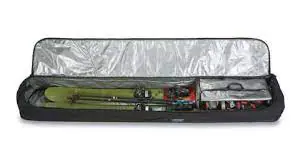
What Should You Pack in a Ski Boot Bag? (The Staples)
Think of the boot bag as your mobile base station: boots anchor it, and everything else orbits around them. Follow this ski boot bag packing order — heaviest and wettest at the bottom against the back panel, fragile items on top — and the bag stays balanced, dry and under weight.
- Dry the boots first. Buckle them loosely, pull the liners open, and make sure they are dry before travel; packing damp boots mildews liners and fogs the whole bag. Fasten the power straps or buckles so the shells don’t flop open and chip.
- Seat the boots in the boot garage. Place them heel-first, toes up, against the padded back panel. The rigid shells form the bag’s load-bearing core.
- Stuff the boots’ interiors. Use the dead space inside each shell for socks, glove liners, a neck gaiter and hand warmers — soft items that also cushion the shell.
- Drop the helmet into its dedicated pocket. Tuck goggles inside the helmet (lens up) and put gloves in the helmet’s ear-gap. Never let a bare goggle lens touch a boot buckle.
- Roll layers into the main compartment. One midlayer fleece and a spare base layer, rolled not folded, fill gaps around the boots and cushion everything.
- Isolate electronics and paper. A beacon (if you tour), phone charger, wallet and lift-ticket confirmations go in the interior security pocket, away from moisture.
- Top the wet pocket. A waterproof or TPU-lined wet/dry compartment holds a used base layer, swimwear for the hot tub, or wet gloves on the trip home.
- Clip on the outside. Exterior glove clips, daisy chains and compression straps carry a drying jacket or attach the boot bag to a wheeled ski bag.

The non-negotiable core list is short: boots, one pair of ski socks per day (plus a spare), helmet, goggles with a spare lens, gloves or mittens with liners, base layers, a neck gaiter, and hand/toe warmers. Everything else is optional.
What Extra Accessories Are Worth the Space?
Once the staples are in, add extras only if they earn their weight:
- Boot dryer or boot trays. A small portable boot dryer is a trip-saver on multi-day storms; a folding boot tray keeps lodge floors and car trunks clean.
- Tuning kit. A pocket wax scraper, edge tuner and cork keep edges sharp on a week-long trip — but keep sharp tools in your checked bag, not carry-on.
- Boot glove / buckle helper. A small rubber pad makes stiff buckles easy to close with cold fingers.
- Reusable dry bag. Contains wet boots on the drive or flight home so clean gear stays dry.
- Hydration flask and snacks. A slim insulated bottle fits a side pocket; the boot bag doubles as your lodge and road-trip kit.
- Travel lock and luggage scale. A TSA-recognized lock secures checked zippers; a portable scale prevents overweight surprises at the counter.
How Do You Pack for Kids and Family Ski Trips?
Family ski packing fails the moment one child’s boot goes missing in a shared bag. Use a system that scales with headcount:
- One boot bag per child who can carry one. Junior packs (30–45 L) fit kids’ boots plus their own helmet and gloves, and kids love carrying “their” bag. It also spreads weight across more people.
- Color-code and label everything. Colored luggage tags, zipper pulls or duct-tape initials on boots prevent the classic “identical black boot” mix-up in a condo entryway.
- Use a wheeled combo bag for the under-8 crowd. Toddlers can’t carry much; a 3-in-1 wheeled ski/boot bag lets one adult move the whole family’s gear in two trips.
- Double the small stuff. Extra socks, glove liners and neck warmers — children get wet three times as fast as adults.
- Pack snacks, sunscreen and a basic first-aid kit in the exterior pocket for the lodge and the drive.
Resorts keep reporting healthy crowds: U.S. ski areas tallied roughly 60.4 million skier visits in the 2023–24 season, the fifth-busiest on record (National Ski Areas Association, NSAA). Families are a growing share of that traffic, which is why kid-sized and family-format boot bags now outsell basic adult duffels for many brands. For more format ideas, see our roundup of the 7 best ski bags for winter.
Why Does a Well-Packed Boot Bag Matter?
The benefits compound across a whole season:
- Protects expensive boots. Custom-fitted alpine boots cost $400–$900; a padded, separated boot compartment stops shell cracks and buckle snaps during baggage handling.
- Avoids airline fees. Smart weight distribution keeps the combined ski + boot item under 50 lb, sidestepping overweight charges that often exceed the bag fee itself.
- Separates wet from dry. A vented boot garage and TPU wet pocket keep melted snow off your midlayers, wallet and electronics.
- Saves mornings. When boots, helmet and gloves live in the same pockets every trip, you are never hunting for a missing liner at 6 a.m.
- Reduces back strain. Contoured straps, a sternum strap and balanced load placement turn a 25 lb bag into a comfortable carry across a resort parking lot.
How Do You Store and Maintain a Boot Bag?
A boot bag works hard and lives in wet parking lots; a little maintenance adds years to its life.
- Empty and air it out after every trip. Open all zippers, remove the boot liner if it’s removable, and stand the bag open in a dry, ventilated spot — never sealed damp in a hot car trunk.
- Clean shells and fabric seasonally. Wipe the outside with a damp cloth and mild soap; rinse salt and road grime off wheels and zippers to prevent corrosion.
- Keep zippers smooth. A light zip with a silicone or wax lubricant prevents the seized zipper that kills a bag mid-trip.
- Store boots buckled and upright. Loosely buckle boots so the cuffs keep their shape, and store the bag in a cool, dry place away from direct sun to protect the fabric’s water-resistant coating.
- Inspect before each season. Check strap stitching, wheel axles and compression buckles; repair small frays early so a seam doesn’t blow at an airport.
From These Scenarios to Custom Ski Boot Bag Design
Every packing habit above is really a design requirement in disguise. When skiers ask for a bag that flies under 50 lb, separates wet gear, carries a family’s worth of boots and survives 100 trips a season, they are writing the spec sheet for a better product. That is exactly the brief JUNYUAN BAGS builds for brands, resorts and distributors.
JUNYUAN BAGS (registered trademark KEEP PERFECT) has specialized in outdoor and sports bag manufacturing since 2014, bringing 12+ years of manufacturing experience to custom ski boot bag projects. Our 30,000 sqm factory in Quanzhou, Fujian runs a monthly capacity of 1.5 million pieces, and we currently produce for 200+ brands exporting to 100+ countries. As a custom backpack manufacturer, we translate field-level use cases into production-ready bags.
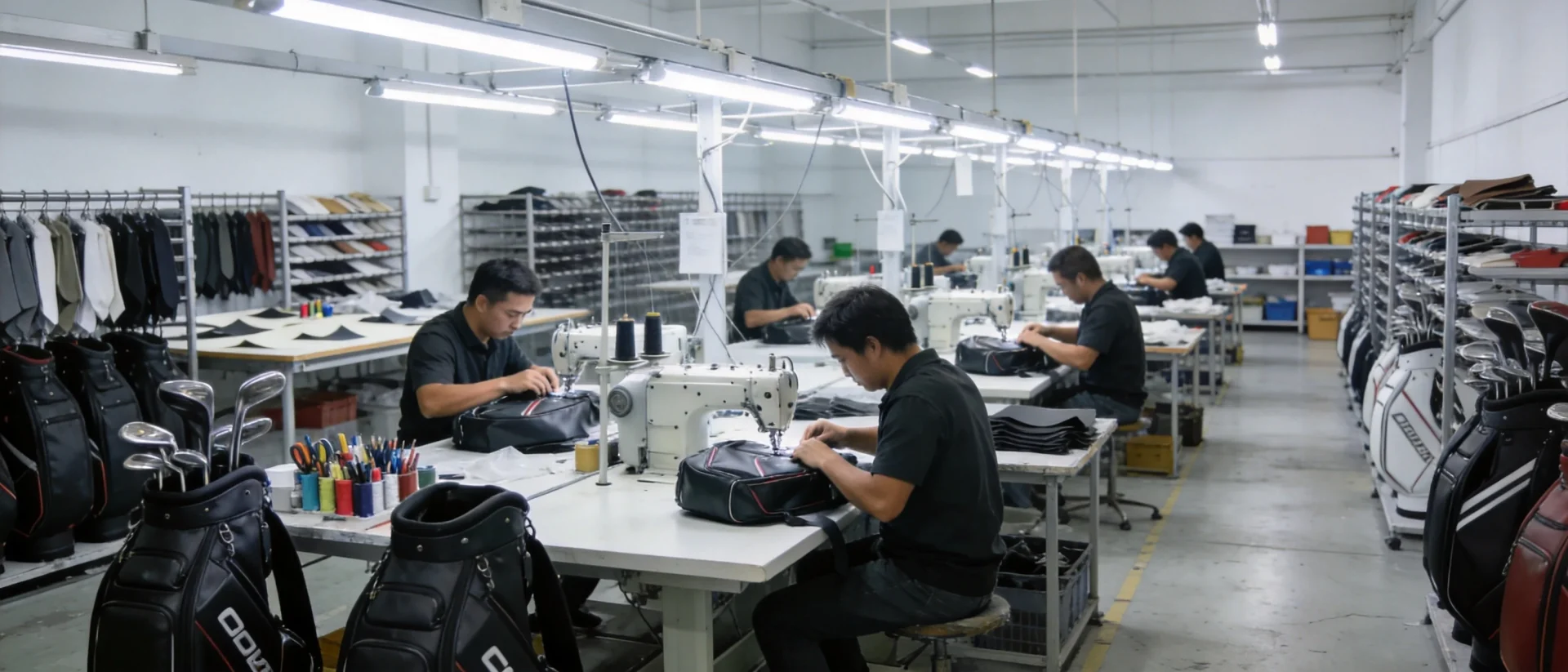
Here is how the packing scenarios in this guide map to custom ski boot bag design:
- Airline weight math → light-weighted construction. We spec high-tenacity 600D/900D polyester or ripstop nylon, TPU-lined wet pockets and weight-trimmed frames so a fully loaded family bag stays under the 50 lb combined allowance.
- Wet/dry separation → compartment engineering. Vented boot garages with mesh drainage, welded TPU wet pockets and a suspended helmet cradle are built into the pattern, not added after.
- Family and kids’ use → scaled formats. Junior 30–45 L packs, wheeled 3-in-1 combos and color-coded hardware can be developed per SKU, with reinforced stitching at strap and wheel load points.
- Travel durability → tested hardware. Silent inline wheels, YKK-grade zippers, compression straps and exterior daisy chains are validated for repeated baggage-handling stress.
- Brand identity → full OEM/ODM customization. Custom fabrics, colors, prints, woven labels, embossed logos and branded hangtags — plus optional recycled and bluesign-aligned materials for sustainability-led lines.
The custom program is built for B2B timelines: MOQ from 200 pcs per custom design, samples in 6–10 working days, and mass production in 35–50 working days. Sample fees are refunded against your first full order. Production is audited to BSCI and ISO 9001 standards, with SGS material testing available on request — the same rigorous process we apply across our OEM/ODM service range, including hard-goods lines such as our custom golf bag program. Browse the full ski backpack category for more range ideas.
Ready to turn a packing pain point into your next best-selling winter SKU? Request a quote with your target capacity, format and materials, or contact our team at [email protected] / WhatsApp +86 17750020688. Factory: C201-207, Huachuang Park, Tiyu Street, Huada Street, Fengze District, Quanzhou City, Fujian Province, China.
Frequently Asked Questions
How do you pack a ski boot bag for air travel?
Start with dry boots buckled loosely and placed heel-first in the padded boot compartment against the back panel. Stuff socks and glove liners inside the shells to save space and cushion them. Put the helmet in its dedicated pocket with goggles tucked inside, roll base layers and a fleece around the boots, and seal wet items in the TPU wet pocket. Keep electronics and documents in the interior security pocket. Weigh the bag with your ski bag together — most U.S. airlines count the two as one item under 50 lb (23 kg), so distribute heavy extras evenly to avoid overweight fees.
Can ski boots be carried on a plane?
Yes. The TSA permits ski boots and helmets in both carry-on and checked baggage; only ski poles are banned from the cabin because of their pointed tips. The practical limit is your airline’s carry-on size sizer — roughly 22 × 14 × 9 in on most U.S. carriers. A 55–70 L boot backpack rarely fits overhead bins, so many skiers check it and wear or carry boots separately when possible. Because custom-fitted boots cannot be replaced at a rental shop, carrying them on is the safest option when your bag fits; otherwise, keep a spare base layer in your carry-on as insurance.
What size ski boot bag do I need?
For boots only on day trips, a 30–45 liter bag fits one pair of adult boots up to about US men’s size 13 plus socks and gloves. For a full personal kit — boots, helmet, goggles, gloves and an extra layer — choose 55–70 liters, which handles a complete daily setup without creative stuffing. Families carrying multiple pairs or large amounts of gear should look at 80+ liters or a wheeled 3-in-1 combo ski and boot bag. Match the volume to your real daily load; an oversized bag packed half-empty shifts in transit and is harder to stow.
Do airlines count a ski bag and boot bag as one item?
Most major U.S. airlines — including Delta, United, American, Southwest, Alaska and JetBlue — accept one ski/pole bag plus one boot bag as a single checked item, as long as the combined weight stays under 50 lb (23 kg) and the equipment is packed in proper protective bags. Delta and similar carriers charge overweight fees above that threshold. Two caveats: keep the boot bag limited to ski-related items like boots and a helmet, since filling it with unrelated belongings can void the exception, and always confirm the current policy for your specific fare and route before flying.
What should you not pack in a ski boot bag?
Never pack wet or damp boots without drying them first, since trapped moisture mildews liners. Avoid loose goggles resting against buckles or edges — always put them inside the helmet. Sharp tools such as edge tuners and scissors cannot go in carry-on, so keep them in checked luggage. Do not overstuff the bag past zipper strain, and avoid putting all heavy items in one bag when you fly, since that pushes the combined ski and boot item over the 50 lb airline limit. Liquids over the carry-on limit also belong in checked baggage.
How do you pack ski boots for kids and family trips?
Give every child old enough to carry one their own 30–45 L junior boot bag with their boots, helmet and gloves — it spreads weight and builds responsibility. Color-code boots and bags with luggage tags or zipper charms so identical black boots never get mixed up. For toddlers and younger kids, use a wheeled 3-in-1 combo ski and boot bag so one adult can move all the gear. Pack double socks, glove liners and neck warmers, because children get wet far faster than adults, and keep snacks, sunscreen and a small first-aid kit in an exterior pocket.
How do I store and dry a ski boot bag between trips?
After each trip, empty every pocket, open all zippers and stand the bag in a cool, dry, ventilated area — never leave it sealed damp in a hot car trunk, which breeds mildew and breaks down the water-resistant coating. Pull removable boot liners open to air-dry. Wipe salt and road grime off the fabric, wheels and zippers with mild soap and water, and lubricate zippers with silicone or wax. Store boots loosely buckled and upright to hold their cuff shape, and inspect strap stitching, wheels and buckles before each season so small frays do not become mid-trip failures.
Can brands custom-design ski boot bags with specific compartments?
Yes. As an OEM/ODM manufacturer, JUNYUAN BAGS builds fully custom ski boot bags around your spec: vented boot garages, TPU-lined wet pockets, suspended helmet cradles, wheeled 3-in-1 combos, junior sizes and branded hardware. We work with 600D/900D polyester, ripstop nylon and optional recycled fabrics, with custom colors, prints, logos and labels. Custom orders start at a 200 pc MOQ, samples ship in 6–10 working days and mass production runs 35–50 working days, with BSCI, ISO 9001 and SGS-backed quality control. Email [email protected] or request a quote to start a sample.
Whether you are a skier refining your own packing routine or a buyer developing next season’s line, the same principle applies: a boot bag should make the hard parts of ski travel — weight, wet gear, airport rules — disappear. Pack it once, pack it right, and focus on the snow.