
Why Yeti Bags Are So Expensive
A factory-backed breakdown of exactly what a Yeti-style weatherproof duffel, carryall tote, outdoor pack and insulated cooler actually cost to build – where the weatherproof construction, heavy hardware and lifetime-durability positioning add real money, and where the brand premium still starts – plus honest budget alternatives that match the spec.
Yeti bags are genuinely expensive for two honest reasons at once: a real, above-market weatherproof build, and a very large brand-and-lifetime positioning premium that sits on top of it. A waterproof “Panga-style” marine duffel typically retails around $325–$450 (approx.), a rugged carryall tote around $275–$325 (approx.), a 40L outdoor pack around $200–$375 (approx.), and an insulated soft cooler around $250–$425 (approx.). On the factory bench the honest build cost of those same grades is much lower: a marine-grade waterproof duffel builds for about $28–$45 (typical), a rugged carryall tote for $20–$32 (typical), a 40L outdoor pack for $22–$36 (typical), and an insulated soft cooler for $25–$40 (typical). In other words, Yeti spends genuinely and above most competitors on TPU-welded waterproof bodies, marine-grade zips, heavy hardware and quality insulation – but the remaining brand, marketing, retail footprint and no-questions warranty still carry the biggest part of that $250–$450 ticket, and the same weatherproof spec is buyable through OEM at a fraction of the price.
TL;DR / Quick Answer
You are not paying only for a bag: part of a Yeti price is real weatherproof engineering, and a larger part is the brand, durability promise, retail footprint and warranty overhead. A marine-grade waterproof duffel builds for roughly $28–$45 (typical), a rugged carryall tote for $20–$32 (typical), a 40L outdoor pack for $22–$36 (typical), and an insulated soft cooler for $25–$40 (typical) – at retail those same products run $200–$450 (approx.). The honest features worth paying for – TPU-welded waterproof seams, marine-coated zips, a rigid reinforced base, stress-point webbing and real insulation – add roughly $8–$18 per bag (approx.) over a basic build; the rest is brand and retail premium. Match the grade to the job. If you actually live out of a boat, on a deck, or in constant rain and rough handling, the weatherproof engineering is worth real money – otherwise a rugged but cleaner spec, a value insulated carryall, or a private-label OEM build delivers the experience for a fraction of the ticket. For the waterproof and carry-side of that decision, our custom waterproof bag guide compares the construction grades side by side.
1. Where the Yeti Price Actually Goes
The fastest way to answer “why is Yeti so expensive?” is to split the retail dollar of a typical Yeti-style bag into what is actually inside and what is wrapped around it. From the factory bench, a weatherproof/rugged bag and an ordinary duffel or tote are different products: the build is denser and the equipment (heat/RF welding, marine zips, gasketed hardware) costs more. But the retail premium still vastly exceeds that build gap. Here is an honest look at where each ticket goes:
| Part of the Ticket | Waterproof Duffel (approx.) | Crossroads-Style Pack (approx.) | Insulated Soft Cooler (approx.) |
|---|---|---|---|
| Materials & trim (woven shell, TPU laminate, zips, hardware) | $8–$14 | $6–$10 | $7–$12 |
| Welding, assembly, insulation & labor | $10–$16 | $7–$12 | $8–$13 |
| Tooling amortization, QC, certified/marine spec | $5–$9 | $4–$7 | $5–$8 |
| Nominal factory margin on the open spec | $5–$6 | $5–$7 | $5–$7 |
| Brand, marketing, R&D, retail footprint, warranty overhead | $230–+$300 | $140–+$300 | $170–+$380 |
| Typical retail ticker | $325–$450 | $200–$375 | $250–$425 |
The message is consistent across the range: the physical product is genuinely better than a throwaway bag, but the price-to-build gap is still 7–12× at the high end.
2. A Factory-Level Cost Ledger for a Yeti-Style Bag
Here is the simplest honest way to see the cost structure: what each grade actually costs to make in a mid-volume affiliated factory that builds weatherproof and insulated soft goods for many brands. Figures are typical open-market estimates, not a quote.
| Yeti-Style Product | Typical Retail (approx.) | Typical Build Cost | Multiplier (retail vs build) |
|---|---|---|---|
| Panga-style waterproof duffel (50L) | $325–$450 | $28–$45 | ~8–12× |
| Camino-style rugged carryall tote | $275–$325 | $20–$32 | ~9–13× |
| Crossroads-style 40L outdoor pack | $200–$375 | $22–$36 | ~7–10× |
| Hopper-style insulated soft cooler | $250–$425 | $25–$40 | ~8–11× |
| Honest upgrade worth paying for over a basic bag | n/a | +$8–+$18 | feature only |
Because the build gap between a rugged/waterproof product and a basic duffel is real but modest (a few dollars per bag), most of the $250–$450 sticker is brand, lifestyle marketing, the “built for the wild” durability promise, the no-questions warranty, and a largely direct-to-consumer retail model that carries its own cost.
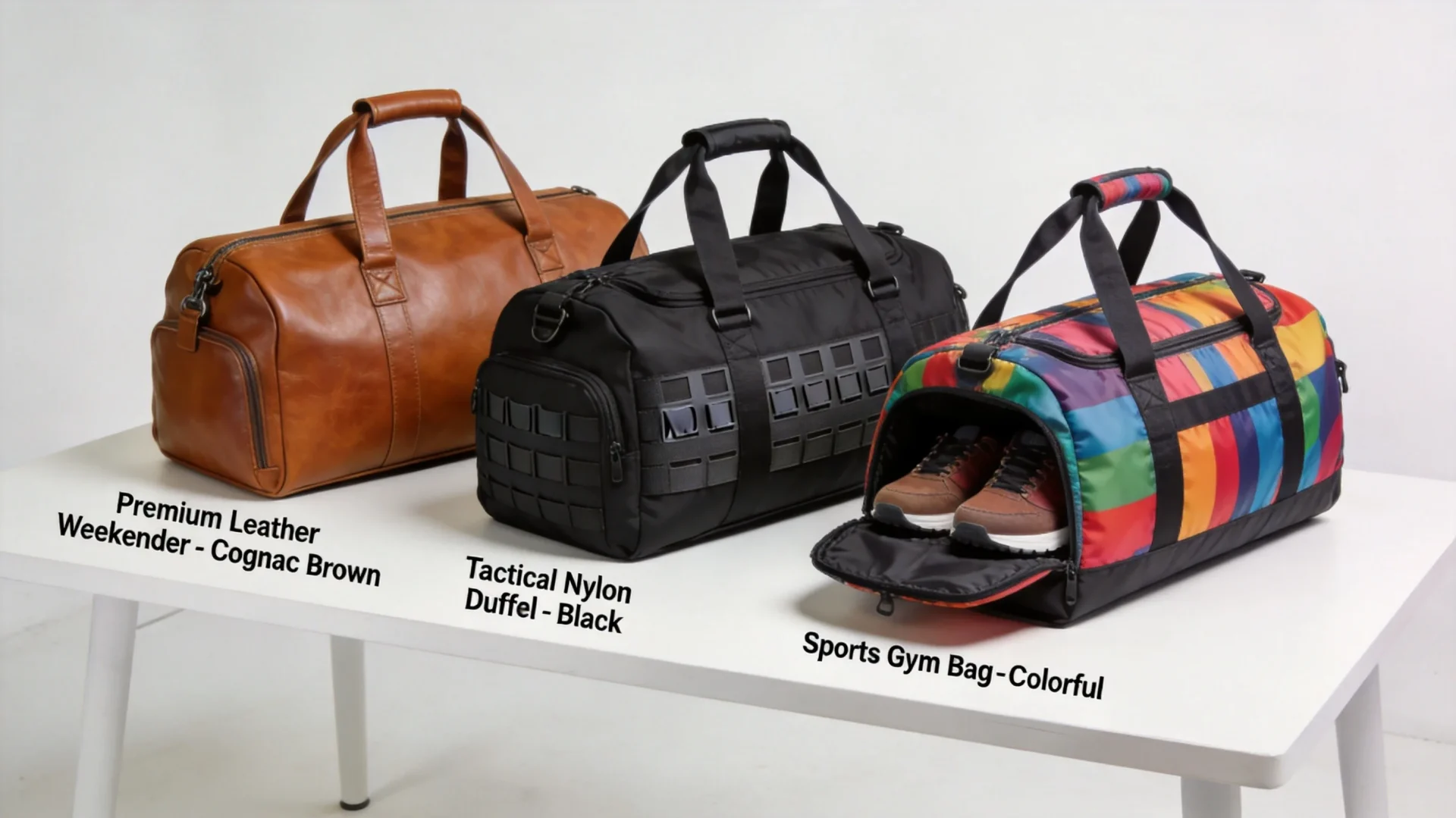
3. Material & Build: The Features That Make Yeti “Expensive”
Not every part of a Yeti price is branding. On the factory bench, a genuinely weatherproof and rugged build uses materials and methods a typical $30 retail duffel never touches. Here is what actually differs, feature by feature, and what each is worth:
| Component | Yeti-Style Rugged/Waterproof Build | Basic $30 Retail Bag | Honest Cost Impact Per Bag |
|---|---|---|---|
| Shell fabric | Dense woven shell + TPU/laminate or marine-grade coated textile | Lightweight woven polyester/nylon without waterproofing | +$3–$6 |
| Waterproofing method | RF/heat-welded seams or sealed/coated fabric, gasketed openings | Sewn seams, no sealing | +$2–$4 |
| Zips & hardware | Marine-coated or weatherproof zips, chunky reinforced pulls, gasketed hardware | Standard zips, basic hardware | +$2–$4 |
| Base & stress points | Reinforced rigid base, heavy bar-tacking, load-rated webbing handles | Single-layer base, basic stitching | +$1–$2 |
| Insulation (cooler side) | Thick foam core + waterproof/thermal liner, leak-tested | No insulation or thin liner | +$3–$6 |
| Total real upgrade over basic | weatherproof + heavy-duty + insulation | +$8–+$18 | |
These are real, buyable spec upgrades. They are also exactly what a smaller, honest weatherproof or insulated bag brand – or a private-label waterproof bag run – can deliver without the $300 sticker, whether you want a rugged carryall tote or a durable travel bag.
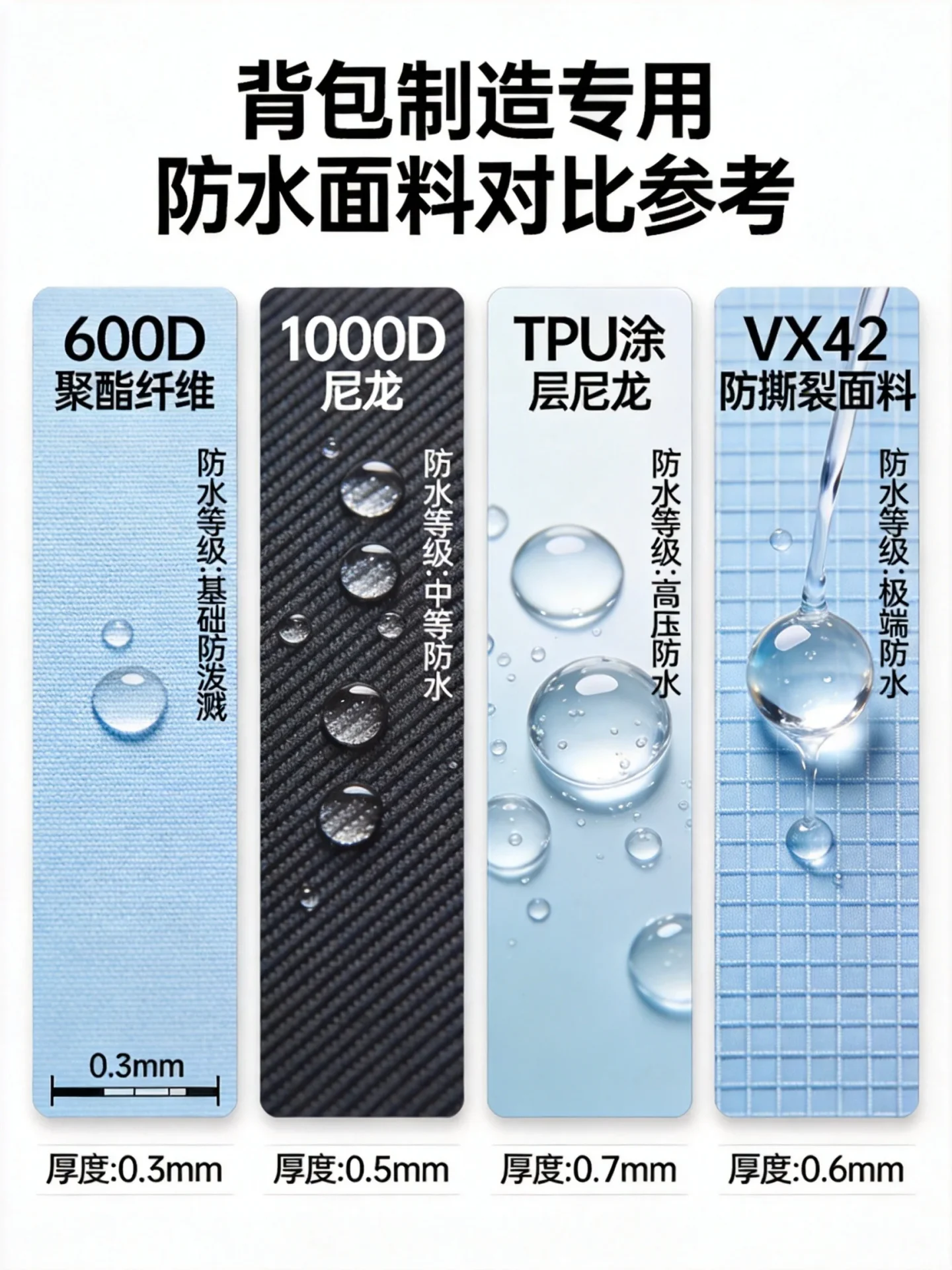
4. The Molds, Dies and Tooling That Add Cost
Weatherproof and insulated bags are not just “sewn tougher” – they need infrastructure a plain sewing shop does not have. A big share of Yeti’s R&D and manufacturing moat is really a tooling moat: RF welding dies, leak-test fixtures, insulation assembly lines and marine-spec tolerances. Here is what that tooling looks like at factory scale:
| Tooling / Step | Purpose | Typical One-Off Cost at Our Affiliated Grade | What It Does to Price Per Bag |
|---|---|---|---|
| RF/heat-welding dies per panel | Fuses waterproof seams instead of stitching | $3,000–$6,000 per die (typical) | Amortized $1–$3 |
| Cutting dies for shell & insulation foam | Consistent, sealed panel dimensions | $1,200–$3,500 per die (typical) | Amortized $0.5–$1 |
| Leak-test & QC fixtures | Air/water-integrity checks on every welded seam | $800–$2,500 per fixture (typical) | QC $0.5–$1.5 |
| Marine-spec zip & hardware tooling | Weatherproof enclosure integrity | $1,500–$4,000 (typical) | Amortized $1–$2 |
On a low-volume run these tooling costs are painful; on a scaled, high-volume line they drop to a few dollars per bag. That is why the honest TSV (total spec value) of a weatherproof build is real but still a fraction of the retail price.
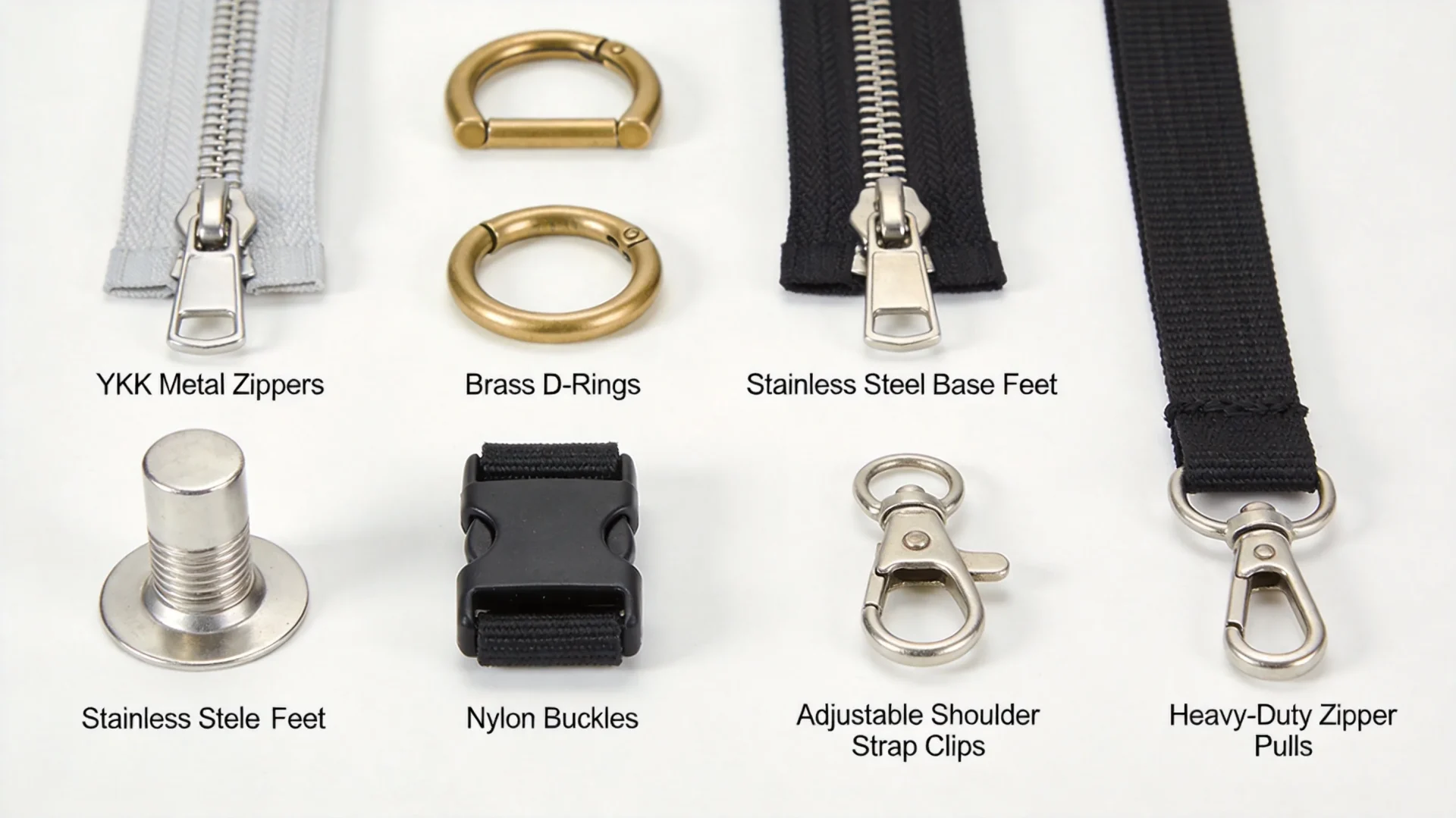
5. How a Yeti-Style Bag Is Actually Built
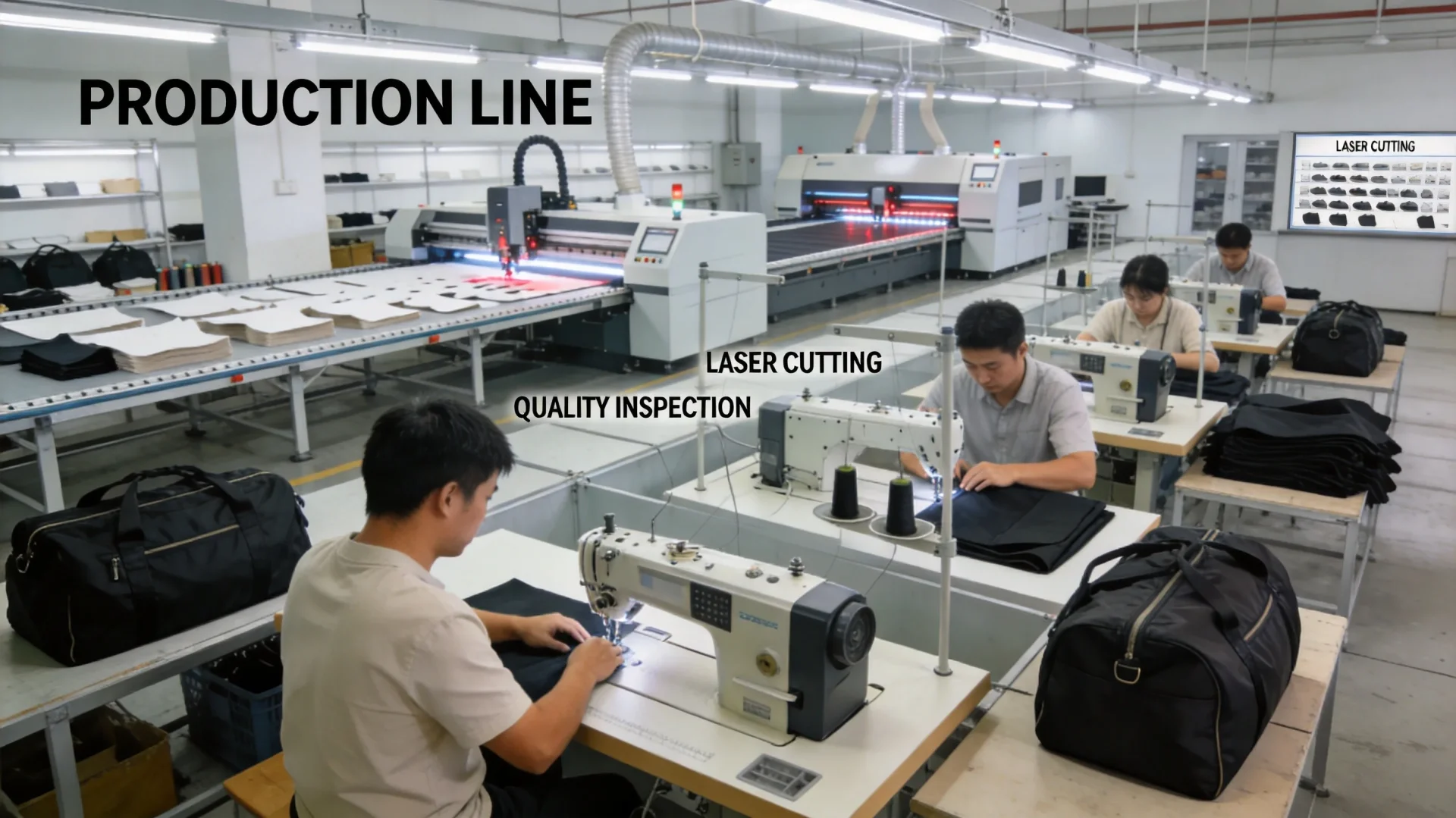
To feel where the money “is” and “isn’t”, it helps to trace the build. In a mid-volume affiliated factory that makes weatherproof and insulated soft goods for many brands (typical mid-size unit: roughly 4,950 sqm, 137 staff, 7 production lines, 149 machines including 126 sewing units, monthly capacity about 200,000 pieces, serving 200+ brands across 100+ countries, as of 2026), a rugged/waterproof bag passes through a specific sequence:
- Pattern & cutting – sealed dye-cut panels for both shell and insulation foam, cut to consistent tolerances.
- Welding / seam sealing – RF or heat welding fuses the TPU/coated fabric into a waterproof body where plain sewing would leak.
- Insulation assembly (cooler side) – foam core inserted, thermal/waterproof liner set, stitch-and-turn for a clean sealed edge.
- Hardware & base build-up – marine zips installed, gasketed openings set, reinforced base and bar-tacked stress points added.
- Leak test & final QC – every waterproof/insulated unit passes an integrity check before packing.
The short version: the “expensive” part of a Yeti build is mostly tooling and manufacturing rigor for weatherproofing and insulation – genuinely valuable, but a discrete, buyable cost, not an unreachable secret.
6. So Which Is Worth It? The Verdict
Whether a Yeti bag is “worth it” comes down to the same rule as every premium in this series: separate the honest engineering from the brand.
- Genuinely worth paying for: TPU-welded waterproof seams, marine-coated zips, a reinforced base, load-rated webbing, and certification-grade insulation on the cooler side. These are real, and no $30 grocery-store bag has them.
- Probably not worth the sticker: the remaining $200+ comes from lifestyle positioning, the durability myth-bust, retail footprint and warranty overhead – all of which add to price but not to the physical product you carry.
- The honest alternative: buy a rugged weatherproof duffel or carryall, a value insulated cooler, or have the same spec built under your own label through OEM – getting the durable engineering without paying the badge tax.
The verdict: Yeti is expensive partly because it is genuinely well-built and weatherproof, and partly because the brand adds a very large premium on top. If you truly abuse gear outdoors, on the water, or in constant rain, the weatherproof engineering is worth real money – buy the grade, not the badge. For everyone else, a rugged but honest spec or a private-label OEM build matches the experience for a fraction of the price. Where you land depends on how much of that premium is actually doing work for you and how much is just the label on the side.
Build a Rugged, Weatherproof or Insulated Bag Under Your Own Brand
Our affiliated factory builds waterproof duffels, rugged carryalls, outdoor packs and insulated soft goods to OEM/ODM spec – the same open-market engineering as the premium brands, at a fraction of the retail price. Tell us the grade you need, and we handle pattern, welding, hardware, insulation and QC.
FAQ: Why Yeti Bags Are So Expensive
Is a Yeti bag actually worth the high price?
Only if the weatherproof and rugged engineering is doing real work for you. The build is genuinely above average – welded waterproof seams, marine zips, reinforced base, real insulation – typically $8–$18 per bag (approx.) over a basic build. If you genuinely abuse gear outdoors, on the water or in constant rain, that engineering is worth paying for; otherwise most of the $250–$450 sticker is brand and retail premium you can avoid.
Why does Yeti charge so much more than a normal duffel bag?
Two reasons stack. First, a weatherproof/rugged build actually costs more to make (TPU welding, marine hardware, insulation and leak-test QC add roughly $8–$18 per bag typical). Second, Yeti adds a large brand-and-lifetime-positioning premium on top – lifestyle marketing, no-questions warranty overhead and a largely direct-to-consumer retail model – which is what pushes most of the bag to its $250–$450 (approx.) price.
What is the real difference between a Yeti-style bag and a cheaper one?
The genuine differences are material and method: a dense woven shell with TPU/waterproof coating, RF-welded or sealed seams instead of plain stitching, marine-coated zips, a reinforced rigid base, load-rated webbing and (on the cooler side) a real insulated core that is leak-tested. A $30 retail bag typically has none of those. That is the honest engineering difference – but it is buyable at a fraction of the retail price.
How much does a Yeti-style waterproof duffel cost to make?
A marine-grade waterproof duffel typically builds for about $28–$45 (typical) in a mid-volume affiliated factory at the open-market spec, versus $7–$18 (typical) for a basic athletic duffel. Tooling for welding dies and leak-test fixtures is added separately and amortizes into a few dollars per bag at scale.
Is the Yeti warranty part of why it costs so much?
Partially. A credible no-questions durability promise carries real overhead – replacement stock, logistics and service staff – and brands fold that cost into the ticket. It is a legitimate part of the price, but it is service overhead, not extra material in the bag, and it does not show up in the physical product you carry.
Are there budget alternatives to Yeti bags that are still tough?
Yes. A rugged weatherproof duffel, carryall or insulated cooler from smaller outdoor/utility brands – or a private-label OEM build – delivers the same TPU-welded shell, marine hardware, reinforced base and insulation for a fraction of the Yeti price. The honest upgrade value of the durable features is roughly $8–$18 per bag (approx.); the rest is the badge.
Does a waterproof Yeti bag cost more to manufacture than it should?
Not more than the materials demand. The weatherproof spec genuinely costs more to build than a basic bag (again, roughly $8–$18 per bag typical, plus welding tooling and leak-test QC). What is “high” is not the build cost but the retail multiple – the build is a fraction of the $250–$450 (approx.) ticket because brand, retail and warranty overhead make up the difference.
Can I get a rugged, weatherproof or insulated bag built under my own brand?
Yes. The open-market weatherproof and insulated spec is a standard OEM/ODM capability. A mid-volume affiliated factory can produce waterproof duffels, rugged carryalls and insulated coolers to your spec, from pattern and welding to hardware, insulation and leak-test QC – at a fraction of the retail price of the premium brand.
Disclaimer: Retail and factory figures in this article are industry-typical approximations used to explain cost structure – not precise quotes or guaranteed prices. Actual pricing depends on your specification, volumes and prevailing conditions. Approx./typical labels apply to every figure above.
OEM perspective note: JUNYUAN BAGS operates as a bag trading and sourcing organization backed by an affiliated factory and partner factories in Quanzhou, Fujian. We do not claim to manufacture for any named brand, nor do we represent any brand’s proprietary design. Figures describe the open, buyable spec that any brand can source.