
Best Gym Backpack with Shoe Compartment: 2026 Expert Guide
Walking into a gym with a backpack that smells faintly of yesterday’s workout is an experience every athlete wants to avoid. The solution is straightforward: invest in a gym backpack with shoe compartment separation. These purpose-built bags isolate sweaty footwear and dirty laundry from clean clothes, electronics, and nutrition supplies — and they do so while keeping your hands free and your posture balanced.
This guide walks through everything fitness professionals, gym owners, and retail buyers need to know before choosing the best gym bag for their needs — specifically, a workout backpack with shoe compartment architecture. We cover the anatomy of a great shoe pocket, compare backpacks against duffels and totes, break down selection criteria by activity type, and explain how brands can work with a custom gym bag manufacturer to develop private-label product lines.
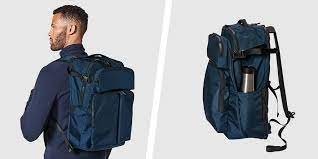
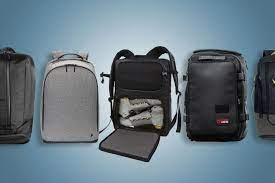
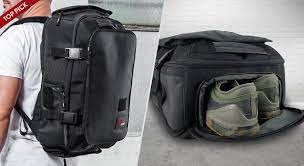
What Is a Shoe Compartment in a Gym Backpack?
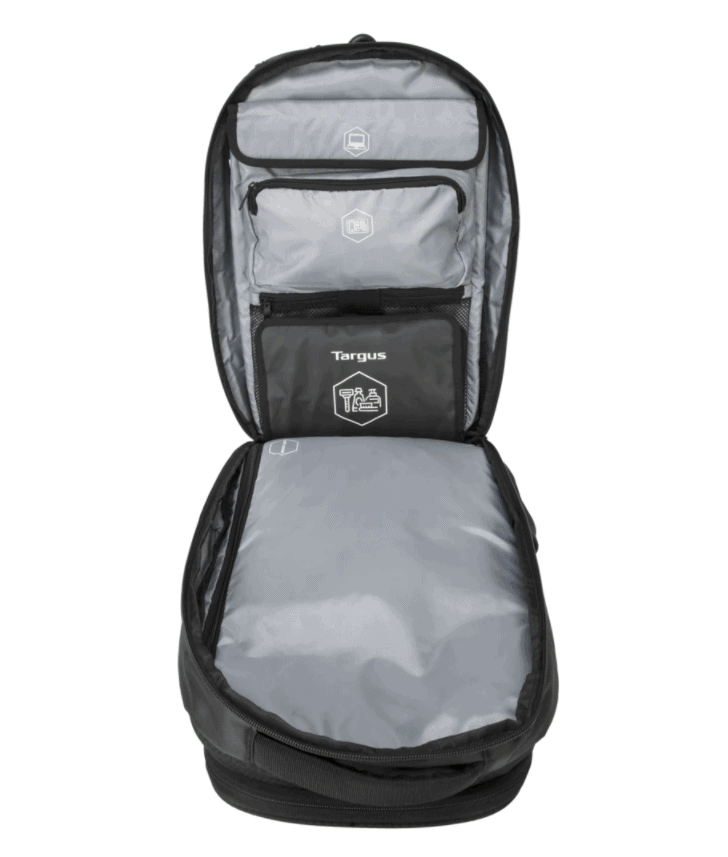
A shoe compartment is a dedicated, separately accessible pocket designed to hold athletic footwear apart from the main storage area of a backpack. On most quality gym backpacks, it is positioned at the bottom or along one side of the bag and is constructed with water-resistant lining and mesh or perforated ventilation panels. The compartment typically opens via its own zipper, allowing the user to stash or retrieve shoes without opening the main compartment.
Bottom-Entry vs. Side-Entry Shoe Pockets
The two dominant configurations are bottom-entry and side-entry. A bottom-entry shoe tunnel spans the full width of the bag’s base, providing a flat, wide sleeve that accommodates larger shoe sizes up to US 14 or EU 48. A side-entry pocket is more compact and often doubles as a wet/dry pouch for swim gear or a compression panel for a change of clothes. Side-entry designs are lighter but may struggle with high-top basketball shoes or bulky lifting boots.
Ventilated vs. Sealed Lining
Ventilated shoe pockets use air-mesh gussets to let moisture escape, reducing bacterial buildup and odor. Sealed-lining pockets, usually made from TPU or PEVA, are fully waterproof and ideal for containing wet swimsuits or muddy trail shoes — but they require the user to air out the contents promptly. The best gym backpack with ventilated shoe pocket designs combine a mesh vent with a removable, wipe-clean liner so buyers get the advantages of both approaches.
Why a Dedicated Shoe Compartment Matters
Anyone who has tossed running shoes into a regular backpack understands the problems: shoe grime transfers to clean gear, laces tangle with headphone cables, and the entire bag develops a persistent locker-room odor. A dedicated compartment solves all three issues at once.
Hygiene and Odor Control
Athletic shoes carry bacteria, road salt, gym-floor residue, and moisture. When sealed inside a main compartment with clothing and towels, that environment becomes a petri dish. Isolating footwear in a ventilated pocket allows airflow and prevents cross-contamination. For shared-use settings — hotel gyms, university recreation centers, corporate wellness rooms — this hygiene benefit is not a luxury; it is a baseline expectation.
Gear Protection and Organization
Shoe soles are abrasive. They can scuff laptop finishes, snag compression fabrics, and puncture water-blaster reservoirs. A separate compartment creates a physical barrier. It also speeds up packing and unpacking: shoes always go in the same place, so athletes spend less time rummaging before a class or after a match.
Extending Bag Lifespan
Moisture trapped inside a backpack’s main cavity degrades stitching, delaminates coatings, and promotes mildew on padded back panels. By channeling damp footwear into a vented, lined zone, the rest of the bag stays drier and lasts longer. For a brand sourcing an OEM gym backpack, this durability translates directly into lower warranty returns and stronger customer reviews.

Top Features to Look for in the Best Gym Backpack
Beyond the shoe compartment itself, several features separate a mediocre gym backpack from one that earns five-star ratings. Retail buyers and product developers should evaluate each of the following when spec’ing a private-label fitness bag.
Ventilation and Moisture Management
Look for air-mesh panels on the shoe pocket, a suspended and padded back panel with airflow channels, and moisture-wicking shoulder straps. Bags that include a separate wet/dry pouch for post-workout clothing or swim gear score extra points. The compartment’s zipper should be corrosion-resistant — YKK or SBS zippers with a water-repellent coating are industry standards.
Capacity and Compartment Layout
Capacity for a gym backpack typically ranges from 25 L to 45 L. A 25–30 L bag suits daily gym sessions with a change of clothes, shoes, and a tablet. A 35–45 L bag is appropriate for multi-sport athletes, weekend warriors who train outdoors, or anyone who carries a laptop plus gym gear. Key internal zones include a padded laptop sleeve (15.6 inches is the sweet spot), a fleece-lined valuables pocket, a dedicated water-bottle sleeve, and the shoe tunnel.
Material and Durability
Premium gym backpacks use 600D to 1680D ballistic polyester or 420D ripstop nylon with a PU or DWR coating. These fabrics resist abrasion from barbells, kettlebell handles, and concrete locker-room floors. Bottom panels should be reinforced with a higher-denier fabric or a TPU tarpaulin that wipes clean. Stress points — shoulder-strap anchors, haul handles, and zipper bases — need bartack stitching or box-and-X reinforcement.
Comfort and Carrying Ergonomics
Padded, contoured shoulder straps with load-lifters, a sternum strap, and an adjustable hip belt distribute weight for heavier loads. A breathable back panel prevents the sweat-soaked-shirt syndrome that discourages people from wearing backpacks to the gym. For commuters who cycle or walk, a luggage pass-through sleeve that slides over a rolling suitcase handle is a high-value feature.
Water-Resistance and Weather Protection
A DWR (durable water repellent) finish sheds light rain and accidental shower spray. For users in wet climates or those who train outdoors, a bag with a concealed rain cover or a TPU-lined main compartment offers additional protection. Note that “water-resistant” is not “waterproof” — if the product copy claims submersion protection, the seams must be tape-sealed and the zippers must be waterproof-rated.
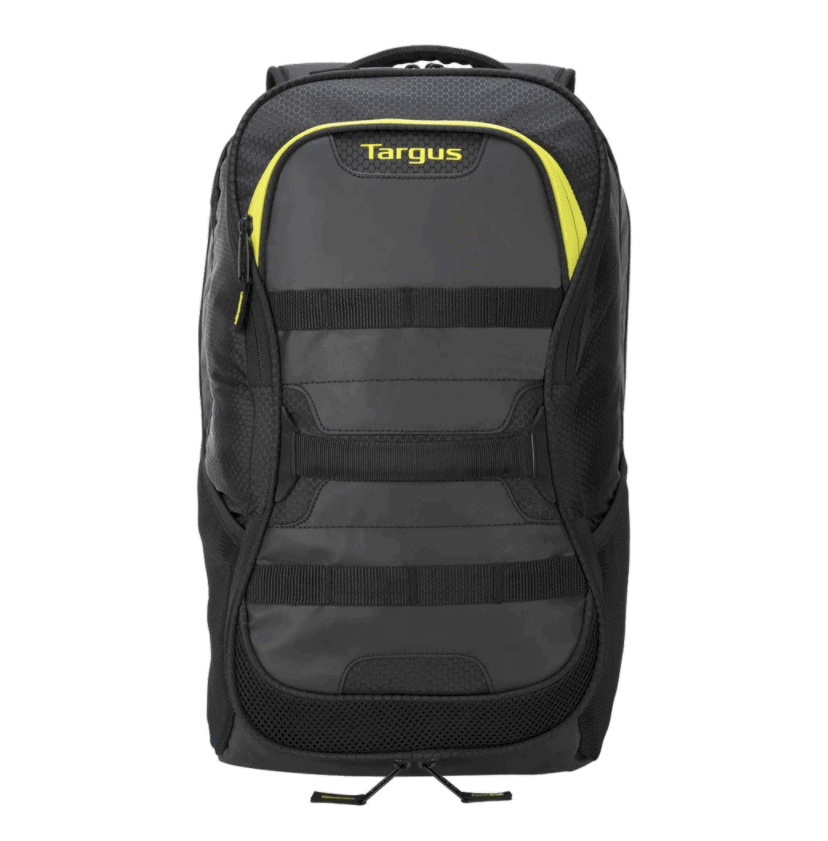
Gym Backpack vs. Duffel vs. Tote: Which Is Right for Your Customers?
Backpacks are not the only gym bag format on the market. Duffels and totes each have loyal followings, and the right choice depends on how the end user trains, commutes, and stores gear. The comparison below summarizes the trade-offs.
| Feature | Gym Backpack | Duffel Bag | Tote Bag | Weekender |
|---|---|---|---|---|
| Carrying style | Hands-free, dual shoulder straps | Shoulder sling or dual handles | Dual top handles, open top | Handles + optional shoulder strap |
| Shoe storage | Dedicated ventilated bottom/side compartment | End-pocket sleeve or divider | Rarely included; add-on pouch | Bottom zip pocket (varies) |
| Typical capacity | 25–45 L | 30–60 L | 15–30 L | 40–55 L |
| Laptop protection | Padded sleeve (most models) | Sleeve in select models | Rarely padded | Occasional sleeve |
| Commuter friendly | Excellent — balanced weight, free hands | Moderate — awkward on bikes | Good for short walks | Best for car/transit travel |
| Best for | Daily gym, commuters, students | Team sports, heavy gear, bulky items | Yoga, Pilates, light studio sessions | Overnight trips, weekend tournaments |
For brands building a full bag line, it often makes sense to offer more than one format — and to study what makes popular packs succeed. Our breakdown of top Jester backpack alternatives examines how commuter-focused design influences gym-ready backpack engineering. A gym backpack with shoe compartment serves the daily-commuter segment; a duffel covers team-sport athletes who need bulk capacity; a tote captures the studio and boutique-fitness audience. Buyers can explore manufacturing options for each format in our guides to custom duffel bag manufacturing, custom sports backpack production, and custom tote bag manufacturing.
How to Choose a Gym Backpack by Activity
Different sports place different demands on a bag. A powerlifter needs room for sleeves and a belt; a runner wants something light that does not bounce; a CrossFit enthusiast may need to carry lifters, jump rope, grips, and a change of clothes. Matching the bag to the activity improves satisfaction and reduces returns.
Weightlifting and Powerlifting
When selecting the best gym bag for strength athletes, prioritize a 35–45 L bag with a wide-opening main compartment for knee sleeves, a lifting belt, wrist wraps, and chalk. A reinforced bottom panel is essential because these bags are frequently set on platform floors. Look for a shoe tunnel wide enough for flat-soled lifting shoes or high-top squat shoes.
Running and Triathlon
Lightweight (under 800 g empty) and compact (25–30 L) is the target. Runners often want a bag that can clip to a race-transition rack, so a built-in hook or daisy-chain webbing helps. Ventilation is critical because post-run shoes are soaked; seek a gym backpack with ventilated shoe pocket construction and moisture-wicking back foam.
Yoga, Pilates, and Studio Fitness
A slimmer profile with external mat straps works well. These users carry less bulk — a change of clothes, grip socks, a water bottle, and a towel — so a 20–30 L bag with a smaller shoe or sandal pocket is sufficient. Aesthetic design and color variety matter more in this segment than in heavy-duty strength sports.
Cross-Training and Functional Fitness
Versatility is key. A 30–40 L backpack with a separate shoe compartment, a wet/dry pouch, molle-compatible webbing for accessories, and a padded laptop sleeve covers everything from early-morning WODs to office commutes. Durability should be on par with outdoor-grade packs because these bags see barbell knurling, rope climbs, and box jumps.
Combat Sports and Martial Arts
Gi uniforms, gloves, shin guards, and headgear are bulky and often damp. A 40–45 L bag with an oversized shoe tunnel that doubles as a gear compartment, plus antimicrobial lining, handles the load. Heavy-duty zippers and reinforced seams are non-negotiable.

OEM and ODM Gym Backpack Manufacturing at Scale
For fitness brands, e-commerce sellers, and retail chains looking to launch a private label fitness bag or a full gym backpack with shoe compartment line, partnering with an experienced manufacturer is the fastest path to market. JUNYUAN BAGS specializes in OEM and ODM production of custom sports and fitness backpacks, with the engineering depth to translate a sketch or a reference sample into a production-ready bag.
Manufacturing Capabilities and Capacity
JUNYUAN BAGS operates a 4,950-sqm affiliated factory with an annual output of approximately 2.4 million pieces. The company has served more than 200 brand customers across over 100 countries, producing backpacks, duffels, totes, and travel bags for fitness, outdoor, and lifestyle markets. The founder entered the bag industry in 2004, bringing over two decades of hands-on manufacturing expertise; the company itself was established in 2014 and has since built a vertically integrated supply chain covering fabric sourcing, cutting, printing, embroidery, stitching, QC, and packing.
SGS audit data reflects a production team of 137 personnel operating across 4,950 square meters of workshop floor with 149 sewing and auxiliary machines, yielding a monthly capacity of roughly 200,000 units. This scale allows JUNYUAN BAGS to support both startup MOQs (typically 300–500 pieces per color per style) and large retail replenishment orders with consistent lead times.
Customization Options for Private-Label Fitness Bags
Brands can customize virtually every element of a gym backpack with shoe compartment:
- Fabrics: 600D/900D/1680D polyester, 420D/500D ripstop nylon, recycled rPET, tarpaulin, and canvas blends
- Hardware: YKK, SBS, or custom-branded zippers; metal or plastic buckles; magnetic snaps
- Branding: woven labels, rubber PVC patches, reflective heat-transfer logos, embroidery, laser-engraved metal plates
- Colors and prints: custom Pantone-matched solids, sublimation prints, camouflage patterns, gradient dyeing
- Structural modifications: adjustable shoe-tunnel depth, removable dividers, expandable main compartments, integrated USB ports, anti-theft back pockets
- Sustainable lines: GRS-certified recycled polyester, organic cotton trims, biodegradable packaging
Quality Control and Compliance
Every batch goes through inline inspection at cutting, printing, and stitching stages, followed by a final AQL 2.5 audit before shipment. Materials can be tested to reach REACH, CPSIA, and California Prop 65 compliance, and the factory holds BSCI and Sedex audit records. For brands selling into the EU or North America, JUNYUAN BAGS provides material declarations, lab-test reports, and shipping documentation as part of the standard service.
From Concept to Delivery
The typical ODM project follows a clear timeline: design consultation and material selection (1 week), prototype sampling (7–10 days), sample revision and approval (1 week), bulk production (30–45 days), and QC plus ocean or air freight (variable by destination). OEM projects using an existing JUNYUAN BAGS base model can move faster — often from deposit to delivery in under 40 days.
To discuss a custom gym bag manufacturer partnership or request a factory audit report, contact the team at [email protected] or WhatsApp +86 17750020688. You can also browse existing designs in the backpack category and the custom travel bags catalog.
Frequently Asked Questions
What size shoe compartment do I need?
For most adults, a shoe pocket that fits up to US men’s size 12 (EU 46) is sufficient. If you wear high-top basketball shoes, lifting boots, or trail shoes with bulky outsoles, look for a compartment rated to US size 14 (EU 48) or an expandable side-entry pocket. Always check the internal dimensions rather than relying on a generic “large” label, because shape and gusset depth vary widely between manufacturers.
Can a gym backpack with shoe compartment be used for travel?
Yes. Many gym backpacks in the 35–45 L range work as personal-item carry-ons for budget airlines. The shoe compartment is useful for separating worn shoes from clean travel clothes, and the padded laptop sleeve keeps electronics protected. Look for a bag with a luggage pass-through panel and stowable sternum/hip straps for the best travel experience. If you frequently take overnight trips, you may also want to explore the custom travel bags collection for larger weekender options.
How do I clean and maintain a gym backpack with shoe pocket?
Empty the bag after every use and leave the shoe compartment unzipped to air out. For routine cleaning, wipe interior and exterior surfaces with a damp cloth and mild soap; avoid machine washing unless the care label explicitly allows it, as agitator cycles can damage padding and delaminate coatings. Remove the liner or insole board if the design permits, and let everything dry completely before storage. For persistent odors, a baking-soda paste or an enzymatic sports-gear spray works better than harsh detergents.
What is the best material for a workout backpack shoe compartment?
The outer shell should be 600D polyester or higher (or 420D ripstop nylon for lighter bags) with a DWR or PU coating. The shoe compartment lining should be a smooth, wipeable material such as 210D polyester with PU backing, PEVA, or TPU-coated fabric that resists moisture and is easy to clean. Ventilation panels should be a durable air-mesh or hole-punched foam that maintains airflow without letting dirt escape into the main compartment.
Are gym backpacks with shoe compartments waterproof?
Most are water-resistant, not fully waterproof. A DWR coating and water-repellent zippers handle rain and splashes, but unless the seams are tape-sealed and the zippers are rated waterproof (e.g., YKK AquaGuard), the bag should not be submerged. If your customers train in heavy rain or need to carry wet swim gear regularly, opt for a model with a TPU-lined wet/dry pocket and include a separate rain cover as an accessory.
What is the minimum order quantity for custom OEM gym backpacks?
For most custom gym bag manufacturer projects, the MOQ is 300–500 pieces per color per style, depending on fabric and hardware customization. Startups and emerging brands can often begin with a lower MOQ by selecting an existing base model and customizing only the logo, color, and labels. Contact JUNYUAN BAGS at [email protected] to discuss your specific volume requirements and request a sample.
Ready to Build Your Custom Gym Backpack Line?
Whether you are launching a new fitness brand or expanding an existing bag collection, JUNYUAN BAGS provides end-to-end OEM/ODM support — from material sourcing and prototyping to bulk production and global shipping. Browse the backpack catalog for design inspiration, or reach out directly for a personalized quote.