
Deuter vs Gregory Hiking Packs: Which Is Worth the Money?
A straight, factory-backed side-by-side of Deuter and Gregory hiking packs – why they cost what they do, where the real differences live, and which budget alternatives match the spec.
Both Deuter and Gregory are genuinely engineered hiking packs, and in the same class they are closer in build cost than their prices suggest. A mid-range technical hiking pack from either brand mostly retails around $120–$220 (approx.), while their expedition / multiday touring lines run $200–$380 (approx.) – against a comparable factory build cost of roughly $55–$105 (typical). The two brands take slightly different routes: Deuter leans on its Aircomfort breathable back system and a founder-style legacy of comfort-focused fit at reasonable weight, while Gregory leans on torso-specific sizing and a structured, load-transferring suspension. Both share the same cost core: materials (~44–52%), labor & craftsmanship (~22–28%) and suspension/tooling & molds (~13–16%), with the rest absorbed by design, brand, distribution, warranty and retail margin. Neither is overpriced for what it is – but the same material, frame and suspension grade is buildable under your own brand for a fraction of the ticket.
TL;DR / Quick Answer
You are paying for the fit and the suspension on both – the fabric is the smaller story. A Deuter or Gregory-class technical hiking pack builds for roughly $55–$105 (typical), so the retail ticket carries a roughly 200%–280% (approx.) design, brand, distribution and warranty-service load. Who wins on value: Deuter gives you a proven breathable back system and solid fit at a slightly softer price in many lines; Gregory gives you the most adjustable torso fit and a structured load-to-hip system. If you carry real weight for multi-day trails, choose the brand whose back-length and hip-belt fit your body best – if you only need a durable hiking pack and not the branded suspension, a good second-tier brand or an OEM/ODM build matches most of the spec for far less.
1. Who They Are – and What Each Brand Actually Costs To Make
Deuter and Gregory are both specialist technical carrying brands, not fashion labels. From the factory bench, their defining traits overlap far more than marketing implies: a torso-length adjustable frame, a load-transferring padded hip belt, contoured shoulder straps, a breathable back panel and abrasion-resistant fabrics chosen for long loaded days. Deuter is best known for its Aircomfort-style ventilated mesh back system and a heritage of comfort-focused ergonomics at competitive weights; Gregory is best known for torso-specific sizing and a structured, load-transferring suspension that balances weight on the hips. Both, however, are assembled in the same specialized partner factories that build private-label technical packs worldwide, which is why the same grade is replicable via OEM/ODM.
| Price Bucket | Share of Technical Pack Build Cost | What It Pays For |
|---|---|---|
| Materials (fabric, lining, frame, straps, hardware) | ~44–52% | High-denier coated and ripstop nylon, breathable mesh, frame stays, webbing, buckles, zippers. |
| Labor & craftsmanship | ~22–28% | A technical hiking pack runs through 90–180 operations; suspension assembly and fit tuning are hand-heavy. |
| Suspension & tooling (frame, molds, dies) | ~13–16% | Frame, back-panel, hip-belt and foam molds amortized over the production run. |
| Packaging, QC & margin | ~8–12% | Load and fit testing, inspection, premium boxing and the factory’s own margin. |
Both brands sell real engineering – the difference is styling and which fit philosophy you prefer, not a fundamental gap in openness or build cost. For a grounding read on how fabric grade drives cost across the category, our backpack material selection guide breaks down nylon, polyester and canvas line by line.
2. A Factory-Level Cost Breakdown of a Deuter/Gregory-Class Hiking Pack
The honest way to judge which is “worth it” is to strip out the badge and see where the money goes. A made-to-spec technical or expedition hiking pack carries a factory build cost of roughly $55–$105 (typical), depending on capacity, fabric grade, suspension complexity and volume:
| Cost Line | Share of Build Cost | Why It Costs What It Does |
|---|---|---|
| Shell & lining fabrics | ~28–32% | High-denier coated and ripstop nylon (210D–420D and up) plus breathable mesh; recycled-spec fabric adds cost. |
| Suspension system (frame, stays, hip belt, back panel) | ~18–22% | The most expensive engineering line on any technical pack – the core reason both brands sit in the premium band. |
| Hardware, zippers & webbing | ~12–15% | Quality zippers, load-lifter and compression buckles, reinforced webbing – repeated-failure points on cheap packs. |
| Labor & assembly | ~16–20% | Higher operation count; frame fitting, hip-belt shelling and bar-tacking drive hand-time. |
| Tooling & amortization | ~8–10% | Frame-board, back-panel and accessory molds spread across the run. |
| QC, packaging & margin | ~6–10% | Load and fit checks, seam sealing review, premium boxing and the factory’s own margin. |
Because both brands sell the carry system as much as the bag, the frame and fit system – not the logo – carries roughly a third of the build cost. That is the structural reason a $49 flat school pack and a $220 technical hiking pack are different products.
3. Deuter vs Gregory: Fit, Suspension & Tooling – the Real Differences
Reviews argue fabrics and zippers; the practical difference you will feel lives in the back system and the hip belt. Deuter’s Aircomfort-style design emphasizes a ventilated, breathable mesh back with the load kept close to your center of gravity, tuned for comfort at competitive weight. Gregory emphasizes torso-specific sizing (five or more back lengths across a size run) and a structured, load-transferring hip belt that moves weight off the shoulders and onto the hips. On a loaded multiday trail, both are proven; which is “better” is a body-fit question, not a quality question. Both require the same kind of tooling investment:
| Tooling / Mold Item | Typical Investment (USD) | Amortized Over | Approx. Cost Per Pack |
|---|---|---|---|
| Molded back-panel / frame-board mold | $9,000–$19,000 | 4,000–8,000 pcs | $2–$4 |
| Hip-belt & shoulder-strap foam molds | $6,000–$12,000 | 4,000–8,000 pcs | $1.5–$3 |
| Ventilated back-system tooling (mesh cage / tension frame) | $6,000–$14,000 | 4,000–8,000 pcs | $1.5–$3.5 |
| Frame stays & load-lifter mounts | $4,000–$8,000 | Full run | $1–$2.5 |
| Brand plate / logo tools | $1,000–$3,000 | Full run | $0.5–$1.5 |
Deuter’s ventilated mesh back system adds a dedicated tooling line, while Gregory’s torso-specific sizing adds extra pattern and sizing work – each is a real, priced cost, amortized per unit. This is also the strongest argument for OEM/ODM: the very molds a heritage brand amortizes across thousands of units are the same molds a private-label buyer gets to amortize. Our travel backpack OEM & feature integration guide walks through exactly which features cost most to tool and assemble.
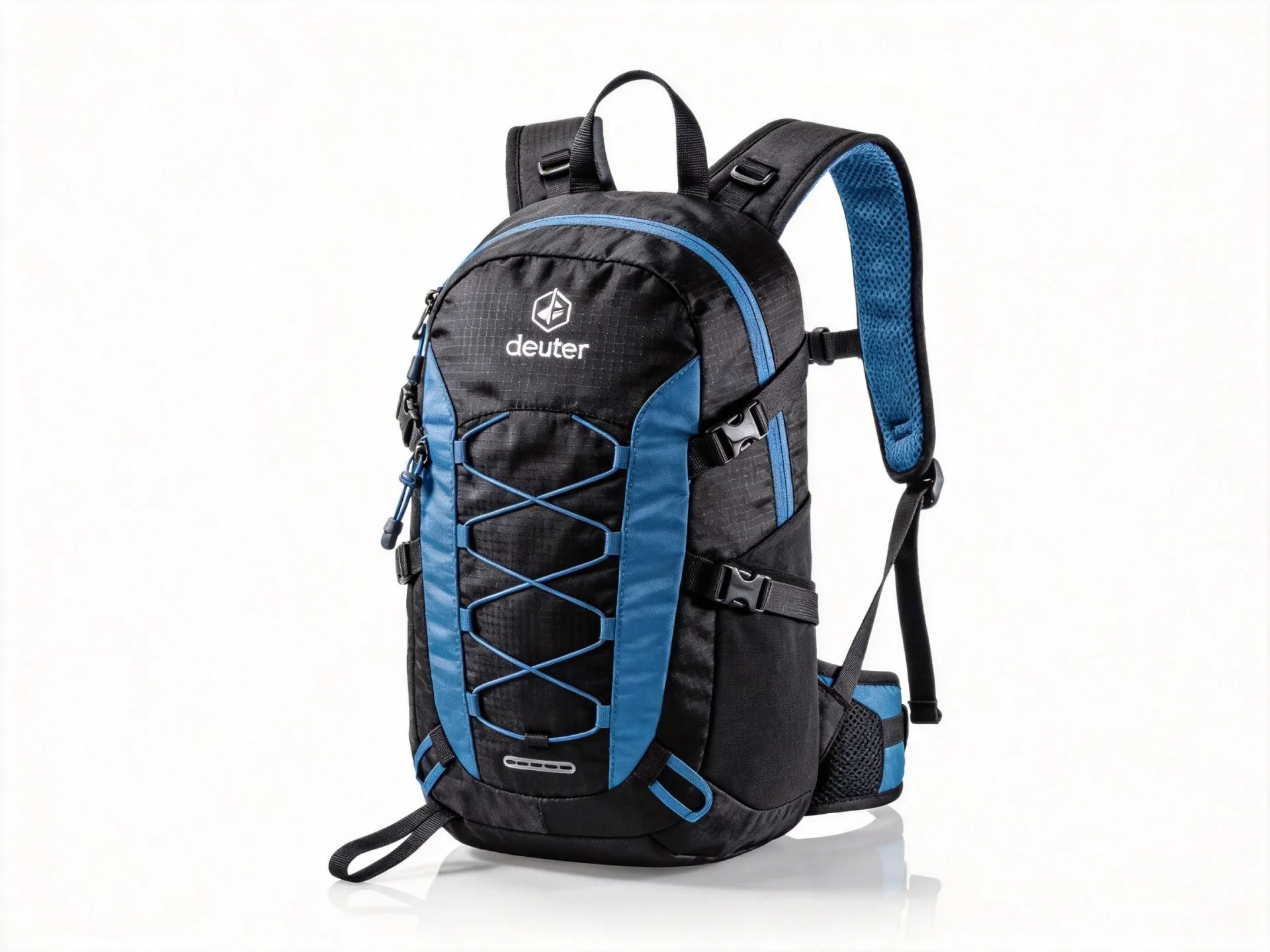
4. Materials: How the Two Compare, and What the “Premium” Grade Really Costs
Both brands lead marketing with durable, weather-resistant fabrics – but from the sewing floor these are discrete, priced lines. Here is a realistic material comparison for a technical hiking pack in this class (typical ballpark figures – final numbers depend on your spec and volume):
| Component | Typical Grade in This Class | Budget Alternative | Factory Cost Signal |
|---|---|---|---|
| Main shell fabric | High-denier coated and ripstop nylon (210D–420D+), often recycled | Polyester or low-denier nylon | Denier and coating step-ups add durability and cost – the single biggest material line. |
| Back panel & shoulder straps | Breathable, structured mesh with molded padding (Deuter Aircomfort-style; Gregory structured fit) | Generic flat foam | Venting and load-release engineering is a genuine premium – cheap packs use flat foam. |
| Frame & stays | Perimeter aluminum or composite frame with adjustable stays | None or soft wire | The frame is optional on a budget pack and central on a technical pack. |
| Hip belt & load transfer | Structured, load-transferring, torso-adjustable padded hip belt | Slim webbing hip strap or none | Real weight-to-hip transfer needs structure and sizing; most cheap packs skip it. |
| Zippers & hardware | Quality zippers, load-lifter and security buckles | Standard generic zips and buckles | Repeated-failure point; premium builds invest meaningfully more here. |
| Finishes & seam treatment | Taped or sealed critical seams, bar-tacked stress points | Basic single-needle seaming | Long-life durability under load comes from seam-sealing and bar-tack work. |
The takeaway is the one every review misses: every material a branded premium pack sources is the same line a private-label buyer sources through an OEM/ODM hiking backpack manufacturer. The grade is real – the “exclusivity” is mostly the back system, sizing and the label.
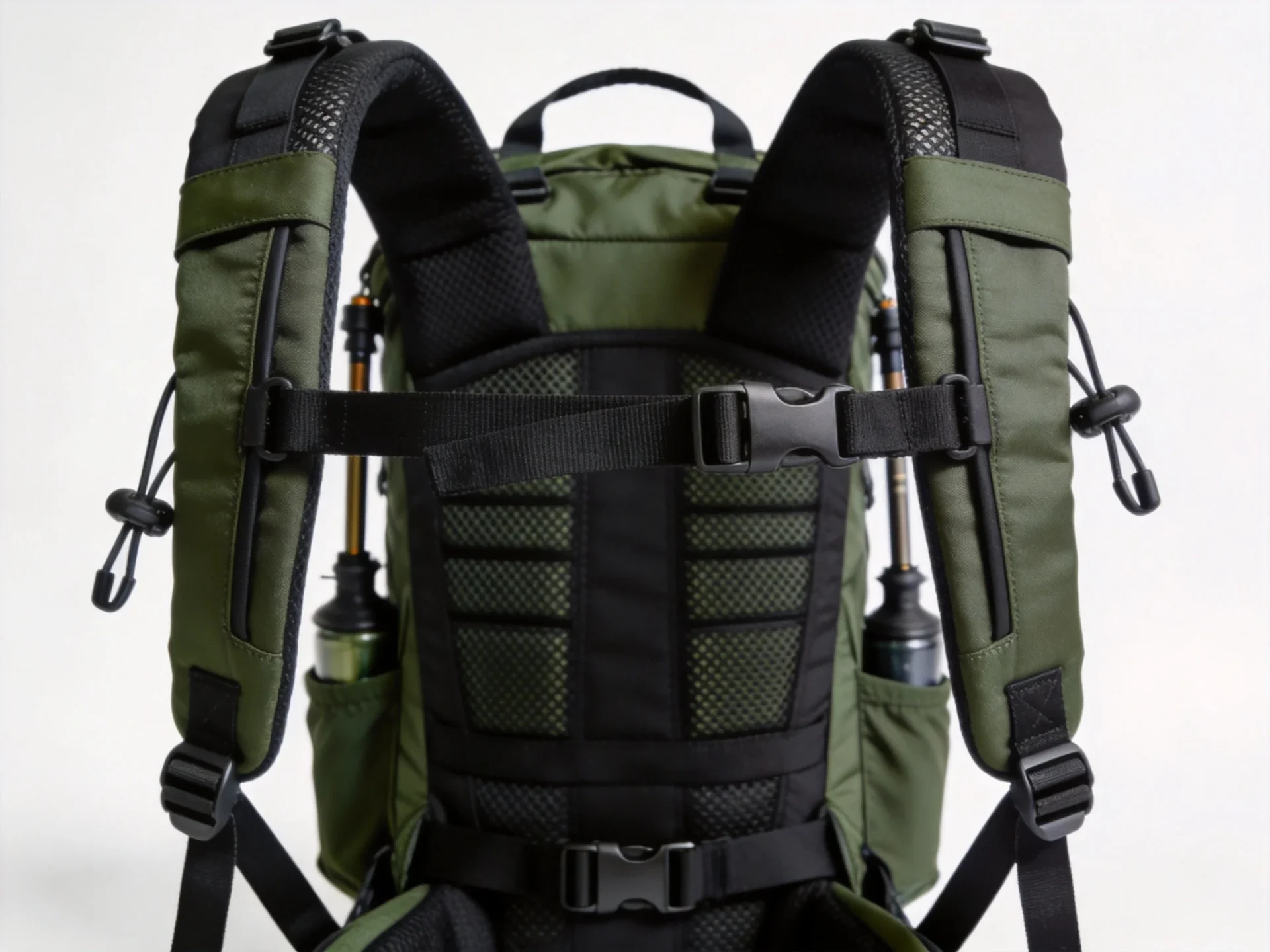
5. How a Deuter/Gregory-Class Hiking Pack Is Actually Built
A technical or expedition hiking pack travels through roughly 90–180 separate operations depending on capacity and features – far more than a flat commuter pack. In our affiliated factory that runs across 7 production lines with 149 machines (126 sewing) and 137 staff, a trained operator still handles every frame stay, hip-belt panel and critical seam by eye.
- Cutting & fusing — panels are cut from roll stock and heat-fused to lining; recycled-spec outer and breathable mesh back panels are added on premium builds.
- Seam preparation & finishing — critical seams are taped or sealed; premium tiers add fuller coverage and a high stitch-consistency standard.
- Sewing & assembly — body, pockets, back panel and shoulder straps are joined in sequence, with stress points bar-tacked.
- Suspension build & fit — frame stays, molded or ventilated back panel and structured, sized hip belt are assembled, mounted and fit-tested for load transfer.
- Hardware & strap mounting — zippers, load-lifter buckles, compression webbing and harness are fitted and reinforced.
- Final QC & packing — load and fit test, stitch and zipper check, seam-seal review and premium boxing.
The measurable difference between “premium” and “budget” shows up in operations per pack. A fitted suspension with sized hip-belt cups, a ventilated or structured back panel and bar-tacked stress points absorbs more assembly time, pushing labor toward roughly 24–28% of cost – a genuine line, not decoration.
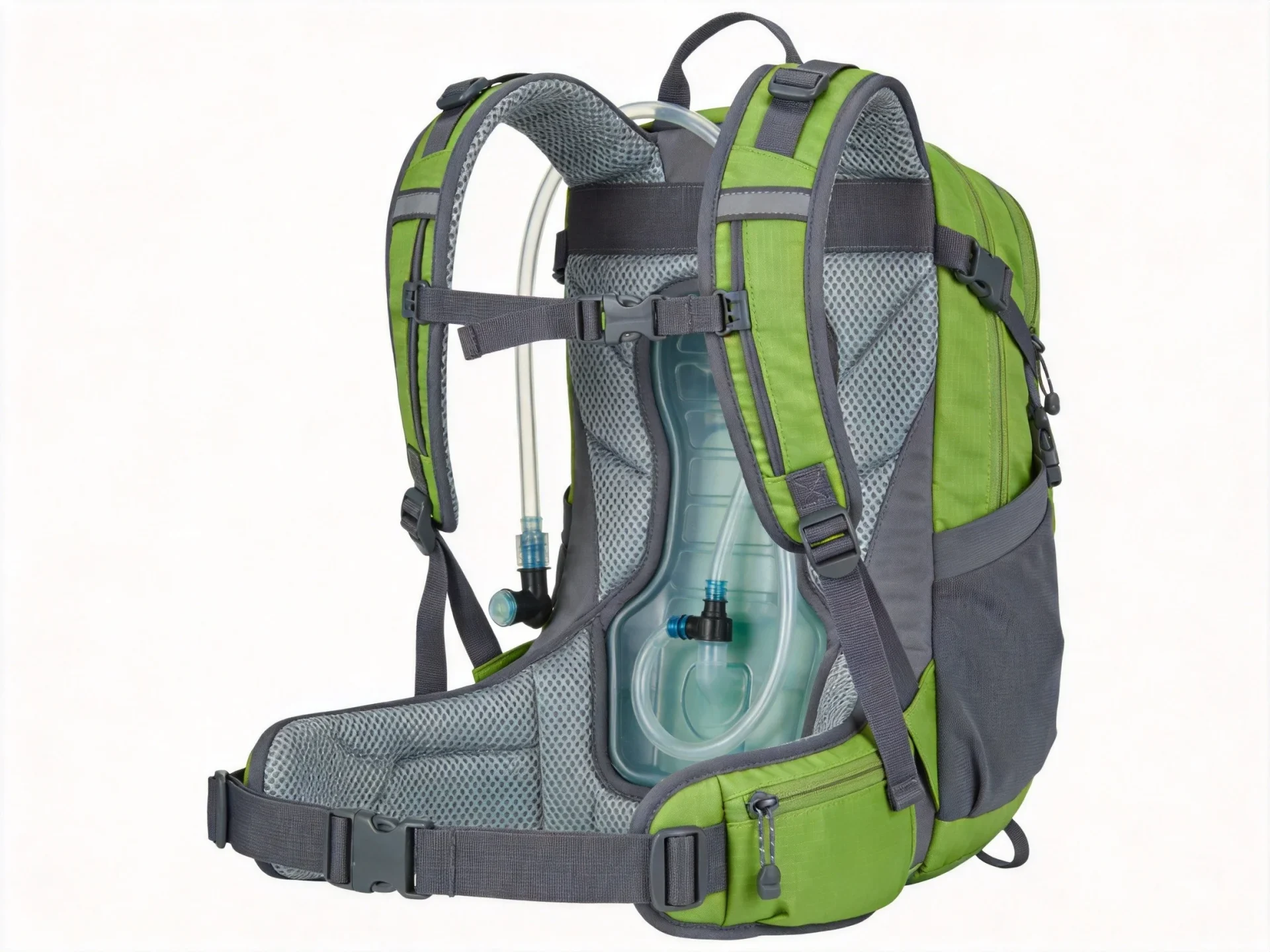
6. Which Is Worth It: Deuter, Gregory, or a Budget Alternative?
After a factory-level look, here is the straight call on whether – and which – is “worth it,” all else equal:
- Choose Deuter if you want proven ventilated comfort at competitive weight. The Aircomfort-style breathable back system genuinely reduces sweat on hot, long climbs, and many Deuter technical lines sit at a slightly softer retail point than Gregory for the same spec.
- Choose Gregory if you need the most adjustable torso fit and structured load transfer. Torso-specific sizing and a structured hip-belt system are unmatched if you carry heavy loads and non-standard torso lengths.
- Your body decides the winner – not the badge. Both are proven products with real engineering at near-identical build cost. Try the back length and hip belt that fit you, because in this class fit is the value.
- Skip the brand premium if you only need a durable hiking pack. The same material grade, frame, suspension structure and build method is manufactured for private labels worldwide – a second-tier brand or an OEM build gets you most of the benefit for a fraction of the cost.
For a factory-side read on the same suspension-and-fit trade-offs in this class, our how to choose a hiking backpack guide and what to expect from hiking backpack manufacturers walk through capacity, fit and build quality details.
Bottom line: Neither Deuter nor Gregory is overpriced for what it is – both are genuinely engineered hiking systems with real fit, suspension and warranty value. The winner is the one that fits your torso and hip best, and if you do not need the branded suspension, the same grade is buyable under your own brand. Buy the fit and suspension you actually need, not the name alone.
Build a Deuter/Gregory-Class Hiking Pack Under Your Brand
JUNYUAN BAGS is a backpack trading company backed by an affiliated factory in Quanzhou, Fujian – SGS-verified at 4,950 sqm, 7 production lines, 149 machines (126 sewing) and 137 staff, with a monthly line capacity of 200,000 pieces and a vetted partner-factory network. We have supplied 200+ brands across 100+ countries as of 2026. Let our team spec, sample and ship a made-to-order hiking or technical pack – back system, torso fit and hardware included – for your brand, shop or wholesale account.
Request a custom backpack OEM/ODM quote
See how custom packs are made end-to-end
FAQ: Deuter vs Gregory Hiking Packs
Is Deuter or Gregory better for hiking?
Both are proven technical brands and close in build cost. Deuter excels at a breathable, ventilated back system tuned for comfort at competitive weight; Gregory excels at torso-specific sizing and a structured, load-transferring hip belt. The better choice is the one whose back length and hip belt fit your body, especially for multi-day loads.
Why are Deuter and Gregory hiking packs so expensive?
Because both sell a technical carrying system, not just a rucksack. A large share of the price goes into torso-length sizing, a structured or ventilated suspension, a load-transferring hip belt and a warranty service model, plus premium durable and often recycled fabrics. On raw materials and assembly alone a class-comparable pack builds for roughly $55–$105 (typical), so the retail ticket carries a roughly 200%–280% (approx.) design, brand, distribution and service premium.
Which pack fits better – Deuter or Gregory?
Gregory is best known for torso-specific sizing with multiple back lengths and a structured hip belt, while Deuter focuses on a comfortable, ventilated fit at competitive weight with adjustable torso systems on many models. Fit is body-specific: try both, because in this class fit is the value.
Are Deuter and Gregory worth the price compared to cheaper packs?
For hikers and backpackers carrying real weight for long days, yes – the fit, back system and load transfer reduce strain you can actually feel. If you only need a durable hiking pack without a fitted suspension, you can match most of the material and build grade for far less from a good second-tier brand or an OEM/ODM build.
What makes a technical hiking pack more expensive than a normal day bag?
A technical or expedition hiking pack adds a structured suspension – a torso-length frame, a ventilated or molded back panel, adjustable sizing and a load-transferring hip belt – that a flat school or commuter pack simply lacks. Those components, extra assembly operations and their tooling are the difference between a $49 bag and a $220+ pack.
Is the higher-denier nylon and ripstop fabric worth it?
Generally yes, up to a point. High-denier coated and ripstop nylon (210D–420D and up) resists abrasion, tears and weather much better than cheap polyester or low-denier nylon. It is the single biggest material cost line and the best place to spend if you want a long-lived hiking pack.
What cheaper alternatives match a Deuter or Gregory?
Second-tier technical brands at roughly $100–$180, previous-season clearance, and OEM/ODM builds all deliver the same shell fabric, frame and suspension grade while trimming the design and brand margin. The spec you want is buyable under any label.
Can I get a Deuter/Gregory-class hiking pack built under my own brand?
Yes. Premium technical hiking packs are manufactured through global partners in the same specialized factories that build private-label packs worldwide. Our affiliated factory works within a vetted partner-factory network rather than a single captive shop, and can spec a made-to-order suspension pack with torso sizing for your brand.
Disclaimer: Retail and factory figures in this article are industry-typical approximations used to explain cost structure – not precise quotes or guaranteed prices. Actual pricing depends on your specification, volumes and prevailing conditions. Approx./typical labels apply to every figure above.
OEM perspective note: JUNYUAN BAGS operates as a backpack trading and sourcing organization backed by an affiliated factory and partner factories in Quanzhou, Fujian. We do not claim to manufacture for Deuter, Gregory or any other brand, nor do we represent any brand’s proprietary design. Figures describe the open, buyable spec that any brand can source.