
Are Herschel Backpacks Worth It? A Factory-Backed Look
A straight-from-the-factory read on whether the trendy Heritage and Little America packs justify their $40-$150 price tags – what the canvas-look details really cost, where the brand premium sits, and cheaper alternatives that match the look.
Herschel backpacks are a style-first buy, not a material-first one, and that is the honest way to answer “is it worth it.” A typical Herschel pack – 600D polyester shell, faux-leather (PU) accent straps, heritage-style branding – builds for roughly $8-16 (approx.) in materials and labour at factory level, similar to any mainstream daily backpack, yet retails at $40-150 (approx.). The genuine premium Herschel charges is for the design language, the branded Heritage hardware and the lifestyle positioning, not for premium fabric or an advanced carrying system. Put simply: you are paying mostly for the look and the brand – which is worth it if the look is what you want, and a poor trade if you need technical carry or durable expedition-grade materials. The value verdict splits cleanly by what you actually expect the pack to do.
TL;DR / Quick Answer
- Are Herschel backpacks good quality? Yes, decent mainstream quality: 600D polyester, clean stitching and reliable zips – a solid everyday pack, but built to a conventional daily-carry spec, not a premium technical one.
- Are they worth the price? At full retail, you are paying a noticeable brand-and-design premium over the factory cost. Worth it when you love the heritage look and buy it on sale; overpriced relative to spec when bought at full price purely for daily basics.
- What are they actually made of? Mostly 600D polyester with PU (faux) leather accents on the Little America line, a lining and light foam padding. No high-denier coated technical shell, and no framed suspension.
- Better-value routes: the same heritage-canvas look and 600D build are available from OEM/ODM private-label suppliers at a fraction of the retail tag, plus last-season and outlet Herschel packs.
1. What a Herschel Factory Build Actually Costs
From a bag factory’s costing sheet, a Herschel-class everyday pack is a simple, high-volume construction – a front pocket, a main compartment, a laptop sleeve, one or two straps and branded hardware. That simplicity is why the brand can offer a consistent look at an accessible price point. Here is a realistic bill-of-materials breakdown for a typical full-size Herschel-style pack (typical, not a specific SKU):
| Component (typical) | Material Cost per Pack (approx.) | Factory Note |
|---|---|---|
| 600D polyester shell (main fabric) | $3-5 | Mainstream mid-tier fabric; cheap, decent strength, not coated technical nylon |
| Lining & foam padding | $2-3 | Light back padding and soft linings; none of the molded-frame found in technical packs |
| PU (faux) leather accents & straps | $1.5-3 | Signature look; faux leather costs far less than real leather and is the brand’s styling marker |
| Zips, hardware, webbing & buckles | $1.5-2.5 | Standard-grade zips; enough for daily use, not waterproof/technical hardware |
| Trims, labels, thread, packaging | $1-2 | Branded patches and heritage-style labels are a big part of the identity |
| Assembly labour | $2-4 | Roughly 15-25 sewing operations; a simple construction line runs these fast |
Add those up and a mainstream Herschel-style pack lands around $8-16 (approx.) at factory level before brand margin, distribution, retail markup and import. On a $90-130 retail pack, that means the build cost is only a modest share of the shelf price – which is exactly the situation the “style-first” label describes. It is not a criticism of quality; it is simply where the money in the price goes.
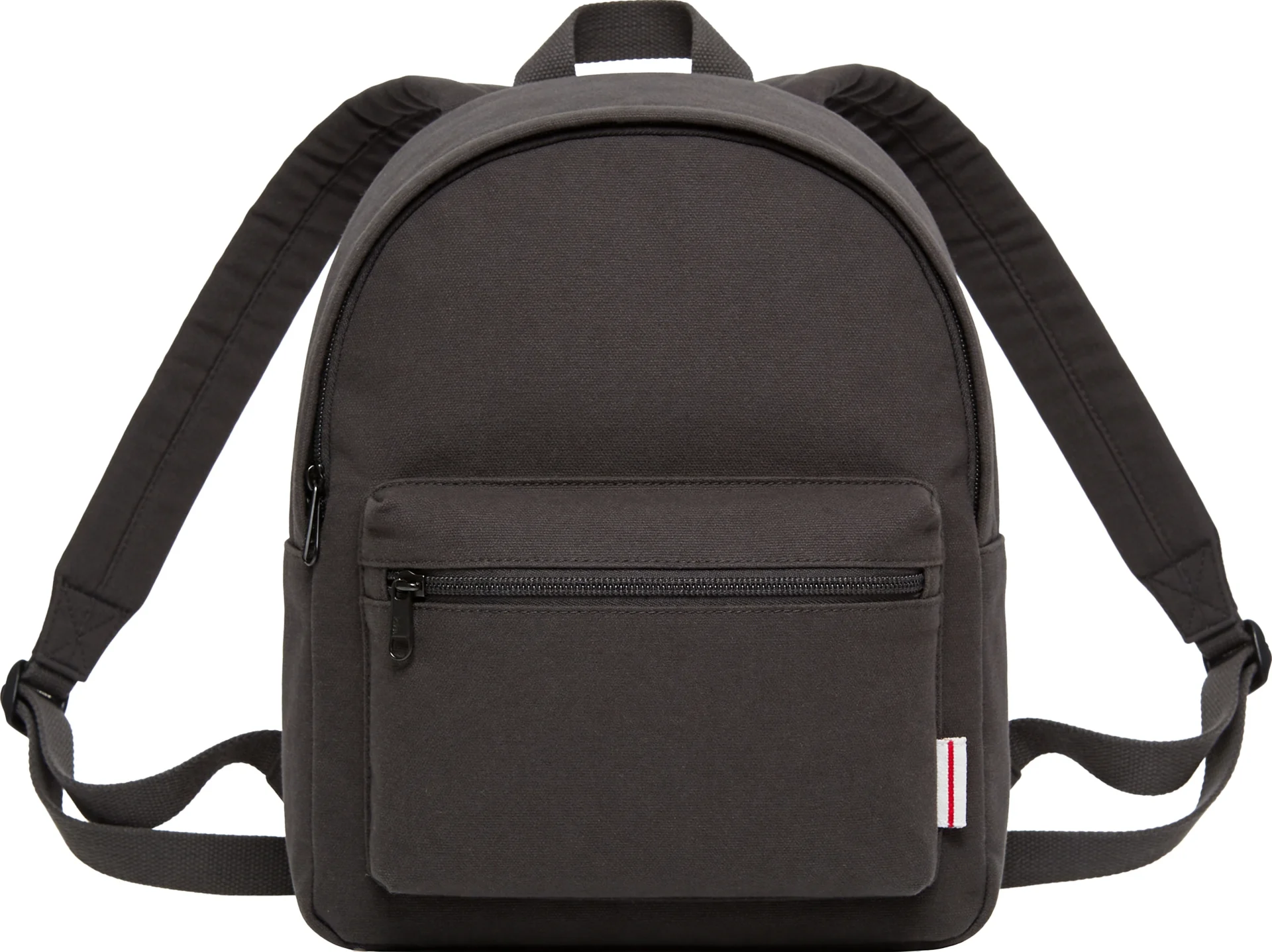
2. The Material Truth: 600D Polyester and Faux Leather
Herschel built its identity on a “heritage” canvas-look aesthetic, and it is worth being precise about what that means in fabric terms. The classic Herschel look uses woven polyester with a matte, canvas-like hand feel, not true waxed canvas and not coated technical nylon. The distinction matters for value:
- The shell is mid-tier polyester, not technical fabric. Mainstream daily packs use 600D polyester; premium technical brands move up to 400D-630D coated recycled nylon with DWR or PU coatings that shrug off rain and scuffs. Herschel-class builds sit at the lower end of that spectrum.
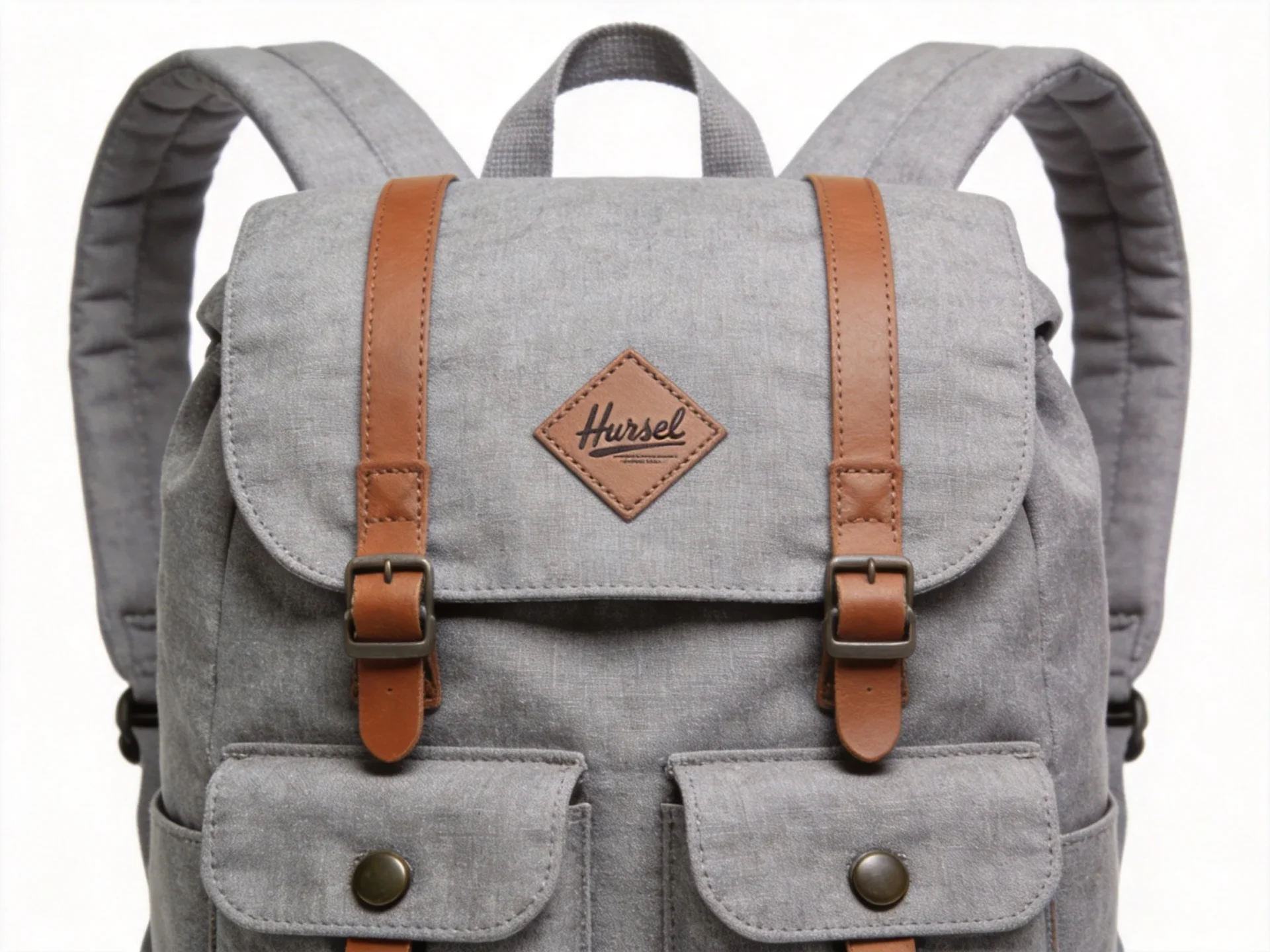
- Faux leather is a styling choice, not a premium material. The little leather-look straps and patches are PU (polyurethane synthetic). They deliver the look at a fraction of real leather, and they age differently – fine for style, not a durability boast.
- There is no framed suspension or load-transferring system. Herschel packs use simple foam back padding. That is ideal for a laptop and light daily carry and unsuited to a 10kg+ hiking load.
None of this is hidden or a defect – it is a deliberate product decision to keep prices approachable while owning a distinctive look. But if you are comparing on a cost-per-gram-of-fabric or on engineered durability, Herschel is a design brand, and you should read the spec sheet accordingly.
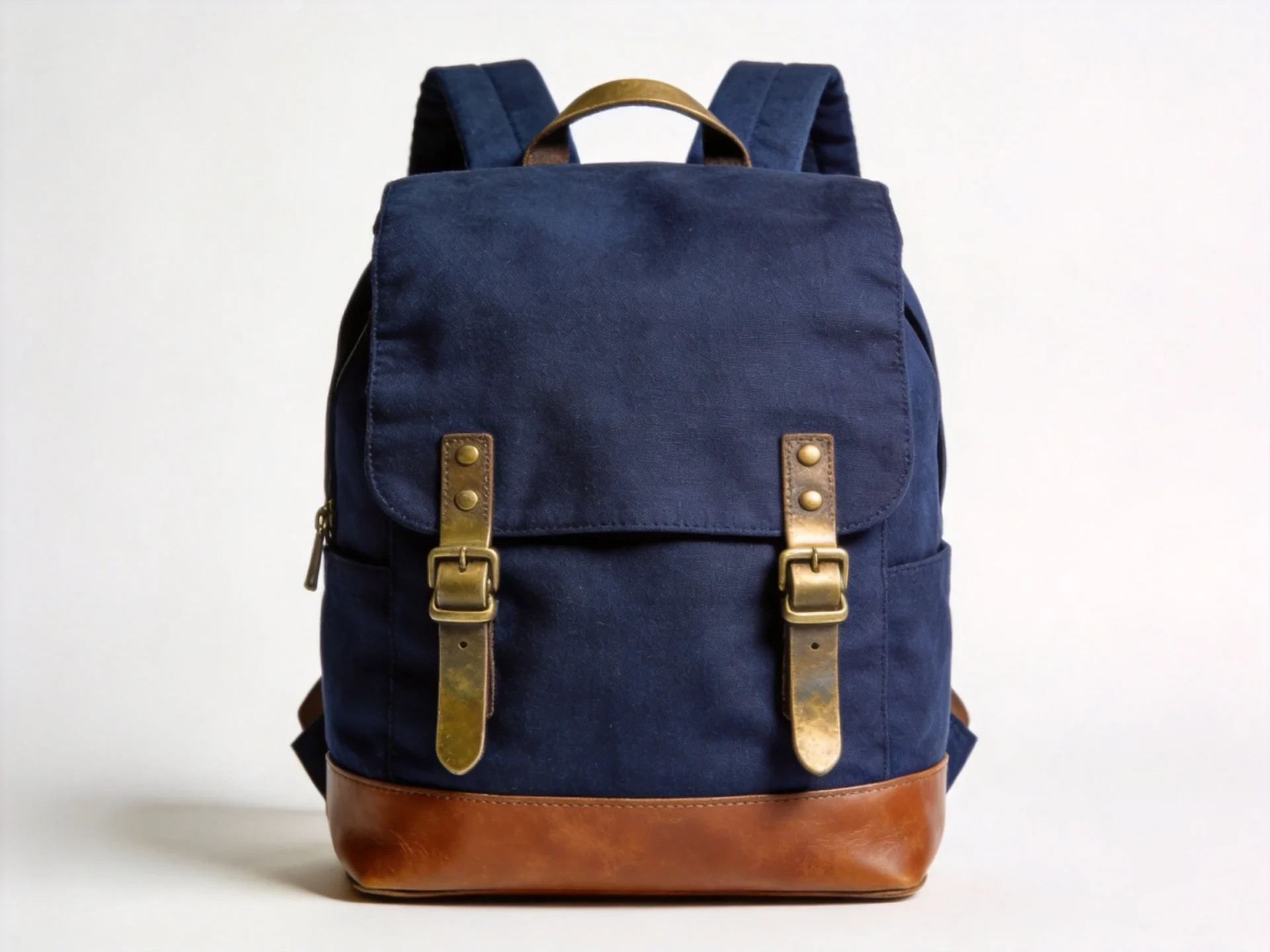
3. The Brand and Retail Premium: Where the Rest of the Price Goes
Once you subtract the ~$8-16 (approx.) build, the remaining price is a mix of brand, import, distribution and retail margin – the same layers every consumer brand adds. In Herschel’s case a few things stand out:
- Design and brand equity: the heritage identity, the signature hardware and the huge social footprint carry real commercial value, and it is priced into every unit.
- Wholesale-to-retail spread: the brand sells to retailers who layer their own margin on top, typically the largest single multiplier on the way to the shelf price.
- Import and logistics: Herschel produces through a partner-factory network in Asia and distributes globally, so shipping, duties and warehousing are normal costs in every pack.
Net: the retail price is built from a modest material cost plus a large brand/design/distribution stack. That is a normal, defensible structure for a lifestyle brand – but it is the opposite of the “you get what you pay for in raw materials” promise. You get the look, the identity and reliable daily quality, and you pay mostly for the name and the design.
4. Herschel vs the Price of the Spec
To put the value question in perspective, it helps to compare Herschel-class styling against both a technical pack and a private-label equivalent. Here is how the same $90-130 budget splits by what you are actually buying:
| Option (typical) | Retail (approx.) | What You Get |
|---|---|---|
| Herschel Heritage / Little America look | $90-130 | 600D polyester, faux-leather accents, clean daily spec, strong brand and design identity |
| Mid-tier technical backpack (branded) | $90-160 | Higher-denier coated recycled nylon, framed suspension, better hardware and weather resistance |
| OEM/ODM private-label heritage pack | factory cost + small margin | Same 600D/heritage-canvas spec and construction under your own brand, minus the retail brand stack |
| Outlet or last-season Herschel | $50-80 | The genuine Herschel look at a lower point because brand margin is trimmed |
Notice that the “cheaper alternative” to a Herschel is not automatically a worse bag – an OEM/ODM pack with the identical 600D fabric and heritage styling carries the same materials and construction because it comes out of the same partner-factory soft-goods network. The difference is the label and the brand investment, not the build.
5. Is Herschel Worth the Money? The Factory Verdict by Use Case
Worth the money when:
- You love the heritage look and buy it on sale or via outlet – you get the design identity for a trimmed price.
- You need a reliable, light everyday or campus pack for a laptop, a book and daily essentials – the 600D construction handles that easily for years.
- You value the brand as part of the product (for gifting, matching a set, or personal style) – that is legitimate value you are paying for.
Not worth the money when:
- You carry real weight (10kg+ commuting or hiking) and need a framed suspension and coated technical shell – Herschel is not built for that.
- You need genuine weatherproofing or high-denier durability – the mid-tier polyester is not that material.
- You buy at full retail mainly for the logo and would be equally happy with the same heritage spec under a cheaper or private-label brand.
6. The Factory View: Can You Reproduce the Herschel Look?
Yes – and honestly, this is one of the easiest looks to reproduce, because it is defined by accessible materials and signature styling rather than secret technology. The heritage-canvas look is a 600D woven polyester shell, faux-leather trim, a front pocket with the hideaway-strap style detail and strong branding. All of that is standard, buyable at factory level under any label.
Herschel, like most global soft-goods brands, designs in-house and produces through a partner-factory network in Asia, the same specialized manufacturing network that builds private-label goods worldwide. Our affiliated factory works within a vetted partner-factory network – not a single captive shop – covering backpacks, travel bags and other carrying goods, and can reproduce the heritage aesthetic on a made-to-order basis.
7. How to Buy the Heritage Look at a Fair Price
If you want a Herschel, the smartest buying rule is simple: get it on sale. The brand premium is the biggest share of the price, so a 30-50% discount on outlet or last-season stock is the way to actually capture value from the design. If you are a brand or a business sourcing the look yourself, the calculation is even clearer – the 600D heritage spec is buyable at factory cost.
Start with an OEM/ODM backpack manufacturer to spec the heritage-canvas look, use the backpack material selection guide to pin the exact 600D and lining, and follow the custom backpack manufacturing guide to move from sample to production. If you need to add real weight-carrying capability later, the travel backpack feature-integration guide shows how to upgrade the suspension and shell without losing the clean look.
8. Frequently Asked Questions
Are Herschel backpacks good quality?
Yes, for a mainstream everyday pack. They use 600D polyester with clean stitching and standard zips, which is reliable for a laptop and light daily carry. They are not built to a premium technical or expedition-grade spec – no framed suspension and no high-denier coated shell.
Are Herschel backpacks worth the price?
At full retail you pay a noticeable brand-and-design premium over a modest ~$8-16 (approx.) factory build cost. They are worth it when you love the heritage look and buy on sale; overpriced relative to the materials when bought at full price mainly for the logo.
What are Herschel backpacks made of?
Mostly 600D polyester for the main body, with PU (faux) leather accent straps and trims, a lined interior and light foam padding. They use intentionally accessible fabrics to keep the price approachable rather than technical coated nylon or real leather.
Are Herschel bags made in China?
Herschel produces through a partner-factory network in Asia, and its bags are manufactured through the same global soft-goods network that builds mainstream and private-label backpacks. Product origins vary by model, but it is a conventional outsourced production model.
Is the Herschel Little America worth it?
If you want that specific heritage look with the hideaway magnetic straps and faux-leather accents, it is a reasonable buy on sale. At full price you are paying primarily for the design identity, because the underlying 600D construction is at the mainstream end of the spec.
Which is better, Herschel or a cheaper brand?
Objectively, a comparable 600D heritage-style pack from a lower-cost or private-label brand uses the same materials and similar construction, so the main differences are branding and design. Choose Herschel for the identity when you value it; choose a private-label equivalent for the same look for less.
Do Herschel backpacks last?
For light-to-moderate daily use, a 600D Herschel with clean stitching holds up for years. They are not engineered for heavy loads, abrasive environments or serious rain, so durability depends on matching the bag to the job.
Can I get a Herschel-style backpack under my own brand?
Yes. The heritage-canvas look is made of standard, buyable materials and is produced through the same partner-factory network as mainstream backpacks. Our affiliated factory can spec a made-to-order 600D heritage pack with faux-leather details for your brand at factory cost.
9. Final Word
Herschel sells a look and an identity, and it does that well at an approachable price point relative to other fashion-lifestyle bags. The honest reading is that you are paying mostly for the design and brand, on top of a competent-but-mainstream 600D build. That is worth it if the look is the point and you buy on sale; it is a poor trade if you need technical carry or hard-wearing materials. And because the heritage spec is entirely standard, OEM/ODM offers the same look for less.
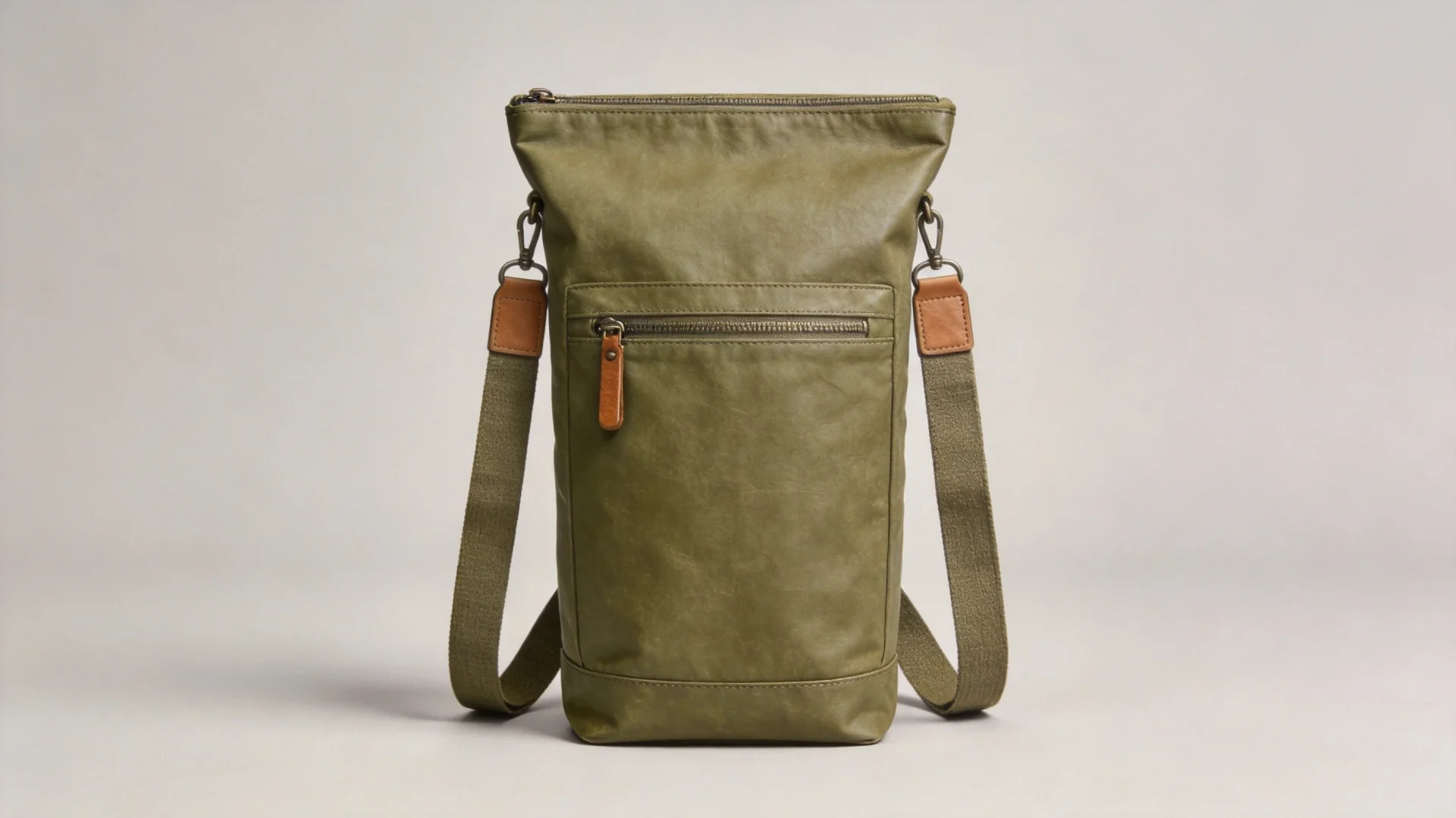
Want the Herschel Look Under Your Own Brand?
We are the affiliated factory behind heritage-style and everyday private-label backpacks – 4,950 sqm, 7 production lines, 149 machines (126 sewing) and 137 staff, with monthly line capacity of 200,000 pieces, serving 200+ brands across 100+ countries, as of 2026. Spec a 600D heritage pack with faux-leather details at factory cost.