TL;DR: Looking for backpacks like Cotopaxi? This guide compares 10 eco-conscious backpack brands that rival Cotopaxi in sustainability, durability, and style — from Patagonia and REI Co-op to tentree and Girlfriend Collective. Whether you need a hiking pack, daily commuter, or travel companion, we break down materials, price ranges, and who each brand serves best. Plus, learn how JUNYUAN BAGS can custom-manufacture sustainable backpacks for your brand with BSCI/ISO-certified facilities.
Why Look Beyond Cotopaxi?
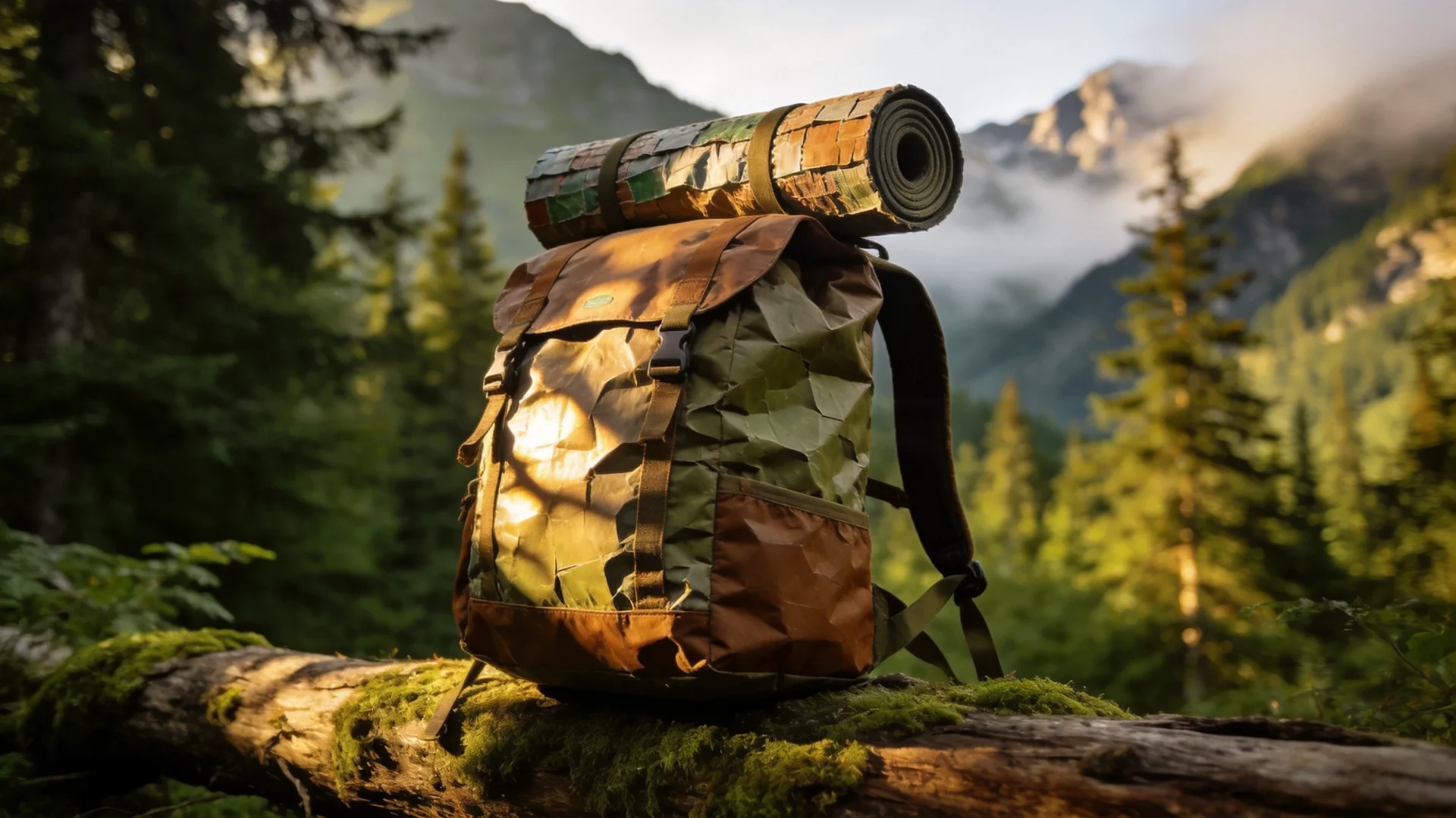
Cotopaxi has built a loyal following with its colorful, mission-driven backpacks made from repurposed materials. The brand’s Del Día collection — featuring one-of-a-kind color combinations from fabric remnants — resonates with environmentally aware consumers who want gear with a story.
But Cotopaxi isn’t perfect for everyone. Limited capacity options, a narrow product range focused mainly on daypacks, and price points that can stretch budgets leave many outdoor enthusiasts searching for cotopaxi alternatives. Whether you need more rugged construction for thru-hiking, better organization for daily commuting, or simply want to compare sustainable options, the brands below offer compelling options.
We evaluated each alternative across four criteria: sustainability practices, product range, durability, and value for money. Every brand here demonstrates genuine environmental commitment — not greenwashing.
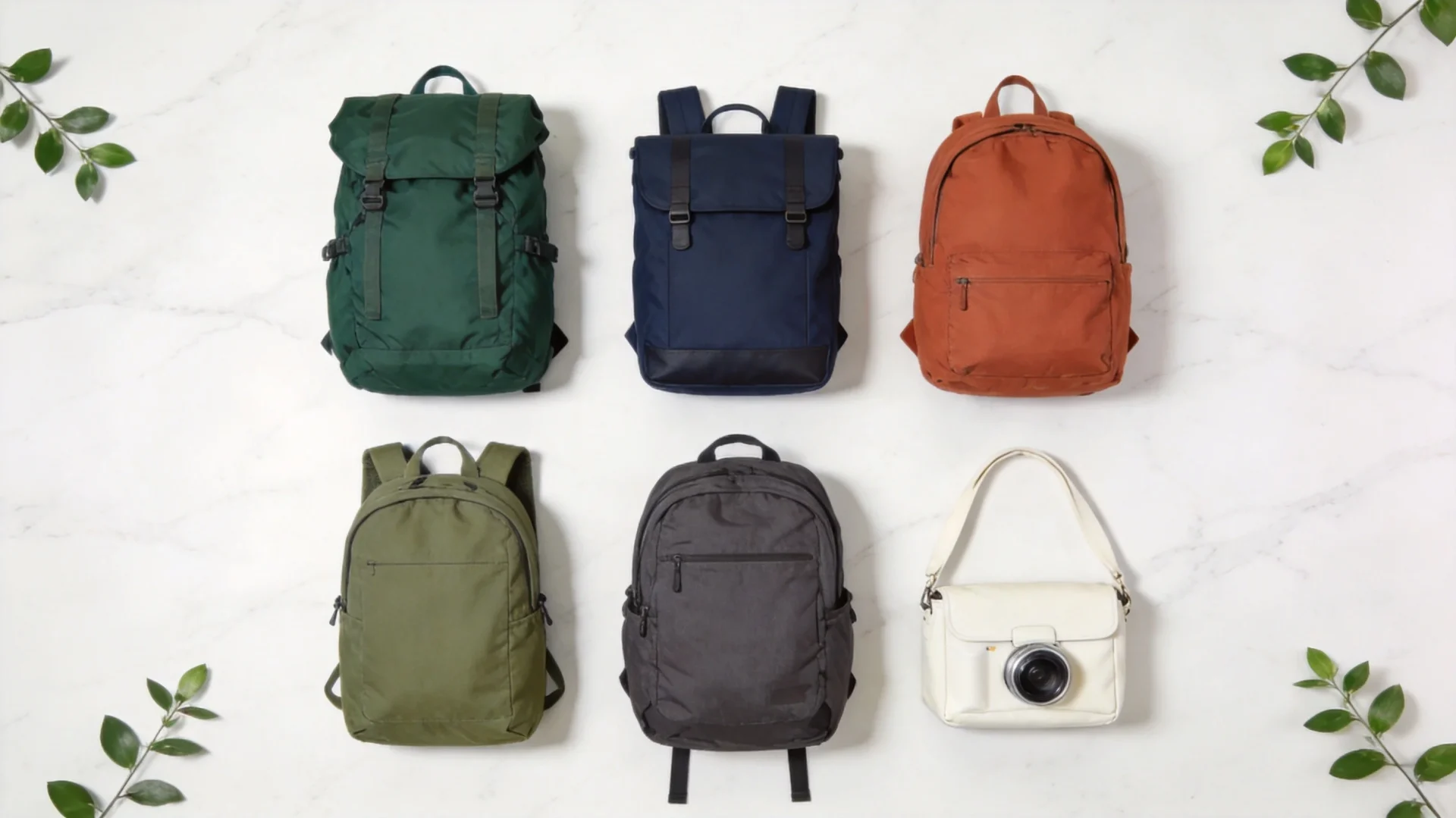
Quick Comparison: 10 Best Cotopaxi Alternatives (2026)
| Brand | Best For | Key Material | Price Range | Eco-Certification |
|---|---|---|---|---|
| Patagonia | Premium outdoor gear | Recycled nylon, hemp | $89–$299 | Fair Trade, B Corp |
| REI Co-op | Value outdoor packs | Recycled polyester | $59–$249 | Bluesign, B Corp |
| Fjällräven | Heritage durability | G-1000 Eco (recycled polyester + organic cotton) | $80–$280 | Swedish Fur Council, Climate Neutral |
| PrAna | Yoga & active lifestyle | Organic cotton, recycled wool | $69–$149 | Fair Trade, GOTS |
| tentree | Everyday casual carry | Recycled materials, cork, TENCEL | $58–$118 | 10 trees planted per item |
| United By Blue | Ocean conservation carry | Recycled ocean plastic, waxed canvas | $68–$148 | 1 lb ocean trash removed per product |
| Girlfriend Collective | Women’s eco activewear packs | Recycled water bottles (RPET) | $48–$88 | SA8000 certified, recycled |
| Nomatic | Tech-heavy travel | Bombshell leather, 1680D nylon | $100–$300 | Lifetime warranty, ethical factories |
| Osprey (Talon/Tempest) | Performance hiking | Bluesign recycled nylon | $130–$280 | Bluesign, Lifetime Al Mighty Guarantee |
| Patagonia Black Hole | Lightweight packable (Cotopaxi Luzon alt.) | 100% recycled ripstop nylon | $69–$149 | Fair Trade, B Corp |
1. Patagonia — The Gold Standard in Sustainable Outdoor Gear
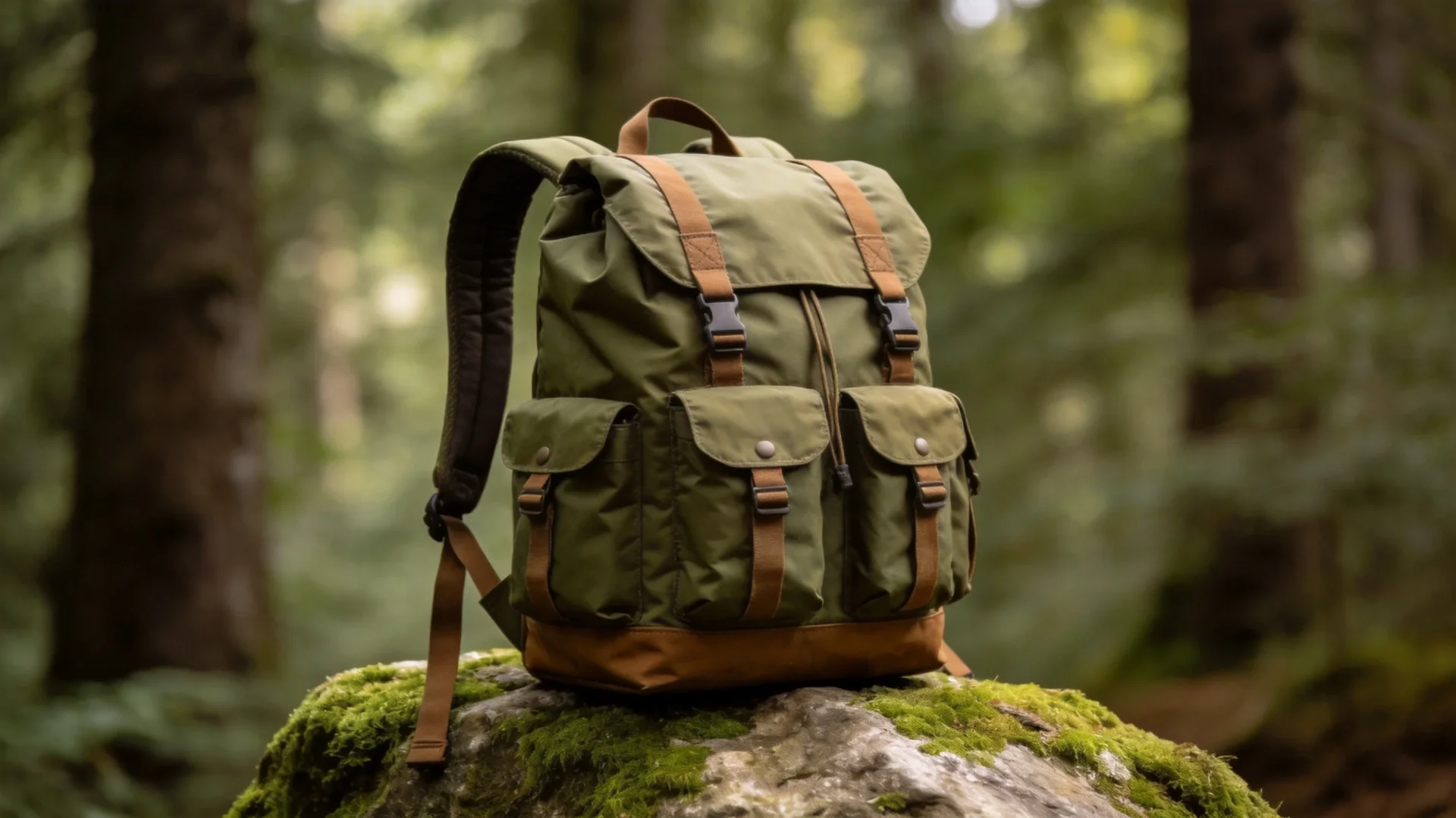
Patagonia needs little introduction. For over 50 years, the Ventura-based company has set the benchmark for environmental responsibility in the outdoor industry. Their backpack lineup ranges from the 20L Refugio Daily to the 55L Black Hole duffel, all constructed from 100% recycled nylon or polyester.
Materials: Recycled nylon ripstop, recycled polyester, hemp blends. All fabrics are bluesign® approved, meaning the entire supply chain meets strict environmental and safety standards.
Features: Patagonia packs excel in organization — dedicated laptop sleeves, multiple compression straps, and their signature WebShortcut harness system for ventilation. The Iron Forge Pant material on select packs adds abrasion resistance without synthetic coatings.
Who It’s For: Serious outdoor enthusiasts and environmentally conscious consumers who want maximum transparency. If Patagonia’s Worn Wear program (repair, reuse, recycle) aligns with your values, these backpacks are built to last decades.
vs. Cotopaxi: Patagonia offers significantly more product variety and technical features. Cotopaxi wins on unique aesthetics and a lighter price point for basic daypacks. For thru-hiking or heavy-duty use, Patagonia is the clear choice.
2. REI Co-op — High Performance Without the Premium Markup
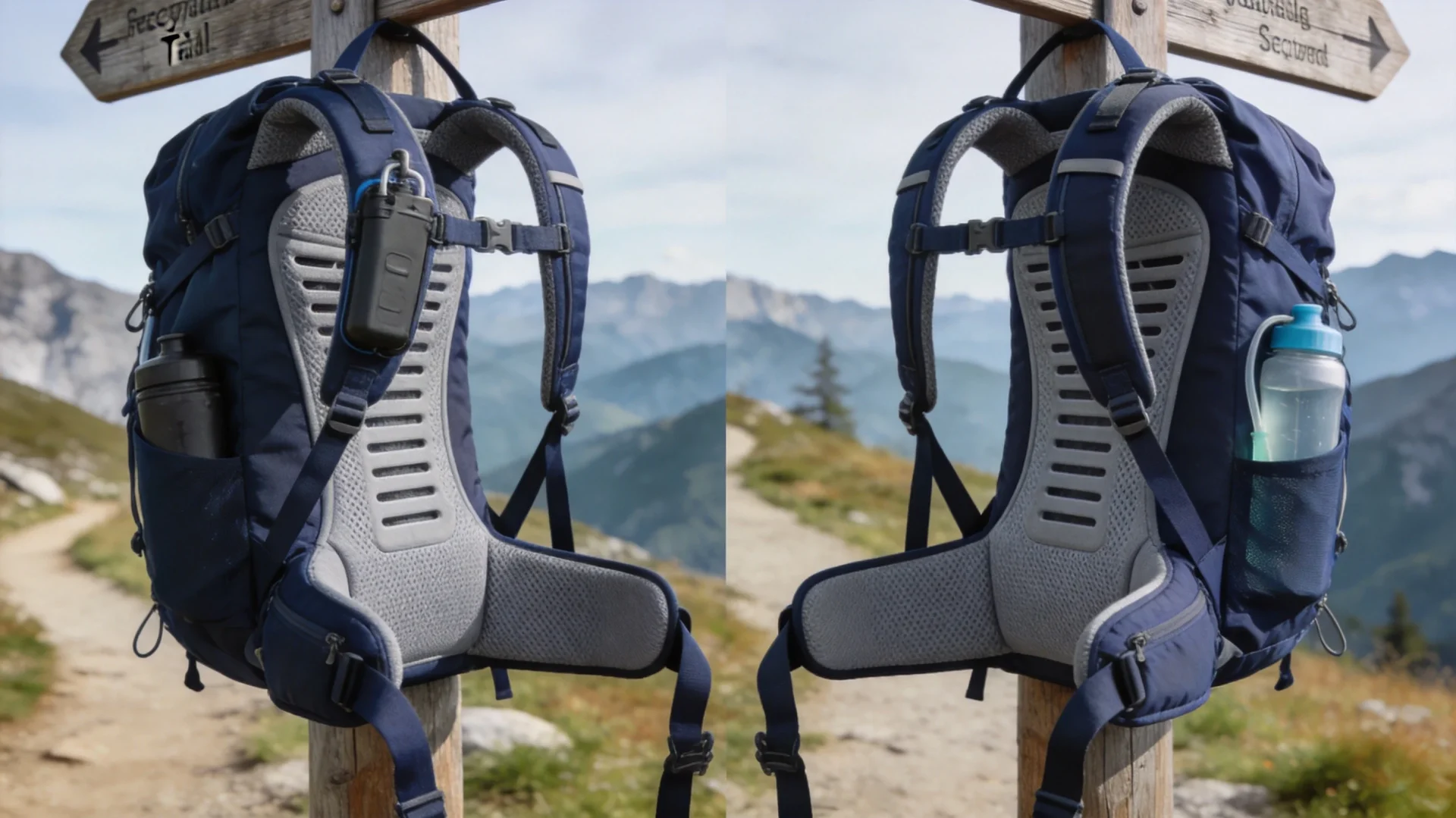
REI’s house brand delivers remarkable value. The Co-op Trail 40 and Flash 55 packs compete directly with offerings three times their price. As a cooperative, REI channels member investments back into sustainable product development.
Materials: Recycled polyester and nylon, with PFC-free DWR (durable water repellent) finishes across the lineup. Select models use solution-dyed yarns that reduce water consumption by up to 80% compared to conventional dyeing.
Features: REI packs emphasize comfort and adjustability. Their AirSpeed back panel system provides excellent ventilation, and the Trail series includes integrated rain covers, tool attachments, and hip belt pockets as standard.
Who It’s For: Budget-conscious hikers and campers who refuse to compromise on quality. The REI member dividend (10% back) makes these already-competitive prices even more attractive.
vs. Cotopaxi: REI Co-op offers 3–5× more capacity options and significantly better load-bearing ergonomics for multi-day trips. Cotopaxi’s style-forward designs appeal more to urban users.
3. Fjällräven — Swedish Heritage Meets Sustainable Innovation
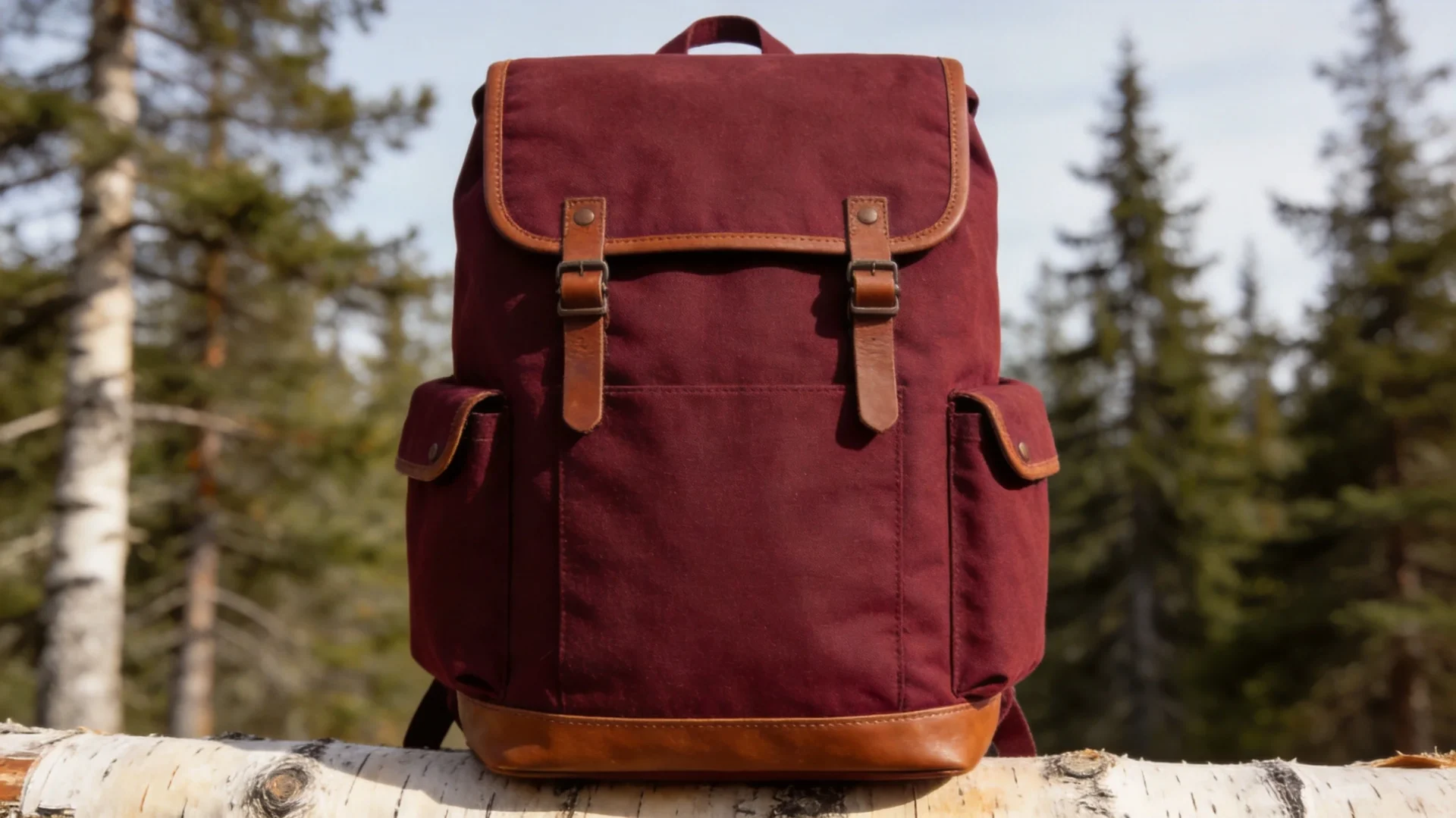
Fjällräven’s iconic Kånken backpack has become a global phenomenon, but the Swedish brand’s sustainability story runs deeper than any single product. Their proprietary G-1000 Eco fabric — a blend of recycled polyester and organic cotton — appears across their entire backpack range.
Materials: G-1000 Eco (65% recycled polyester, 35% organic cotton), Bergshell (40% recycled nylon, waterproof), recycled polyamide. All products are PFC-free since 2023.
Features: Fjällräven prioritizes timeless design over trendy aesthetics. Their packs feature leather reinforcements at stress points, removable seat cushions, and the ability to re-wax G-1000 fabric for extended water resistance. The Singi series offers modularity with attachable pockets and accessories.
Who It’s For: Style-conscious consumers who want a backpack that transitions seamlessly from trail to office. Fjällräven’s classic Scandinavian design has aged exceptionally well since the 1960s.
vs. Cotopaxi: Fjällräven offers far superior durability and weather resistance. Cotopaxi’s colorful Del Día prints are more visually unique, but Fjällräven’s heritage aesthetic has broader long-term appeal.
4. PrAna — Yoga-Inspured Sustainability for Active Lifestyles
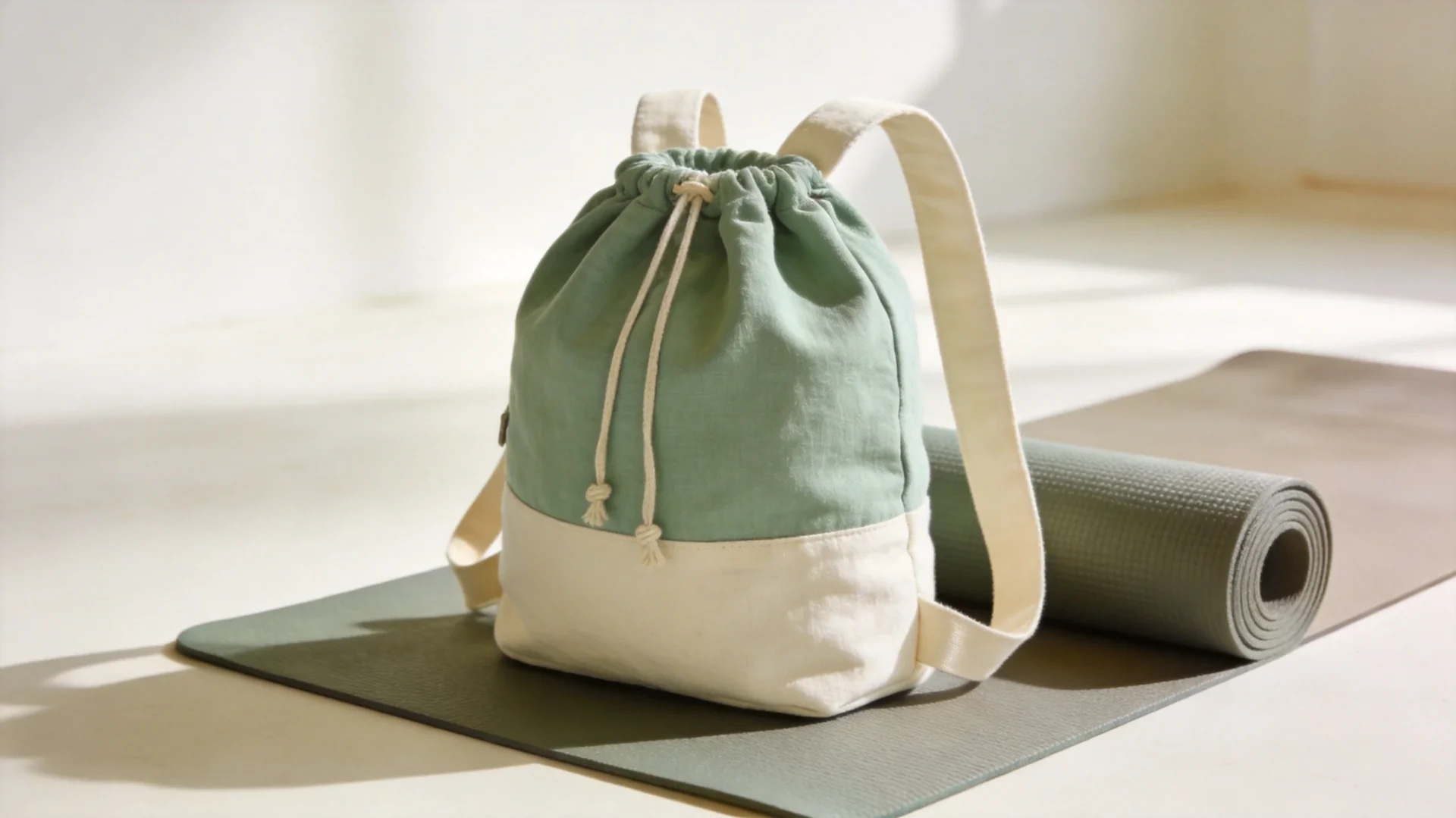
PrAna started as a yoga clothing brand and expanded into accessories with the same commitment to sustainable materials. Their backpacks — including the Brion Pack and Zenith — are designed for practitioners who carry yoga mats, blocks, and change of clothes alongside daily essentials.
Materials: Organic cotton canvas, recycled wool blends, RecycledClaim Standard (RCS) certified polyester. All metal hardware is nickel-free and sourced from responsible suppliers.
Features: PrAna packs feature dedicated yoga mat straps, breathable back panels, and laptop compartments sized for tablets and 13-inch laptops. The interiors use recycled lining with multiple organization pockets.
Who It’s For: Yoga practitioners, meditation enthusiasts, and anyone seeking a backpack that reflects a mindful, active lifestyle without looking like typical outdoor gear.
vs. Cotopaxi: PrAna fills a niche Cotopaxi doesn’t address — the wellness/fitness carry market. Cotopaxi offers better options for hiking-specific use.
5. tentree — Plant Trees With Every Purchase
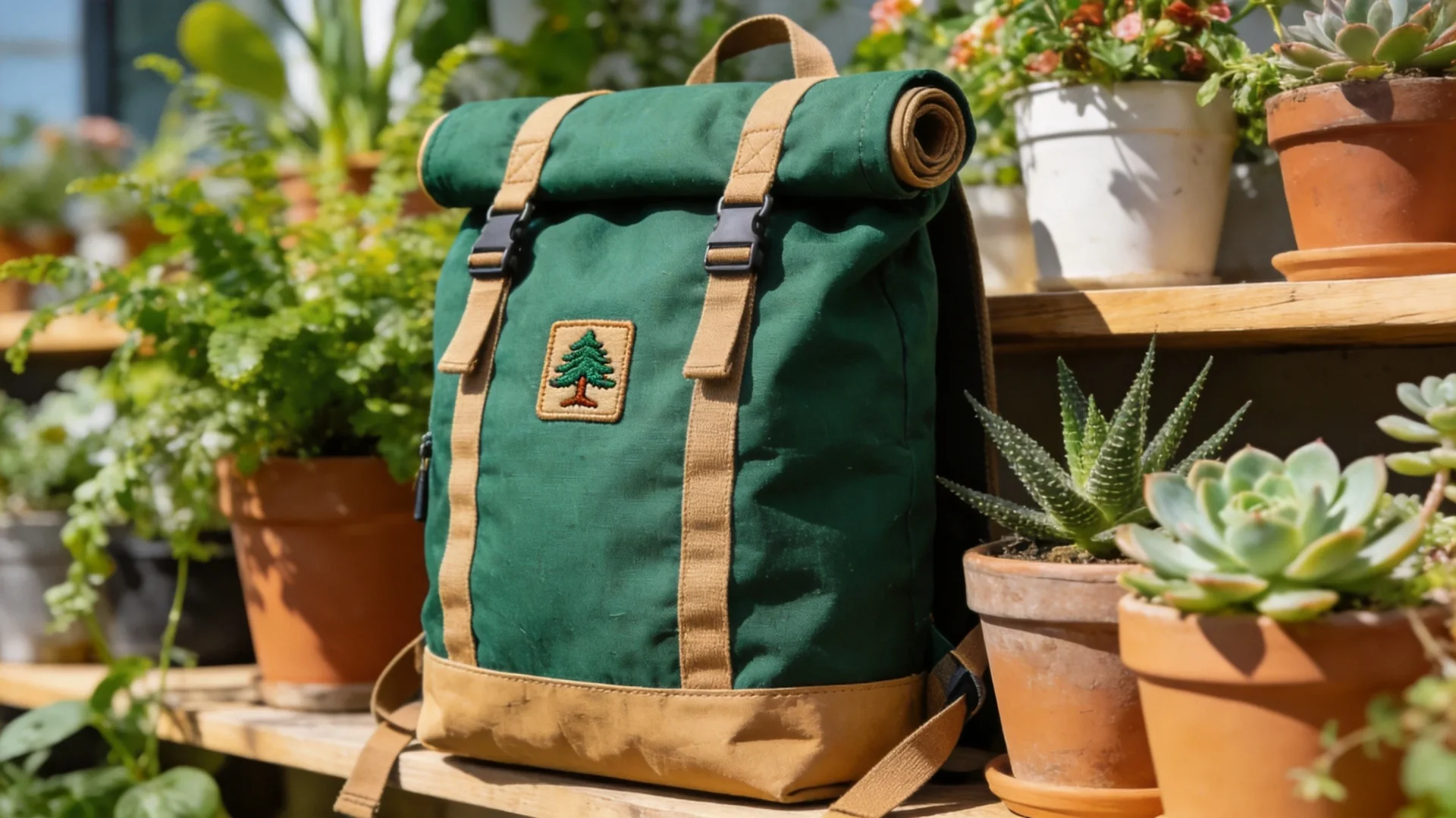
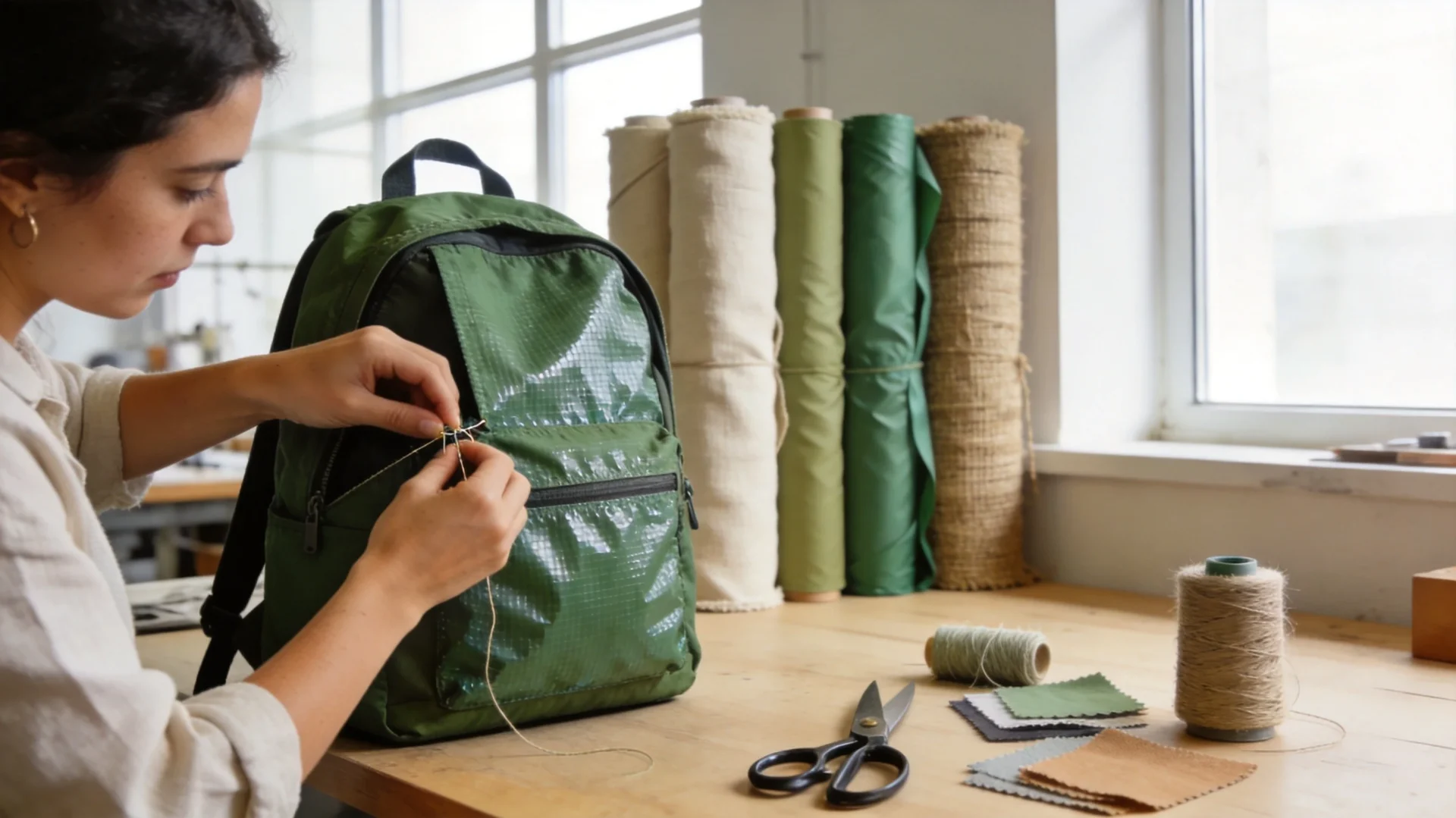
tentree’s business model is refreshingly simple: for every item sold, the company plants ten trees. To date, they’ve planted over 100 million trees worldwide. Their backpacks — like the TreeBlend Daypack and the Rove series — incorporate recycled materials alongside innovative bio-based alternatives.
Materials: Recycled polyester from plastic bottles, cork-based accents (harvested without harming trees), TENCEL lyocell from sustainably managed wood pulp, and organic cotton blends.
Features: tentree packs emphasize clean, minimalist design with practical features — padded laptop sleeves (up to 15-inch), water bottle pockets, and key clips. The CorkCollection integrates natural cork trim that’s antimicrobial and lightweight.
Who It’s For: Everyday commuters and students who want their purchase to have a measurable positive impact. The tree-planting model provides tangible proof of environmental commitment.
vs. Cotopaxi: tentree’s impact is more quantifiable (trees planted vs. general mission). Cotopaxi offers more technical outdoor features, while tentree excels at urban everyday carry with a conscience.
6. United By Blue — Cleaning Oceans One Backpack at a Time
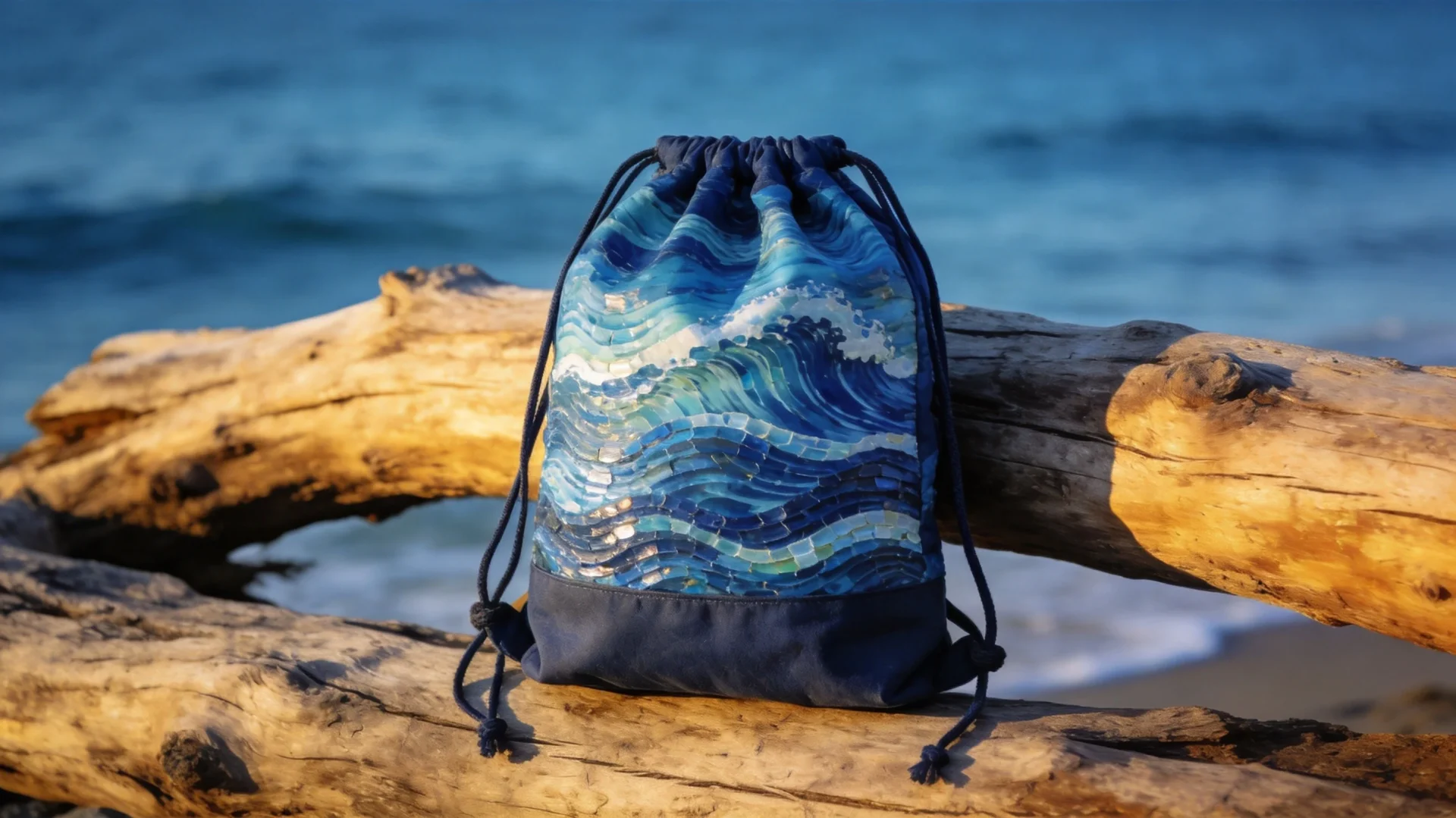
Philadelphia-based United By Blue removes one pound of ocean trash for every product sold. Their backpacks combine rugged, travel-ready construction with a distinctive heritage aesthetic — think waxed canvas meets recycled nylon.
Materials: Recycled ocean plastic (collected through partnerships with Ocean Conservancy), waxed organic canvas, recycled polyester linings, and vegetable-tanned leather accents.
Features: UBB packs are built for travel — full clamshell openings, TSA-friendly laptop access, and luggage pass-through straps. The Kinsale collection offers roll-top waterproofing for wet-weather commuting.
Who It’s For: Travel-focused professionals and ocean conservation advocates. If your commute involves rain, airports, or both, UBB delivers weather-ready performance with purpose.
vs. Cotopaxi: UBB offers more travel-specific features and ocean conservation impact. Cotopaxi’s color-blocked designs are more playful; UBB leans toward refined, adult-oriented aesthetics.
7. Girlfriend Collective — From Water Bottles to Wearable Gear
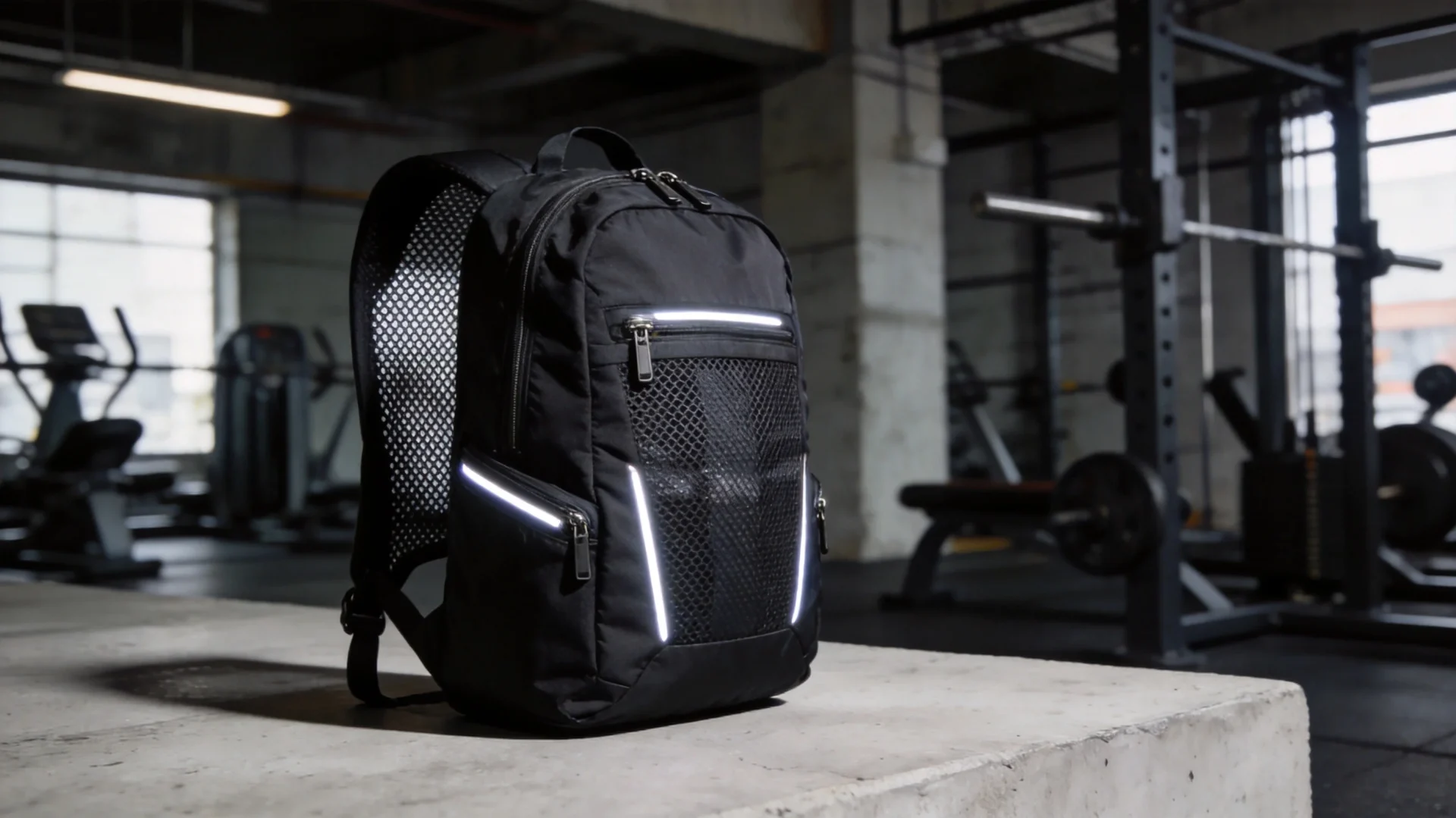
Girlfriend Collective made their name turning recycled water bottles into activewear, and their backpack extension applies the same philosophy. Each pack is made from up to 25 recycled RPET bottles, and the entire production process is SA8000 certified for social accountability.
Materials: RPET (recycled polyethylene terephthalate) from post-consumer water bottles, recycled nylon trims, YKK zippers made from recycled materials.
Features: Lightweight, packable designs with adjustable padded straps, front zip pockets, and internal organization. Colors are derived from eco-friendly dyes, and wastewater is safely treated before discharge.
Who It’s For: Women seeking stylish, lightweight eco-bags for gym, yoga, and daily carry. The affordable price point makes Girlfriend Collective an excellent entry into sustainable accessories.
vs. Cotopaxi: Girlfriend Collective is significantly more affordable and lighter in weight. Cotopaxi offers larger capacity options and more outdoor-specific features.
8. Nomatic — Premium Tech-Forward Travel Backpacks
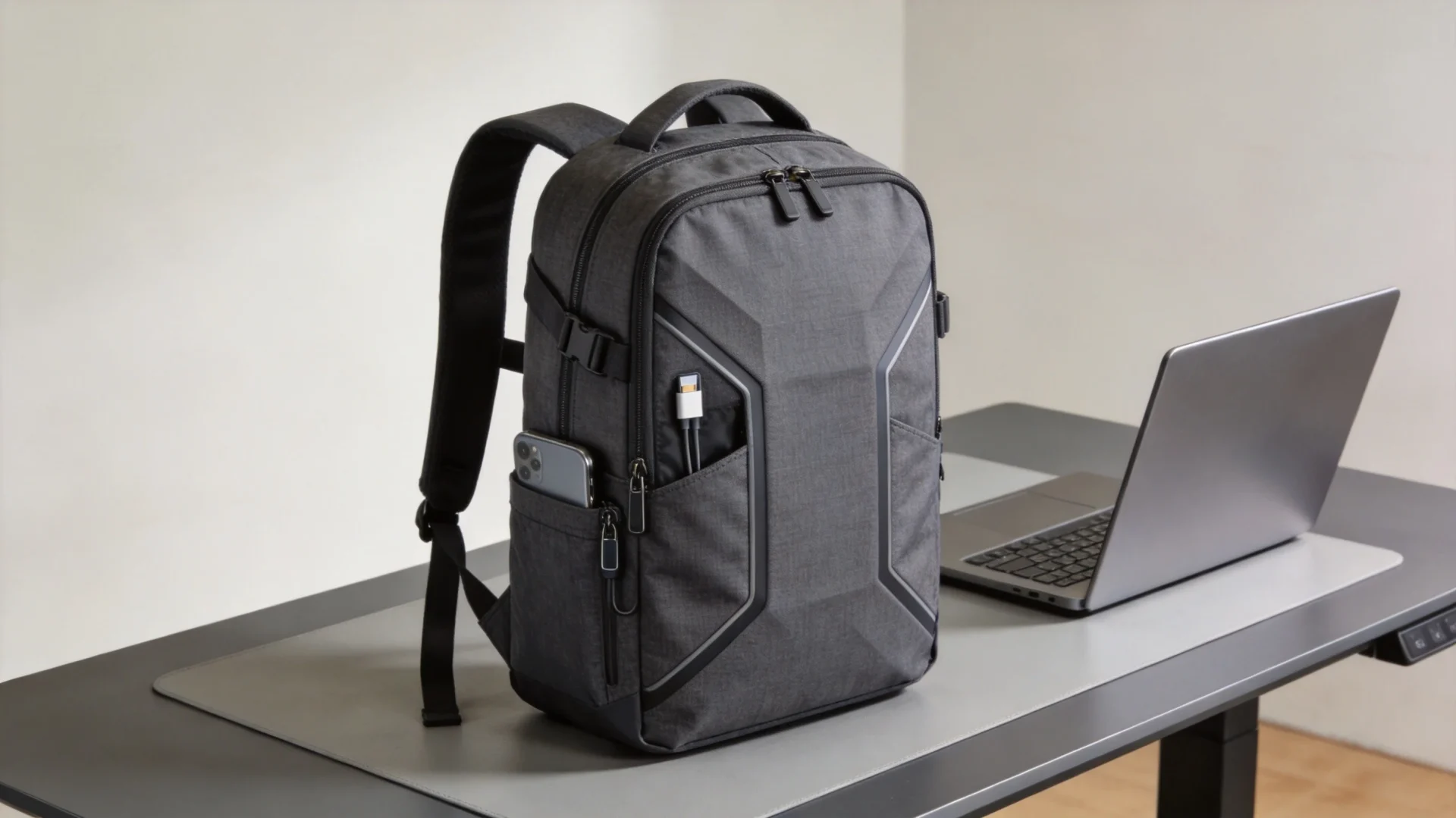
Nomatic approaches backpacks from an engineering perspective. While their sustainability story is less prominent than Patagonia’s, their commitment to ethical manufacturing and lifetime durability means fewer replacements and less waste over time.
Materials: 1680D ballistic nylon (exceptionally durable), water-resistant base materials, YKK Aquaguard zippers, and bombshell leather reinforcements. All factories are independently audited.
Features: Nomatic leads in organization — dedicated tech compartments, cable routing channels, fold-flat designs for airline compliance, and expandable capacity systems. The Travel Bag 40L is a cult favorite among digital nomads.
Who It’s For: Business travelers, digital nomads, and tech professionals who prioritize organization and professional appearance. If you carry a laptop, tablet, camera, and cables daily, Nomatic’s internal architecture is unmatched.
vs. Cotopaxi: Completely different positioning. Nomatic is premium professional; Cotopaxi is casual outdoor. For tech-heavy carry and business travel, Nomatic wins decisively.
9. Osprey Talon/Tempest — Technical Performance With Recycled Materials
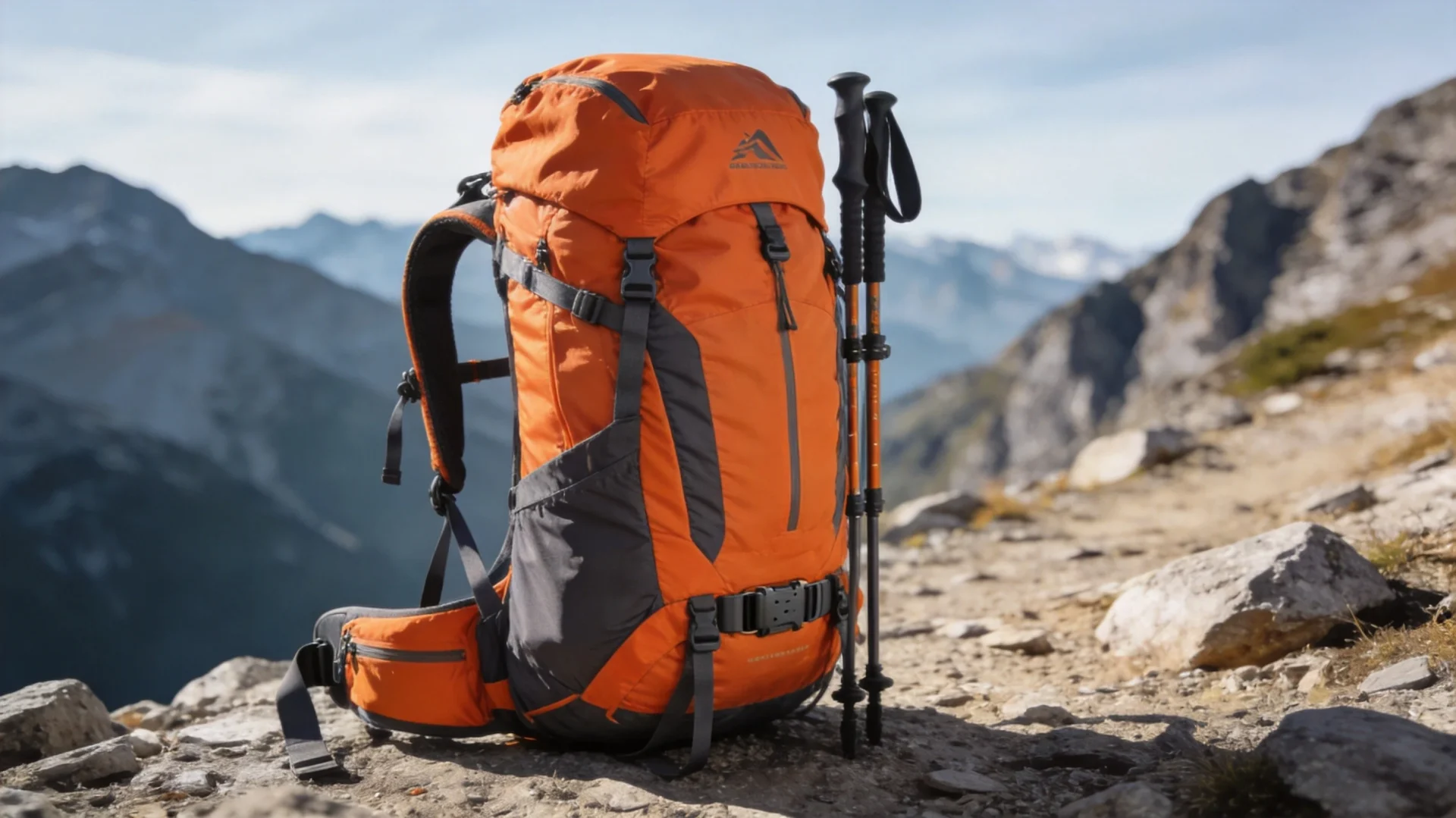
Osprey’s Talon (men’s) and Tempest (women’s) series represent the pinnacle of sustainable hiking pack engineering. Constructed entirely from bluesign® approved recycled nylon, these packs deliver the performance serious hikers demand without the environmental guilt.
Materials: 100% bluesign approved recycled nylon (210D and 70D variants), PFC-free DWR treatment, recycled aluminum frame components.
Features: Osprey’s Fit-on-the-Fly harness system allows on-trail adjustments, the BioStretch hipbelt provides unmatched load transfer, and the AirScape back panel delivers ventilation in hot conditions. Integrated Stow-on-Go trekking pole attachment and FlapJacket top lid for streamlined day-use.
Who It’s For: Serious hikers and backpackers who need technical performance above all else. Osprey’s lifetime Al Mighty Guarantee means these packs are built and supported for life.
vs. Cotopaxi: Osprey Talon/Tempest dramatically outperform Cotopaxi in load comfort, ventilation, and technical features. Cotopaxi is better suited for casual day use and urban carry.
10. Patagonia Black Hole — The Direct Cotopaxi Luzon Alternative
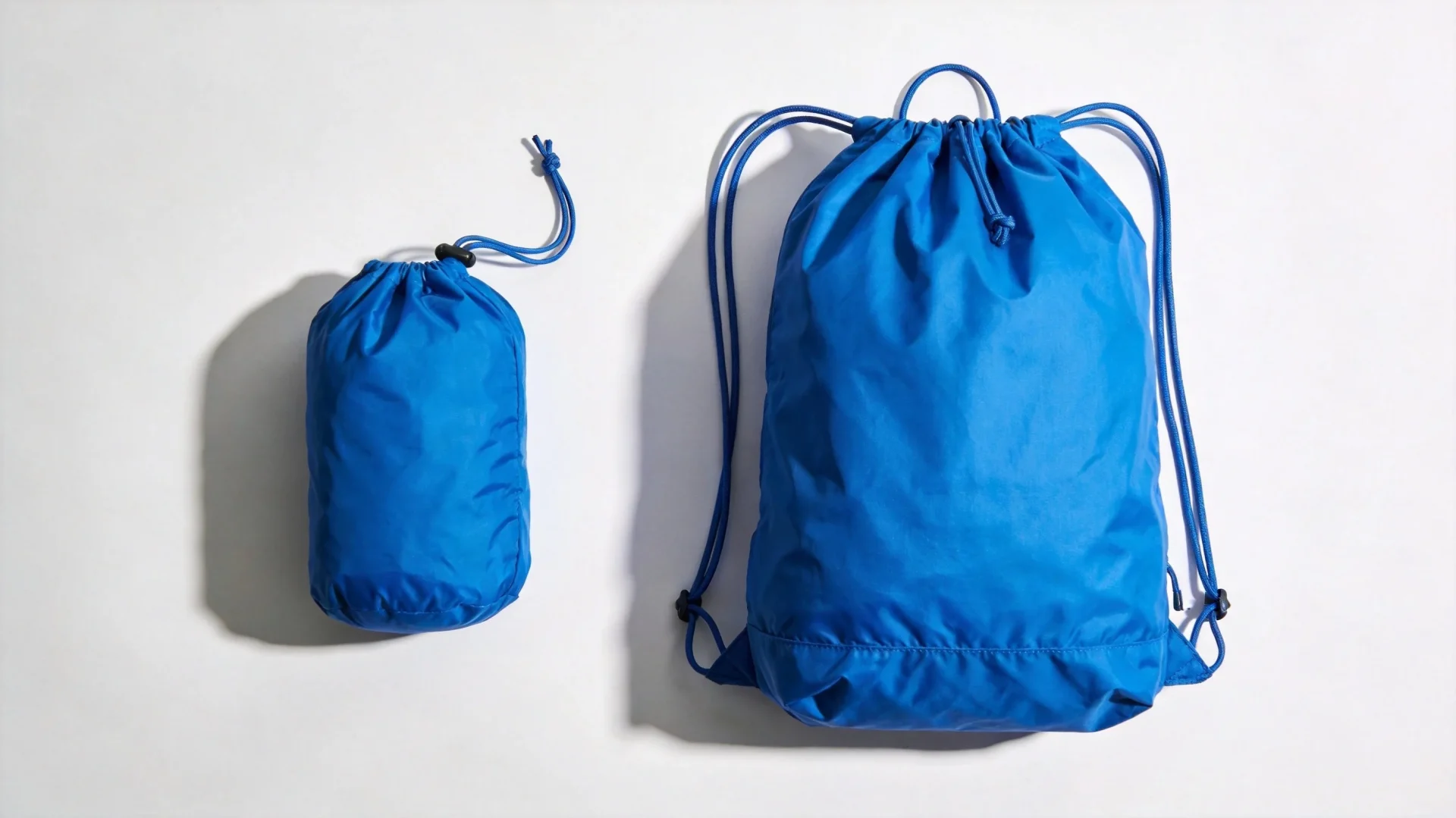
If you specifically love the Cotopaxi Luzon’s lightweight, packable design, the Patagonia Black Hole Pack is the most direct upgrade. Both emphasize packability and light weight, but the Black Hole adds recycled construction, superior water resistance, and Patagonia’s repair infrastructure.
Materials: 100% recycled ripstop nylon (20-denier, 70-denier variants), TPU laminate for waterproofing, PFC-free DWR.
Features: The Black Hole series packs into its own pocket (stuffsack included), features padded shoulder straps with breathable mesh, a daisy chain for external attachment, and multiple capacity options (15L, 20L, 25L, 32L).
Who It’s For: Travelers and minimalists who want a pack that stuffs down to nothing when not in use but deploys into a capable daypack. Ideal as a secondary bag for trips.
vs. Cotopaxi Luzon: Nearly identical weight and packability, but the Black Hole offers better water resistance, more capacity options, and Patagonia’s repair guarantee. The Luzon wins on color variety and lower price.
How We Chose These Cotopaxi Alternatives
Our selection criteria focused on brands that match or exceed Cotopaxi’s environmental commitment while offering distinct advantages in specific use cases. We considered:
- Material transparency: Published supply chain data and third-party certifications (bluesign®, GOTS, Fair Trade, B Corp)
- Product range: Multiple capacity and style options to serve different user needs
- Environmental impact: Quantifiable sustainability initiatives beyond marketing claims
- Durability: Products built to last 5+ years, reducing replacement waste
- Value: Price-to-performance ratio relative to the sustainable features offered
According to a 2025 report by the Sustainable Apparel Coalition, the global sustainable backpack market grew 23% year-over-year, with consumer demand for transparent supply chains driving brand accountability across the industry.
Final Recommendations: Which Cotopaxi Alternative Is Right for You?
⛰️ Best for serious hiking: Osprey Talon/Tempest — unmatched technical performance with recycled materials
? Best for travel: United By Blue or Nomatic — travel-specific features with ocean/professional focus
? Best for daily commuting: tentree or Fjällräven — stylish, sustainable, and office-appropriate
? Best for fitness/wellness: PrAna — purpose-built for yoga and active lifestyles
? Best budget option: Girlfriend Collective — affordable RPET construction with strong ethics
? Best overall sustainability: Patagonia — industry-leading transparency and repair infrastructure
? Best Cotopaxi Luzon replacement: Patagonia Black Hole — same packability, better durability
Looking for a Sustainable Backpack Brand of Your Own?
All the brands above prove that sustainable backpacks aren’t a niche anymore — they’re the future. If you’re an entrepreneur, retailer, or outdoor brand looking to launch your own eco-friendly backpack line, JUNYUAN BAGS can help.
Custom Sustainable Backpack Manufacturing
✅ led by a founder with bag industry experience dating from 2004
✅ BSCI & ISO 9001 certified facilities
✅ Recycled fabrics, organic cotton, RPET, and bio-materials available
✅ MOQ: 500 pieces per style
✅ FOB Xiamen with global shipping
✅ Full OEM/ODM support from design to delivery
? [email protected]
? WhatsApp: +86 17750020688
Frequently Asked Questions
What makes a backpack truly eco-friendly?
A truly eco-friendly backpack uses recycled or sustainably sourced materials (like recycled nylon, organic cotton, or RPET from water bottles), avoids harmful chemicals (PFC-free DWR treatments), is manufactured in audited facilities with fair labor practices, and is built to last long enough to reduce replacement frequency. Third-party certifications like bluesign®, GOTS, Fair Trade, and B Corp provide independent verification.
Are Cotopaxi backpacks worth the price?
Cotopaxi backpacks are well-made for casual day use, with the added benefit of supporting a mission-driven company. However, for technical hiking, heavy-duty travel, or professional commuting, alternatives like Osprey, Patagonia, or Nomatic often offer better performance at similar or slightly higher price points. For budget-conscious buyers, REI Co-op and tentree provide excellent value.
What is the best alternative to Cotopaxi Luzon?
The Patagonia Black Hole Pack (15L or 20L) is the closest alternative to the Cotopaxi Luzon. Both are lightweight, packable daypacks with similar capacity. The Black Hole offers better water resistance (TPU laminate), stuffs into its own pocket, and comes with Patagonia’s lifetime guarantee. The REI Co-op Flash 22 is another excellent lightweight alternative at a lower price point.
Which sustainable backpack brand has the best warranty?
Osprey’s Al Mighty Guarantee and Patagonia’s Ironclad Guarantee are the industry leaders — both cover repairs or replacement for the lifetime of the product, regardless of when it was purchased. Fjällräven offers a 3-year warranty but their products are known to last decades with proper care (re-waxing G-1000 fabric, etc.).
Can I get custom eco-friendly backpacks manufactured for my brand?
Yes. Manufacturers like JUNYUAN BAGS (BSCI/ISO certified) specialize in custom sustainable backpack production using recycled nylon, RPET, organic cotton, and bio-based materials. With MOQs starting at 500 pieces, you can launch a private-label eco-friendly backpack line with full OEM/ODM support. Contact [email protected] or WhatsApp +86 17750020688 for a free quote.