
The North Face Backpacks: Why Prices Vary by Line (Explained)
A factory-backed cost breakdown of why a North Face backpack costs $49 in one aisle and $300+ in another, with honest worth-it verdicts per line and cheaper alternatives that match the spec.
The North Face backpack price gap is driven by line tier, shell fabric and suspension, not brand hype. A $49 entry pack and a $300+ technical pack exit a factory with very different bills of materials – the premium packs use higher-denier recycled nylon, a molded or framed suspension with torso-specific fit, rain-ready reinforcements and better hardware, and they carry a retail margin of roughly 250-350% (approx.) over landed cost the same way any branded soft-good does. On raw materials and assembly, an entry pack builds for about $12-20 (approx.) and a technical pack for $55-95 (approx.), so the big price spread you see on the shelf is a real material and engineering difference, plus the brand and distribution layers. Put another way: The North Face does not charge more for the label alone – it charges more for a genuinely different product, and the gap between lines is the most honest part of the pricing.
TL;DR / Quick Answer
- Why do North Face prices vary so much? Because the brand spans deliberately different lines – an entry campus pack, a commuter pack, a travel pack and a technical alpine pack each use different shell fabrics, closures and suspension, and each carries its own margin. The $200-300 packs hold real engineering (framed suspension, torso fit, coated high-denier nylon) that the $50 packs simply lack.
- Is North Face worth the price? For the mid and technical lines, yes – you are paying for higher-denier coated nylon, better zip and closure hardware, and structured carrying systems built to last. For the most basic daily pack sold at a fancier price, mid-tier alternatives match the spec for less.
- What drives the cost per line? Shell fabric (210D vs 400D-630D coated recycled nylon), suspension and frame tooling, zip and hardware grade, warranty service and retail markup – in that order.
- Best-value route: buy the North Face line that matches how you actually use it; and if the label itself matters less, an OEM/ODM backpack with the same fabric and suspension spec delivers the durability at a lower retail point.
1. Why a $49 North Face Pack and a $300 One Come From the Same Brand
The short answer is that The North Face runs multiple product tiers on purpose, and each tier is specced, built and priced differently. From a factory standpoint this is normal – a brand will high-volume a simple pack and low-volume a technical one. We can break the photograph of “one brand, huge price spread” into the cost blocks a factory would quote per line:
| Line Tier (typical) | Retail (approx.) | What the Factory Puts In |
|---|---|---|
| Entry campus / daily pack | $49-90 | 210D-420D polyester or recycled nylon, simple foam back, basic hardware – built for light daily weight |
| Commuter / laptop pack | $90-160 | Coated 420D-630D nylon, padded laptop sleeve, better zips, more organization |
| Travel pack | $120-220 | Higher-denier coated fabric, stable frame sheet, load-transferring hip belt or straps, waterproofing details |
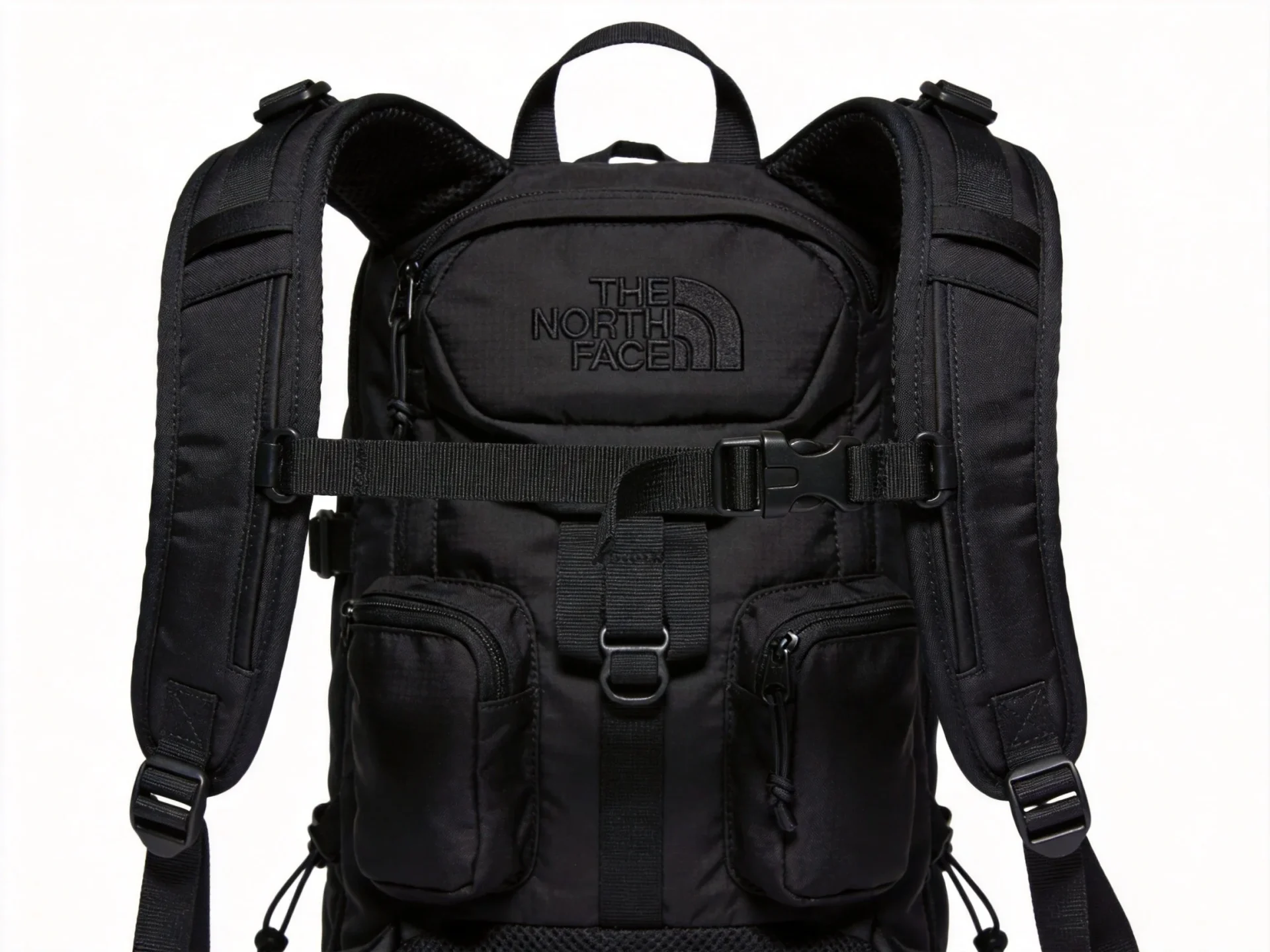
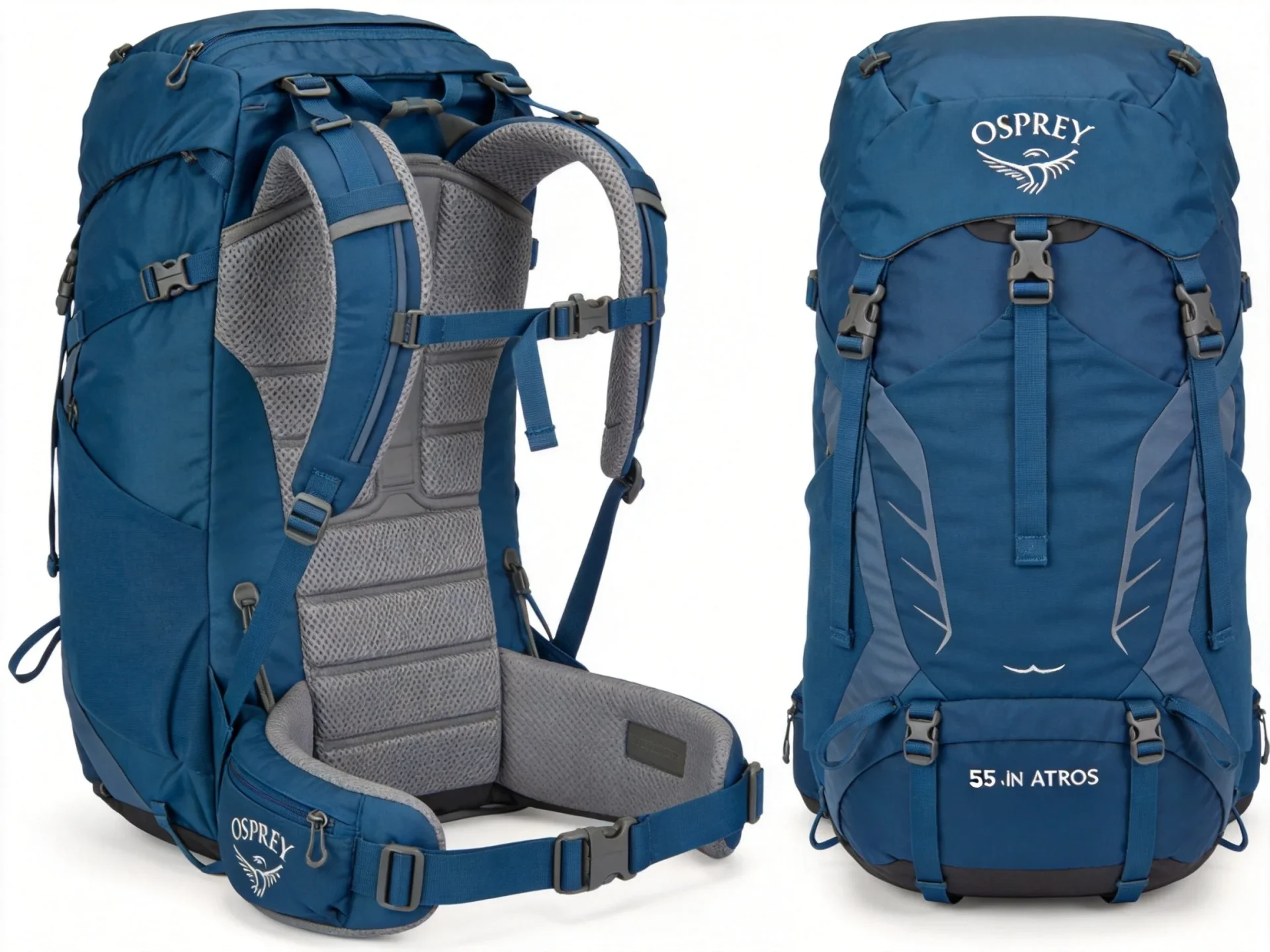
| Technical alpine / hiking pack | $200-350 | Framed suspension, torso-specific fit, 400D-630D coated recycled nylon, welded or reinforced stress points, premium hardware, lifetime-warranty service |
So the spread is real: the technical line carries roughly $55-95 (approx.) of materials and labour, while the entry line carries only $12-20 (approx.). That five-to-seven-times difference in build cost explains most – but not all – of the price gap. The rest is margin and warranty, which we break down next.
2. The Shell Fabric: Where Most of the Material Money Goes
In every backpack quote we cost, the shell fabric is the single biggest material line, and North Face is no exception. The premium packs overwhelmingly use high-denier recycled nylon with a DWR or PU coating; the entry packs lean on cheaper polyester or low-denier nylon. The difference matters a lot in the field:
| Shell Fabric (typical) | Material Cost per Pack (approx.) | What It Delivers |
|---|---|---|
| Polyester 210D-420D (entry) | $3-6 | Cheap, decent for light daily use, wears faster and absorbs water |
| Recycled nylon 210D-420D | $6-11 | Stronger, lighter, more weather-resistant; the mid-line standard |
| Coated 400D-630D recycled nylon | $11-18 | Premium shell – abrasion- and weather-resistant; the technical-line standard |
| High-denier plus reinforcements (tech) | $18-28 | Reinforced stress points, welded/barred seams, the most durable build |
If you compare a $60 North Face pack and a $250 one side by side, the shell fabric alone explains a meaningful chunk of the difference in price. This is also why an entire “worth it” debate mostly comes down to one question: how heavy and how hard will you load it?
3. Suspension, Frame and Fit: The Engineering Premium
This is the part of the price people underestimate. A technical North Face pack adds hardware that a simple campus pack never carries:
- Frame / frame sheet: a molded back panel or lightweight frame stay transfers load off the shoulders onto the hips. Tooling for these is not free – a new suspension set needs moulds and prototypes that amortize across a run.
- Torso-specific fit: offering a pack in multiple torso lengths means more sizes, more SKUs and more pattern work per style.
- Load-transferring hip belt: the belts and adjustments on a heavy-carry pack cost multiples of a flat strap.
- Barred / reinforced stress points: technical packs double-stitch high-load areas, which adds real labour minutes per unit.
- Waterproofing and hardware: coated zips, drain holes and stronger buckles all add up.
From an OEM perspective, the difference between a base travel pack and a full suspension technical pack can be 15-30 extra assembly operations per unit. That is engineering, not brand markup – and it is exactly why a technical pack costs what it costs.
4. The Retail, Distributor and Warranty Layers
Once you subtract the real material and labour, the remaining premium is distribution, brand and service. It is worth being honest about this, because it is where the “overpriced” criticism is partly fair:
- Brand margin and marketing: a heritage outdoor brand funds big retail presence and marketing, which is a normal cost folded into every unit.
- Wholesale-to-retail spread: the brand sells to retailers who then add their own margin – this is the single largest multiplier on the way to the shelf price.
- Warranty and service: the brand’s repair/replace warranty promise is a genuine, amortized cost. Heavy, long-term users get real value from it; occasional buyers overpay for it.
Net: a $250 technical pack may carry roughly $55-95 (approx.) in materials and labour, with the rest going to brand, distribution, retail and warranty. That structure is standard for premium soft goods – the question is always whether the build you receive justifies the top of the range for your use case.
5. Is The North Face Worth It? Verdicts by Line
Because the range spans so many price points, the honest answer is “it depends on which line and how you carry.” Here is the split:
Worth the money when:
- You load 10kg+ for hiking or travel – the suspension and fit genuinely reduce strain you can feel.
- You want a high-denier coated recycled-nylon shell that shrugs off scuffs and light rain for years.
- You keep a pack for many seasons and will actually use the warranty.
Not worth the money when:
- You only need a light daily or campus pack – cheaper mid-tier brands match that spec.
- You buy the cheapest line mainly for the logo, when the fabric and build are not materially different from a $40 alternative.
- You can get the same shell fabric and suspension grade under a private-label OEM build for 40-60% less.
6. The Factory View: Can You Replicate North Face Build Quality?
Yes – and we can say it plainly because this is what bag factories do. The North Face designs in-house and manufactures through a global network of partner factories for bags and backpacks, the same specialized soft-goods network that builds private-label products worldwide. That means the shell fabric grades, the suspension spec, the hardware and the QC tolerance are all buyable under your own brand.
Our affiliated factory works within a vetted partner-factory network – not a single captive shop – covering backpacks, travel bags, duffels and technical carrying goods. If you need a made-to-order pack at the North Face technical tier, the spec (coated high-denier recycled nylon, framed suspension, torso fit, reinforced stress points) is what you specify, not what you hope for.
7. How to Buy the Spec You Want at a Fair Price
Before you pay for a specific North Face line, match the price tier to the job it has to do. For light daily use, a 210D-420D mid-tier pack is plenty and mid-range brands match it for less. If you carry real weight, spend on the technical line and check three things: the denier and coating of the shell, the suspension/frame, and the warranty. On the retail side, previous-season colors, outlet and second-hand technical packs get you the build at a lower price.
If you are sourcing for a brand, the calculation is simpler: the shell fabric and suspension spec are all buyable at factory cost. Start with an OEM/ODM backpack factory to spec the exact line, read the backpack material selection guide to choose the right fabric, and compare the carrying-system options in our custom backpack manufacturing guide.
8. Frequently Asked Questions
Why are some The North Face backpacks so much more expensive than others?
Because the brand runs deliberately different product tiers. Technical and travel packs use higher-denier coated recycled nylon, a framed suspension with torso-specific fit and better hardware, and build for roughly $55-95 (approx.) in materials and labour; entry packs build for only $12-20 (approx.). That real build-cost gap, plus brand, distribution and retail margin, drives the spread.
Is The North Face overpriced?
Not for the mid and technical lines used for real weight – the shell fabric, suspension and warranty justify the price for heavy, long-term users. The most basic entry packs are overpriced when bought mainly for the logo, because their spec is not materially different from cheaper alternatives.
Where are The North Face backpacks made?
Like most premium soft-goods brands, The North Face designs in-house and manufactures through a global partner-factory network. That is why the construction and material grades can be replicated under OEM/ODM by an affiliated factory with the same capability.
Is the higher-denier nylon in premium North Face packs worth it?
Yes, for hard use. Coated 400D-630D recycled nylon resists abrasion and light rain far better than the 210D polyester or low-denier nylon used in cheaper packs. It is the single biggest material cost line and the best place to spend if you want a long-lived pack.
Is the warranty worth paying for?
For buyers who keep a pack for many seasons and use it heavily, yes – a repair/replace warranty is a genuine, amortized cost folded into the price. For occasional, light use it is worth less relative to the upfront premium.
What cheaper alternatives match a North Face pack?
Mid-tier technical brands around $90-160, previous-season or outlet North Face, and OEM/ODM private-label builds all deliver the same shell fabric, suspension and hardware grade while trimming the brand and retail margin. The spec is buyable under any label.
Which North Face line is the best value?
The commuter and travel lines offer the best value: you get coated high-denier nylon and real organization without paying for full alpine-suspension engineering you may not need. Entry packs and top technical packs sit at the two ends where value is easiest to over- or under-pay for.
Can I get a North Face-class pack built under my own brand?
Yes. Premium technical and travel packs are manufactured through the same partner-factory network that builds private-label goods worldwide. Our affiliated factory can spec a made-to-order coated-nylon pack with a framed suspension and torso fit for your brand at factory cost.
9. Final Word
The North Face backpack price spread is not a gimmick – the technical and travel lines carry genuinely better fabrics, suspension and hardware, and that is worth paying for if you load real weight. The honest rule is to match the line to the job and not buy the logo on a basic pack. If you want the same material and engineering truth at a better price, an OEM/ODM technical build is the direct route.
Need the North Face Spec Under Your Own Brand?
We are the affiliated factory behind premium private-label backpacks and travel goods – 4,950 sqm, 7 production lines, 149 machines and 137 staff, with monthly line capacity of 200,000 pieces, serving 200+ brands across 100+ countries. Spec coated high-denier recycled nylon, a framed suspension and reinforced stress points at factory cost.