
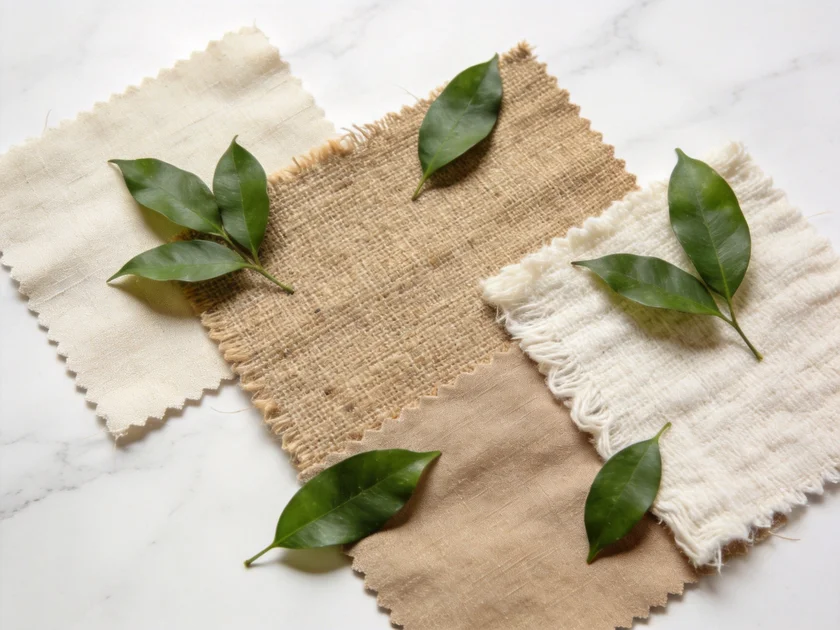
RPET (recycled PET polyester) has become the darling of sustainable bag manufacturing — and for good reason. It diverts plastic bottles from landfills, reduces carbon footprint compared to virgin polyester, and can be certified through the Global Recycled Standard (GRS) for full supply chain transparency. At Junyuan Bags, our RPET backpack line has been one of our most popular sustainable offerings.
But RPET is not the only sustainable material option available to bag brands. As the textile industry innovates rapidly, a growing range of alternative sustainable materials — from cornstarch-based fabrics to hemp canvas and recycled cotton — offers brands diverse paths to environmental responsibility.
This guide explores the sustainable bag materials landscape beyond RPET, helping B2B buyers evaluate options based on performance, cost, availability, certifications, and brand story potential.
The Expanding Universe of Sustainable Bag Materials
The sustainable materials market has evolved dramatically in recent years. What was once limited to organic cotton and recycled polyester now encompasses bio-based polymers, agricultural waste derivatives, regenerated fibers, and innovative blends that challenge traditional assumptions about what sustainable materials can achieve.
For B2B bag brands, this expansion creates both opportunity and complexity. The right sustainable material can differentiate your products, justify premium pricing, and resonate with environmentally conscious consumers. The wrong choice can lead to performance failures, supply chain disruptions, and greenwashing accusations.
Understanding the properties, limitations, and ideal applications of each sustainable material is essential for making informed sourcing decisions.
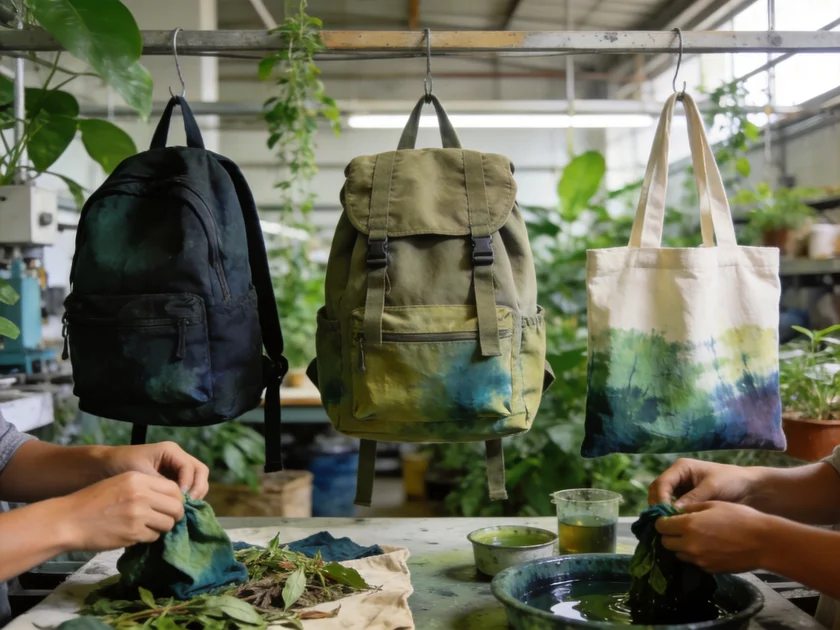
Cornstarch-Based Fabrics (PLA/Polylactic Acid)
What it is: Polylactic acid (PLA) fabric is derived from fermented cornstarch or sugarcane. The starch is converted to lactic acid, then polymerized into PLA fibers. It’s one of the most commercially viable bio-based textiles available today.
Key properties: PLA fabric is biodegradable under industrial composting conditions (breaks down in 90-180 days in commercial composting facilities), has a silky smooth hand feel, offers good moisture-wicking properties, is naturally UV-resistant, and can be blended with other fibers for enhanced durability.
Best applications: Lightweight tote bags, promotional drawstring bags, dust bags, garment bags, and inner linings. PLA’s moisture sensitivity makes it less suitable for heavy-duty outdoor bags without protective coatings.
Considerations: PLA degrades in high heat (above 60°C/140°F) and high humidity environments, so storage and shipping conditions matter. Industrial composting facilities are not universally available, limiting end-of-life composting in many regions. Cost is typically 15-30% higher than conventional polyester.
Certifications: Look for EN 13432 (European compostability standard), ASTM D6400 (US compostability), and OK Compost certification.
Hemp Fabric and Canvas
What it is: Hemp fabric is woven from the fibers of the Cannabis sativa plant (industrial hemp, containing negligible THC). Hemp has been used for textiles for thousands of years and is experiencing a modern renaissance in sustainable fashion and accessories.
Key properties: Exceptionally durable — hemp fibers are 3-5 times stronger than cotton, naturally antimicrobial and odor-resistant, becomes softer with each wash while maintaining strength, requires minimal water and no pesticides to grow (uses 50% less water than cotton), and absorbs CO2 during growth (carbon-negative crop).
Best applications: Heavy-duty tote bags, backpacks, duffel bags, messenger bags, and any application where durability and natural aesthetics are valued. Hemp canvas provides excellent structure for unlined bags.
Considerations: Hemp fabric has a distinctive natural texture that may not suit all design aesthetics. Initial hand feel is coarser than cotton (though it softens significantly with use). Limited color options in natural/undyed form; dyeing requires specific processes. Supply chain is less established than cotton or polyester, which can affect consistency and lead times.
Certifications: Look for organic hemp certification (USDA Organic, EU Organic), and verify that processing doesn’t involve harsh chemical retting methods.
Recycled Cotton
What it is: Recycled cotton is produced by mechanically or chemically breaking down pre-consumer (manufacturing waste) or post-consumer (used garments and textiles) cotton products into fibers that are then re-spun into new yarn. The mechanical process is more common and more sustainable, though it produces shorter fibers.
Key properties: Reduces textile waste going to landfills, uses 95% less water than virgin cotton production, eliminates need for new agricultural land, maintains cotton’s natural breathability and comfort, and can be blended with recycled polyester for enhanced durability.
Best applications: Casual tote bags, drawstring bags, canvas backpacks, promotional bags, and fashion-forward accessories. Works well for natural, earthy aesthetic brands.
Considerations: Mechanically recycled cotton has shorter fibers, resulting in lower tensile strength than virgin cotton — often requiring blending with recycled polyester (typically 70/30 or 50/50 blends) for bag applications. Color consistency can vary since recycled cotton inherits colors from source materials. Supply depends on availability of sorted textile waste streams.
Certifications: GRS (Global Recycled Standard) for recycled content verification, RCS (Recycled Claim Standard), and GOTS (Global Organic Textile Standard) for organic blends.
Other Emerging Sustainable Materials
Several other sustainable materials are gaining traction in bag manufacturing:
Organic Cotton: Grown without synthetic pesticides or fertilizers, certified by GOTS or OCS. Familiar hand feel and performance, widely available, but requires significantly more water than recycled alternatives. Best for brands wanting a natural material with established supply chains.
Recycled Nylon (Econyl): Made from fishing nets, carpet fluff, and industrial plastic waste. Offers excellent durability and water resistance, ideal for outdoor and travel bags. More expensive than recycled polyester but superior performance in wet conditions.
Mushroom Leather (Mycelium): Grown from fungal mycelium, this bio-based leather alternative offers a premium aesthetic for fashion bags. Still in early commercial stages with limited availability and high cost, but represents the frontier of sustainable material innovation.
Pinatex (Pineapple Leaf Fiber): Made from waste pineapple leaves, Pinatex offers a leather-like texture for fashion accessories. Currently more suited to small accessories than full-size bags, but the technology is evolving rapidly.
Recycled Ocean Plastic: Similar to RPET but specifically sourced from ocean-bound plastic waste. Carries a compelling brand story for environmentally focused brands. Requires careful supply chain verification to ensure genuine ocean plastic sourcing.
Comparing Sustainable Materials: A Decision Framework
Choosing the right sustainable material depends on multiple factors:
Performance requirements: If durability and water resistance are paramount, recycled nylon or RPET with waterproof coating may be best. For natural aesthetics and breathability, hemp or organic cotton excels. For lightweight promotional bags, PLA or recycled cotton work well.
Brand positioning: Materials carry brand stories. Hemp communicates ruggedness and heritage. RPET tells a plastic waste diversion story. Cornstarch fabrics showcase innovation. Organic cotton conveys purity and simplicity. Choose materials whose stories align with your brand values.
Cost considerations: Sustainable materials typically carry a 10-40% premium over conventional alternatives. RPET is among the most cost-competitive sustainable options. Hemp and organic cotton sit in the mid-range. Innovative materials like mycelium leather and Pinatex command premium pricing.
Minimum order quantities: Established sustainable materials (RPET, organic cotton, recycled cotton) are available with standard MOQs. Emerging materials may require higher MOQs due to limited production capacity. At Junyuan Bags, we can source and work with most sustainable materials at our standard MOQ of 500 pieces per style per color.
Certification requirements: If your brand requires certified sustainable materials, verify that your chosen material can be supplied with appropriate certifications (GRS, GOTS, OCS, etc.) before committing to production.
Integrating Sustainable Materials Into Your Bag Line
Brands don’t need to choose just one sustainable material. Many successful brands use a mix of materials across their product lines:
Entry-level sustainable option: Start with RPET for your core products. It’s cost-competitive, widely available, GRS-certifiable, and offers proven performance. Junyuan Bags’ RPET backpacks are a popular starting point for brands new to sustainable manufacturing.
Premium sustainable line: Introduce hemp or organic cotton options for premium collections where customers expect natural materials and are willing to pay more.
Innovation showcase: Use emerging materials like PLA or recycled ocean plastic for limited-edition or seasonal collections that generate PR and demonstrate your brand’s commitment to innovation.
Verifying Sustainable Material Claims
Greenwashing is a growing concern in the sustainable materials space. Protect your brand by verifying supplier claims:
Request certification documents: GRS certificates include transaction certificates (TCs) that trace recycled content through the supply chain. Verify TCs through the certification body.
Ask for material composition reports: Independent lab testing can verify claimed material composition (e.g., confirming a fabric is actually 100% RPET vs. a blend).
Understand certification scope: GRS certifies recycled content and chain of custody. It does not certify environmental impact of the manufacturing process. For broader sustainability claims, look for additional certifications like Bluesign or Oeko-Tex.
Visit or audit your material supplier: For high-volume or high-stakes sustainable material commitments, visiting the material production facility provides confidence in claims and processes.
Frequently Asked Questions About Sustainable Bag Materials
Is RPET still the best sustainable material for bags?
RPET remains one of the best all-around sustainable materials for bags due to its cost-effectiveness, performance, wide availability, and GRS certification. However, the “best” material depends on your specific needs — hemp offers superior durability and natural aesthetics, recycled cotton provides a softer hand feel, and PLA showcases innovation. Many brands use multiple sustainable materials across different product lines.
How much more do sustainable bag materials cost?
Sustainable material premiums range from 10-40% over conventional alternatives. RPET typically carries a 10-20% premium. Organic cotton and recycled cotton are 15-30% higher. Hemp falls in the 20-30% range. Innovative materials like mycelium leather can be 50-100%+ more expensive. These premiums often decrease as order volumes increase and as sustainable material production scales.
Can sustainable materials match the durability of conventional bag materials?
Yes, many sustainable materials match or exceed conventional material durability. Hemp is significantly stronger than conventional cotton. RPET performs identically to virgin polyester in most applications. Recycled nylon offers excellent abrasion resistance. The key is selecting the right material for your specific performance requirements and working with a manufacturer experienced in processing sustainable materials.
What certifications should I look for in sustainable bag materials?
Key certifications include: GRS (Global Recycled Standard) for recycled content verification, GOTS (Global Organic Textile Standard) for organic fibers, OCS (Organic Content Standard) for organic material tracking, RCS (Recycled Claim Standard) for basic recycled content claims, and Oeko-Tex Standard 100 for harmful substance testing. At Junyuan Bags, we maintain GRS certification and can provide documentation for all our sustainable material offerings.
How do I transition my existing bag line to sustainable materials?
Start by identifying which products in your line would benefit most from sustainable materials based on your brand positioning and customer expectations. Begin with a single product or collection as a pilot, working with your manufacturer to test materials, validate performance, and refine your approach. At Junyuan Bags, we support brands through this transition with material sampling, performance testing, and certification guidance.
Custom Bag Manufacturing. Led by a founder with bag industry experience dating from 2004
led by a founder with bag industry experience dating from 2004, serving 200+ brands across 100+ countries. Factory-direct OEM/ODM with full certification support.
MOQ 500pcs · Factory Direct · Free Sample Available