
Men’s Designer Crossbody Guide · 2026
Designer Crossbody Bags for Men: Are Premium Bags Worth It?
Short answer: a designer crossbody bag is worth it only when you are paying for genuine construction rather than a logo. A full-grain leather or coated-canvas men’s crossbody typically weighs 500–900 g, holds a phone-to-13-inch-tablet range of loads, and retails from roughly $50 to over $2,000 depending on brand and material grade. From a factory perspective, the premium material alone can cost $15–60 per panel set for full-grain hide, while labor for a lined messenger runs about $2–6 per unit — so the gap between a $60 budget bag and a $600 designer bag is mostly brand, finishing, QC and markup, not hidden materials. This guide breaks down what actually drives the price, which designer pieces justify it, and how to get the same quality for less.
- Worth it: full-grain leather from Coach, Fossil, Lacoste — $60–300 band gives real quality per dollar.
- Paying mostly for brand: coated-canvas or heavily logoed pieces above $1,500 (e.g. Louis Vuitton) — worth it if resale or brand identity matters.
- Not worth it: thin-PU “designer-look” bags that peel in 1–3 years.
- Smart middle path: an OEM/ODM-made crossbody under your own label replicates the construction at a fraction of the price.
1. What you are actually paying for
Before you spend, it helps to separate the three things bundled inside any designer crossbody for men:
- Materials. This is the largest honest cost. Full-grain leather, dense nylon, coated canvas and quality YKK-class zippers are genuinely more expensive than PU and generic hardware.
- Construction. Tighter stitch spacing (6–8 stitches per inch), reinforced stress points, edging and finishing, and per-unit QC. A well-made bag survives daily use; a cheap one fails at the corners and the strap.
- Brand and markup. Marketing, boutiques, duties and margin can multiply production cost by 4–20×. You are partly buying a status signal and, at the top end, resale value.
Understanding this split is the most useful skill a crossbody shopper can have — and it is exactly where a buyer who has built bags from raw hide to finished product sees the pricing most clearly.

2. Factory breakdown: materials, process and true cost
We run production through an affiliated factory verified by SGS for Alibaba.com in March 2026: a 4,950 sqm plant with 7 production lines, 149 machines (126 sewing), 137 staff, and a monthly line capacity of 200,000 pieces. The plant supplies more than 200 brands across 100+ countries. Here is how a designer-grade crossbody actually gets made — and what each step costs.
Material comparison table
| Material | Typical retail range | Typical weight (empty) | Durability | Water resistance | Best for |
|---|---|---|---|---|---|
| Nylon (ballistic / ripstop) | $30–80 (approx.) | 300–500 g | Good; abrasion-resistant | Good with coating | Everyday, travel, lightness |
| Polyurethane (PU / vegan leather) | $40–120 (approx.) | 400–600 g | Moderate; may peel in 1–3 yrs | Good | Budget fashion, colour options |
| Split / bonded leather | $60–150 (approx.) | 500–700 g | Fair; thinner surface | Fair | Price-conscious leather look |
| Full-grain / top-grain genuine leather | $150–600+ (typical) | 600–900 g | Excellent; ages with patina | Natural, needs care | Investment, daily, heirloom |
| Coated canvas (luxury type) | $300–2,000+ (typical) | 450–700 g | Excellent; resists scuffs | Excellent (coated) | Brand value + durability |
Process steps
- Cutting. Panels are cut from hide or fabric. Full-grain hides are graded; only cleaner, denser sections become the front panel.
- Sewing. Lining and body are stitched separately, then joined. Stress points (strap mounts, corners) get reinforcement and edge finishing.
- Hardware & assembly. Zippers, magnetic snaps, buckles and feet are fitted, aligning to a jig so every unit matches.
- QC & finishing. Thread trimming, edge coating, inspection of stitching tension and closure function. Good factories inspect 100% before boxing.
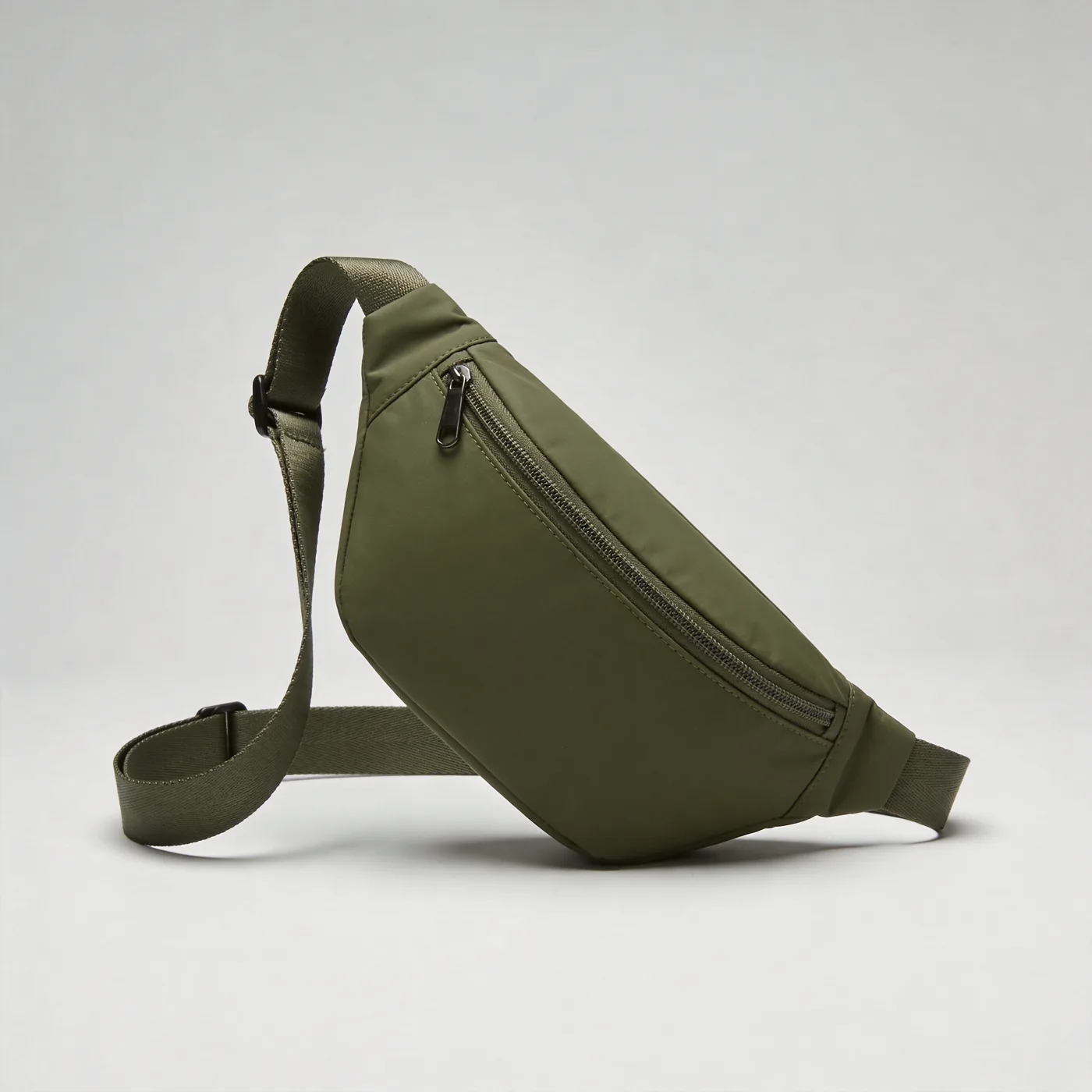
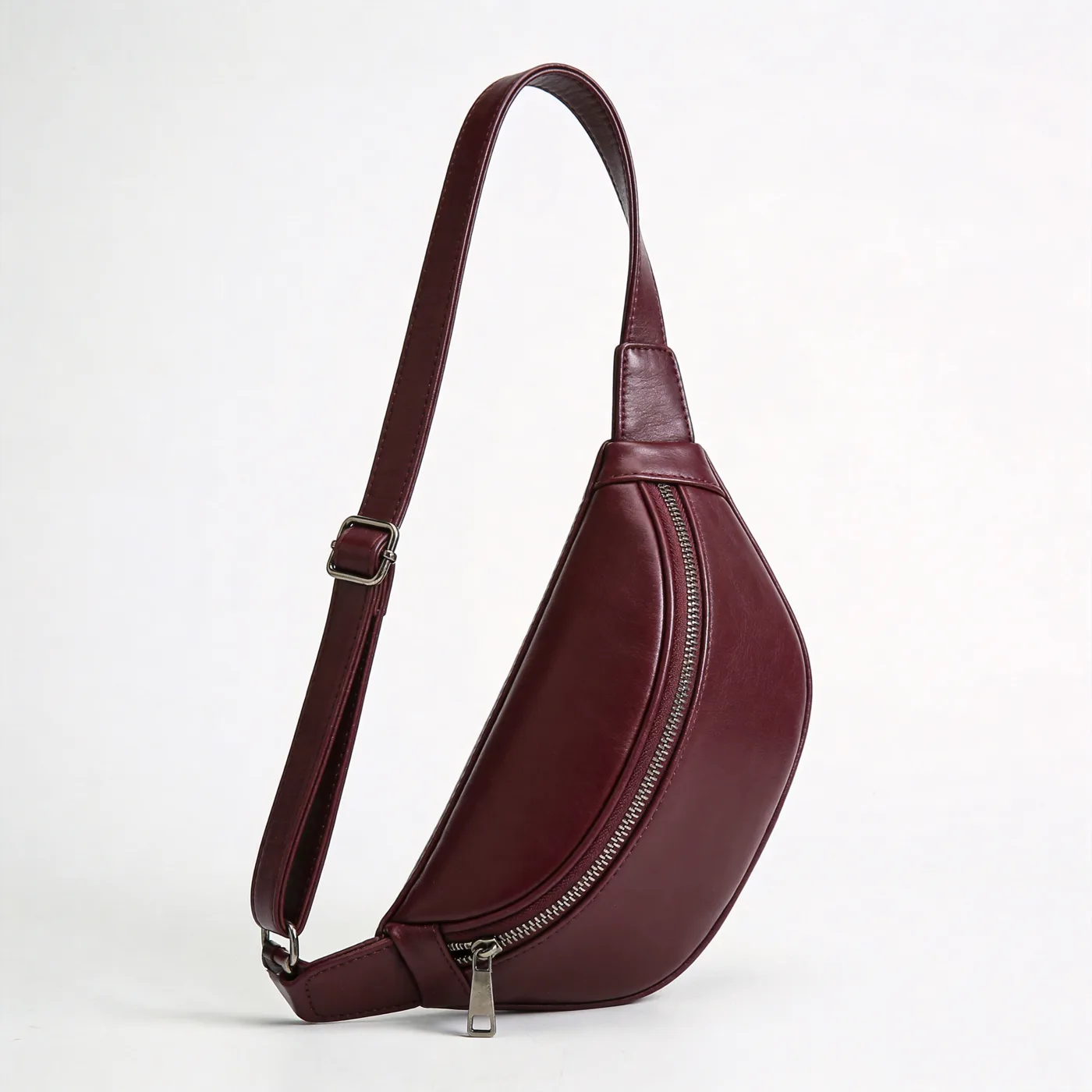
Cost structure, in plain numbers
Costs below are typical ranges, not exact quotes — pricing depends on quantity, leather grade and hardware specification:
- Materials. Nylon shell: about $1.50–4 per unit. PU: $2–6. Full-grain leather panels: $15–60 per set. Lining, interlining and thread add $1–3.
- Hardware. Zippers, slider, magnetic snap and buckle: $0.80–4 per unit for quality pieces; a custom metal logo mold (pull, badge or snap) runs roughly $500–2,000 one-off.
- Labor & overhead. Cutting, sewing and assembly for a lined crossbody: about $2–6 per unit on a steady line.
- MOQ. From an OEM/ODM factory, a simple nylon messenger commonly starts around a few hundred pieces; full-grain leather lines usually require larger quantities or a sample-approved run.
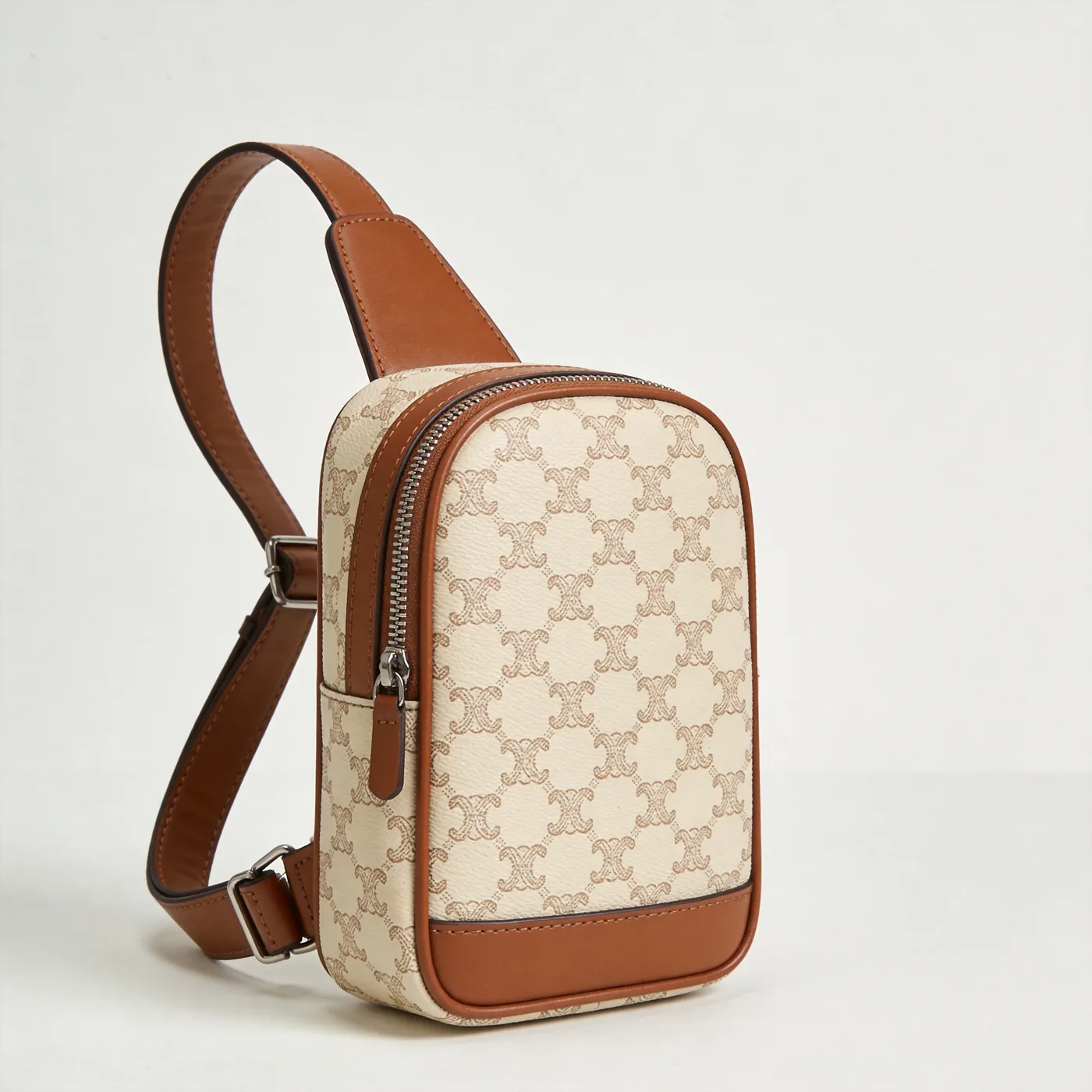
3. Five designer crossbodies judged on value
Rather than a long ranking, here are five representative pieces weighed against a value framework. This is a worth-it judgement, not a shopping list.
Louis Vuitton District Messenger — the brand & resale play
Ballpark: $1,500+ (typical). Coated Damier canvas, full-grain leather trim, 2 interior tablet compartments.
Worth it if: you value iconic coated canvas, and treat it as wearable capital — LV holds resale value better than almost any fashion label. Not worth it if: you want maximum longevity per dollar; a full-grain leather crossbody at a third of the price can outlast it.
Coach Graham Crossbody — the leather value pick
Ballpark: $150–300 (typical). Full-grain/signature leather, compact, adjustable strap.
Worth it: yes for most buyers. Real leather, solid construction and a reasonable price make this a defensible “quality per dollar” pick among recognised names.
Lacoste Crossbody (e.g. Neocroc / Petit Piqué) — the entry designer
Ballpark: $50–120 (approx.). PU or PVC-based, lightweight, compact.
Worth it if: you want a branded, compact everyday bag without a big spend. Lower durability: expect 1–3 years of daily wear before a PU surface shows its age — treat it as fashion, not investment.
Fossil Men’s Workbags (e.g. Greenville) — functional workwear
Ballpark: $100–200 (typical). Eco-/leather accents, padded laptop sleeve, pen and slant pockets.
Worth it: yes if your carry includes a laptop — the organisation and construction justify the mid-range price, and the materials age predictably.
Michael Kors Cooper Signature — the accessible fashion pick
Ballpark: $80–180 (typical). Signature PVC with leather trim.
Worth it if: you want a recognisable brand at an approachable price and value the look over sheer material longevity. Handled with care, PVC holds up well; it is not an heirloom leather piece.
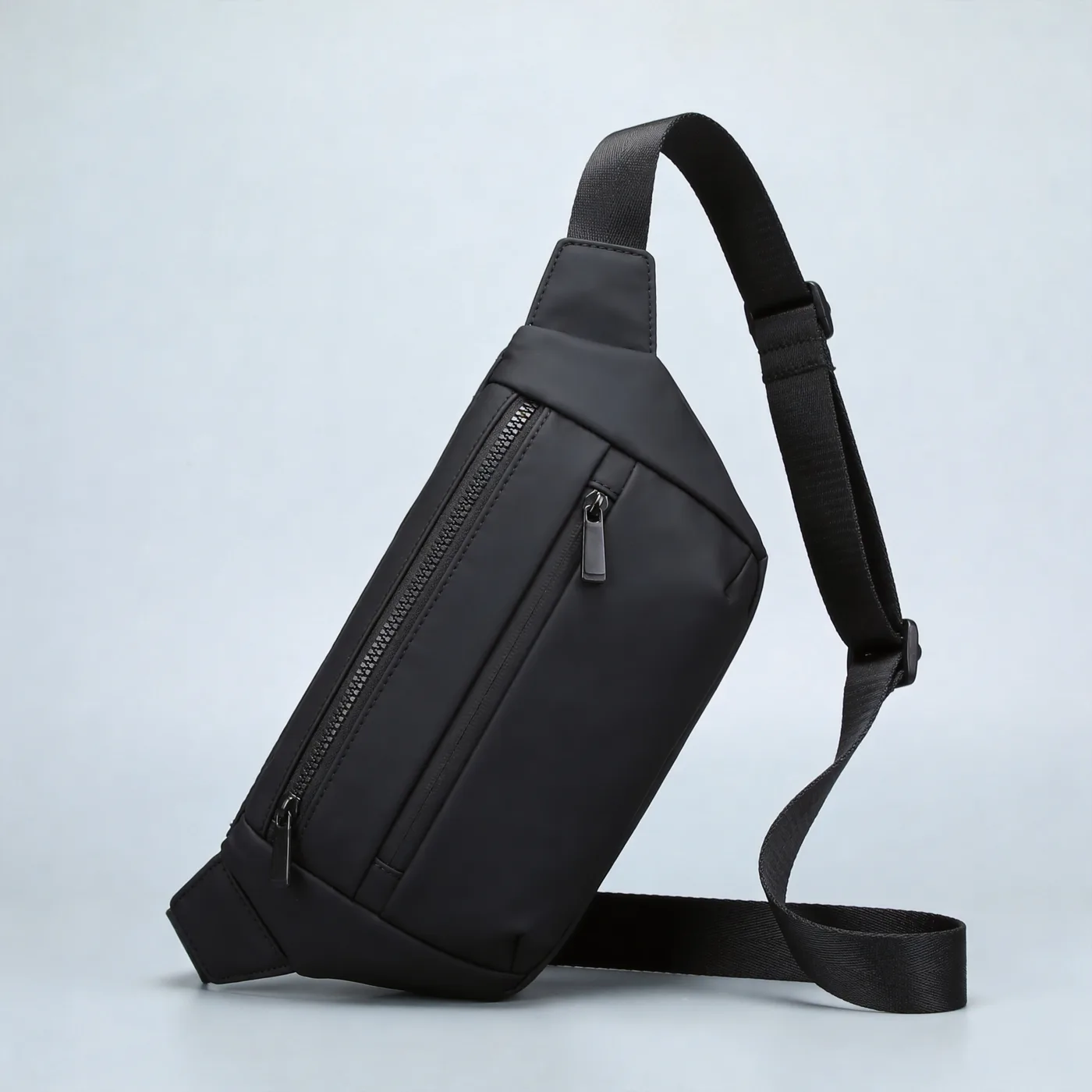
4. Designer vs. regular vs. OEM: where the value really lives
If you strip away the logo, a $600 designer crossbody and a $150 genuine-leather crossbody from a comparable OEM/ODM line can share the same hides, zippers and stitching. The difference is branding, distribution and markup — not a step-change in materials. That is not a criticism; brand, design and resale are real. It simply tells you what you are buying.
Our broader men’s crossbody guide covers the full “what to look for” checklist. The narrower question here is different: given identical construction, is the premium justified? The answer is typically yes for genuine full-grain leather and coated canvas, no for thin PU dressed up as design.
For context on how the wider range compares, see our women’s designer crossbody and leather crossbody selections, or the budget Coach and nylon crossbody lists.
5. Affordable alternatives that don’t feel cheap
You do not have to skip a crossbody if the designer price tag is too steep. Three routes get most of the function for a fraction of the spend:
- Quality nylon messenger ($25–60). Light, water-resistant, organiser pockets, durable. Best all-round value if you carry a laptop.
- Full-grain leather from smaller designers ($100–200). Many independent makers and regional brands sell genuine leather crossbodies at a fraction of the house-name markup.
- Custom / OEM crossbody. If you buy in bulk or launch your own label, an OEM/ODM manufacturer can build the same construction to your spec — material, hardware, lining and brand mark — without paying for an existing brand’s name.
The takeaway is simple: put your money into leather grade and construction, not just the logo, and you rarely need to overspend.
6. Is a designer crossbody worth it? A decision framework
Run any bag through these four questions before you pay:
- Is the material honest? Full-grain leather or coated canvas = strong yes. Thin PU = treat as disposable fashion.
- Does construction survive use? Even stitching, reinforced corners, smooth-zipping quality hardware and a padded, adjustable strap.
- What is the brand markup really buying you? Resale and identity (LV) are worth money. A generic logo on a thin shell is not.
- Could you get equal construction elsewhere for less? If yes — and brand does not matter to you — the OEM or smaller-brand route is the smarter spend.
If you land on “yes” to the first two and “no” to paying only for a label, a genuine-leather designer crossbody in the $150–300 band is the sweet spot. If brand and resale matter, the premium tier earns its place. If neither applies, buy the construction — not the name.
Planning a custom crossbody or messenger line?
Junyuan Bags is an OEM/ODM exporter founded in 2014 in Quanzhou, Fujian, led by a founder with bag-industry experience dating from 2004. Production runs through an SGS-verified affiliated factory (4,950 sqm, 7 lines, 149 machines, monthly capacity 200,000 pieces).
Request a quote or contact us to discuss materials, MOQ and branding for your own crossbody bag.
7. FAQ
- Are designer crossbody bags for men worth the money?
- A designer crossbody is worth it when you value genuine leather or coated-canvas construction, strong resale, and years of daily use. If you only need the logo, a mid-range or OEM-made bag at roughly 10–40% of the price delivers most of the function. A typical premium leather crossbody retails from about $150 to $2,000+, while a comparable private-label factory-made bag may cost a fraction of that.
- What is the difference between a designer crossbody and a regular crossbody bag?
- Designer crossbodies usually use a higher grade of leather, tighter stitching, branded hardware, and stricter QC. A regular crossbody at a similar size may use PU and lighter hardware. The maker is the differentiator: a full-grain leather crossbody from a reputable factory lasts longer and holds its shape better than a thin PU shell.
- Is genuine leather better than polyurethane (PU) or canvas for a crossbody bag?
- For durability, full-grain genuine leather wins because it develops a patina, resists tearing, and can be conditioned for a decade or more. PU is affordable and waterproof but can peel within 1–3 years of daily wear. Coated canvas is lightweight and very durable, but it is not leather. Choice depends on whether you prioritise longevity or price.
- Which designer brand makes the best men’s crossbody bag for the price?
- For quality per dollar, full-grain leather crossbodies from Coach and Fossil typically offer strong construction at roughly $100–300. Lacoste gives an entry designer look from about $50–120. Louis Vuitton suits buyers who want coated canvas, iconic branding and the highest resale value, usually above $1,500. The “best” depends on whether material or brand matters more to you.
- How can I tell an authentic designer crossbody from a counterfeit or knock-off?
- Check the material hand-feel (full-grain leather is dense and warm), the stitching spacing and lock-stitch consistency, the weight and engraving of zippers and hardware, and the authenticity card or serial code against the brand’s database. Counterfeits often use thin PU, crooked stitching, and lightweight metal that scratches easily.
- Can I buy a custom designer-style crossbody bag wholesale (OEM/ODM)?
- Yes. OEM/ODM factories can reproduce the construction and material quality of a designer crossbody under your own label — selecting nylon, PU, or full-grain leather, customising hardware, lining and dimensions — without the brand premium. As an example, an affiliated factory with a monthly line capacity of 200,000 pieces typically offers MOQs as low as a few hundred pieces for standard styles.
- How long should a good crossbody bag last?
- A full-grain leather crossbody, properly cared for, typically lasts 8–15 years. A coated-canvas luxury crossbody often lasts 5–10 years. PU bags usually last 1–3 years before the surface coating begins to peel. Buyer expectations should match the material grade they choose.
- What should I check before buying a men’s crossbody or messenger bag?
- Check the material grade (leather type or whether it is PU/coated canvas), the number and type of compartments and zipper quality, the adjustable and removable shoulder strap, the back-panel padding, and the weight when empty. Confirm whether it fits the tablet or laptop you intend to carry before you commit.
Disclaimer: prices shown are typical or approximate retail ranges sourced from public brand listings and are subject to change and regional duties. Specification details vary by model and season.