How to Choose a Bag Manufacturer for Your Crowdfunding Launch
Find a startup-friendly bag manufacturer: small-batch MOQs, 7–14 day prototypes, OEM vs ODM, verified certifications, tech packs, QC and scalable production.

View our latest articles and bag tips
Find a startup-friendly bag manufacturer: small-batch MOQs, 7–14 day prototypes, OEM vs ODM, verified certifications, tech packs, QC and scalable production.

Practical roadmap for creators to design, source, and deliver profitable, high-quality custom bags on Kickstarter.

Practical checklist for launching a successful crowdfunding bag: design, materials, comfort, sustainability, visuals, timelines, and community strategy.
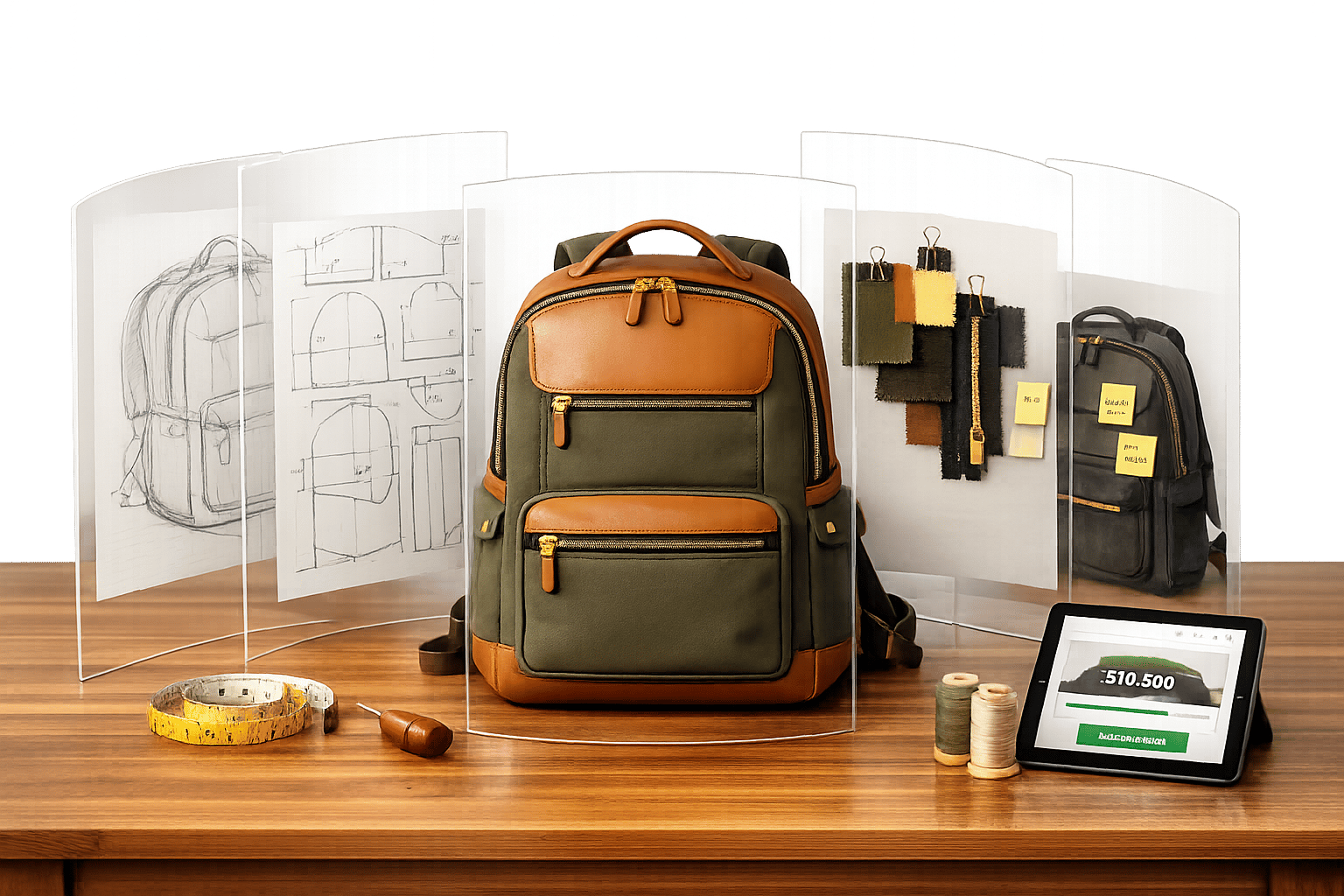
Practical step-by-step blueprint for designing, prototyping, manufacturing, and launching a Kickstarter bag campaign that backers trust.

Four briefcases that balance leather or technical materials, laptop protection, expandable storage and travel-ready features for busy professionals.

Retro leather handbags blend full-grain materials and handcrafted details for lasting style, resale value, and easy care.

Durable, ergonomic waterproof backpacks for students with laptop sleeves, roll-top expansion, USB ports, anti-theft zippers and bulk customization options.

How to style minimalist crossbody bags for casual, formal, and athleisure looks—choose materials, colors, and straps for 2026’s versatile trends.

Lightweight, durable canvas totes with padded laptop sleeves, water-repellent finishes and smart pockets—eco-friendly, versatile choices for daily commutes.

Recycled, plant-based and vegan-leather materials are shaping durable, repairable travel bags while cutting waste and CO2 emissions.

 Empresa
  Móvil/What's App/Wechat
 Correo electrónico
 AÑADE
AÑADE


 2025 QUANZHOU JUNYUAN BAGS All Rights Reserved